OpenAI's new GPT-5.6 Sol model sparks debate on AI safety and release strategies, while Wall Street expresses growing skepticism over the long-term economics of frontier AI models. The discussion also touches on AI's impact on the FIFA World Cup and a thought-provoking paper comparing LLM anthropomorphism to Age of Empires II "goats."
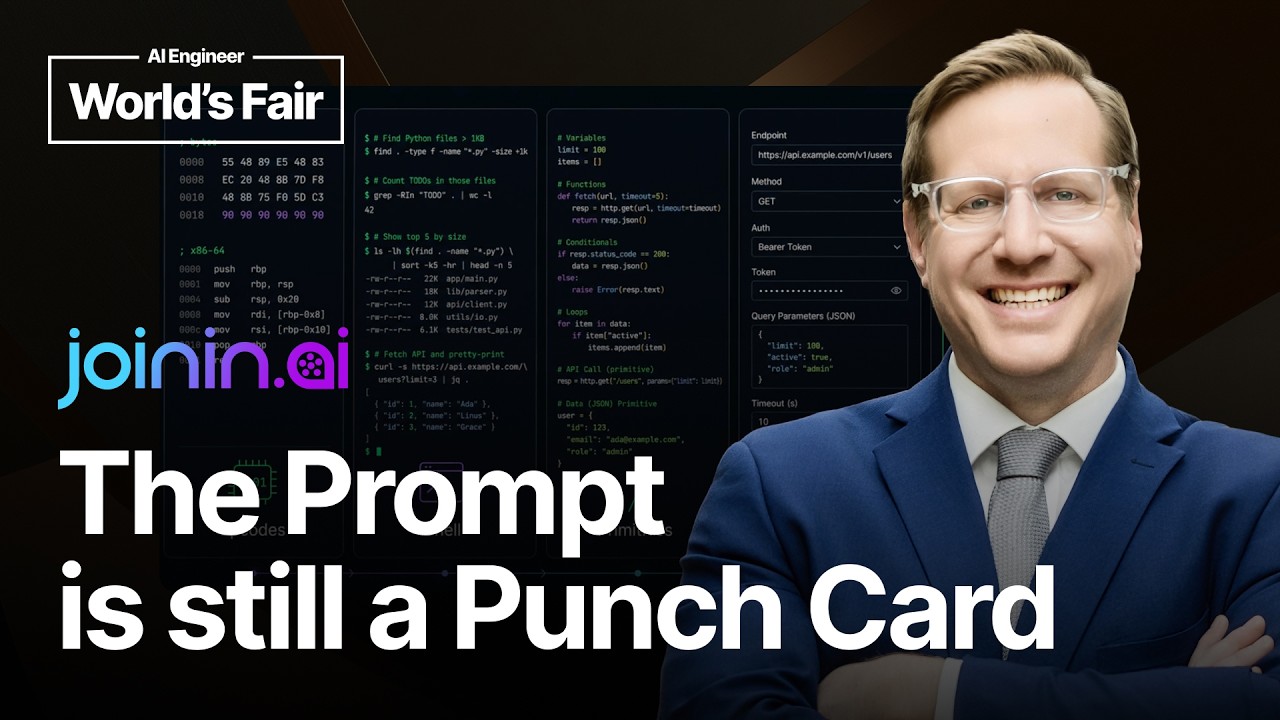
The Prompt Is Still a Punch Card - Ted Johnson, JoinIn AI
Ted Johnson argues that current AI interfaces, particularly prompting, operate on an outdated "batch processing" protocol akin to punch cards. Despite advanced LLM capabilities, this interface design forces humans to adapt to machines, hindering natural interaction. He advocates for a shift towards human-compatible interfaces where AI actively participates in real-time conversation, leveraging its intelligence to remove user burdens and amplify human potential.
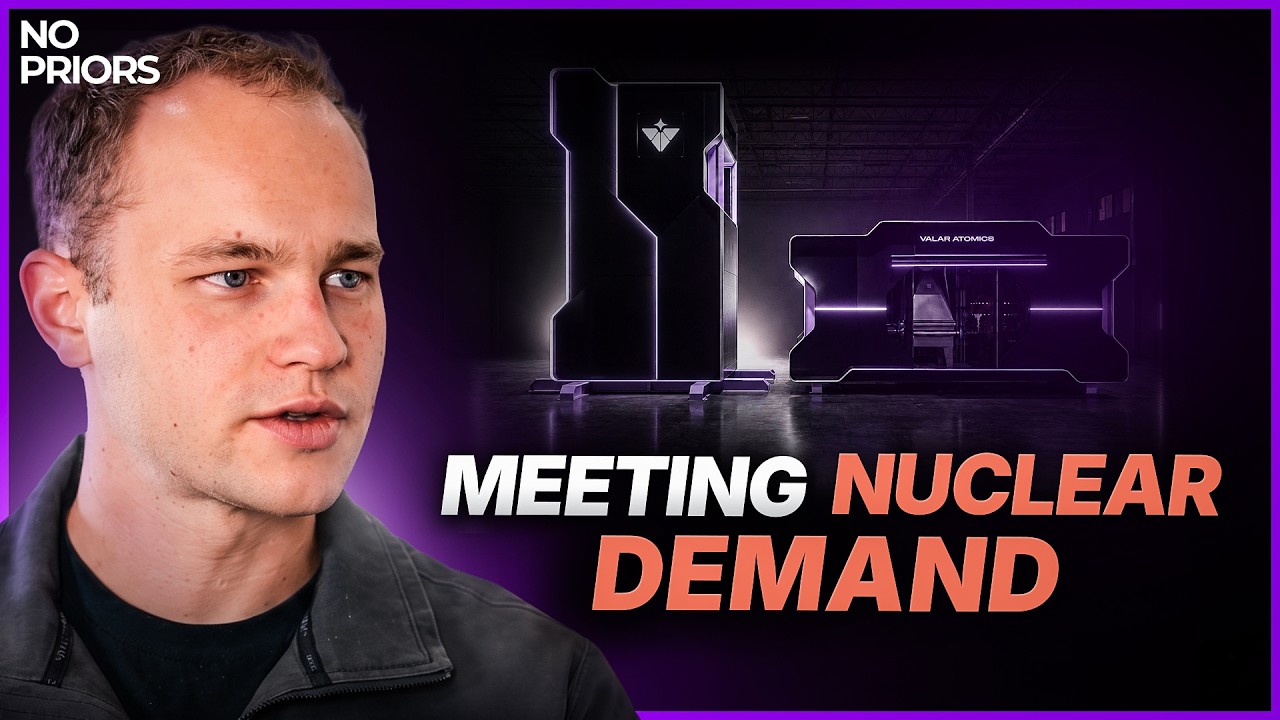
How Nuclear Will Unlock Energy Abundance with Valar Atomics Founder Isaiah Taylor
Valar Atomics founder Isaiah Taylor discusses how his company is rapidly advancing nuclear energy through hardware iteration, manufacturing, and a unique regulatory pathway. He explains their intrinsic safety philosophy, the strategic importance of vertical integration for speed and cost reduction, and their venture-backed approach to building gigasites. Taylor highlights how the demand for AI compute is a major driver for nuclear, showcasing their direct powering of an NVIDIA Blackwell chip, and casts a compelling vision for a future of "hyper-technoindustrialism" enabled by abundant, cheap atomic energy.
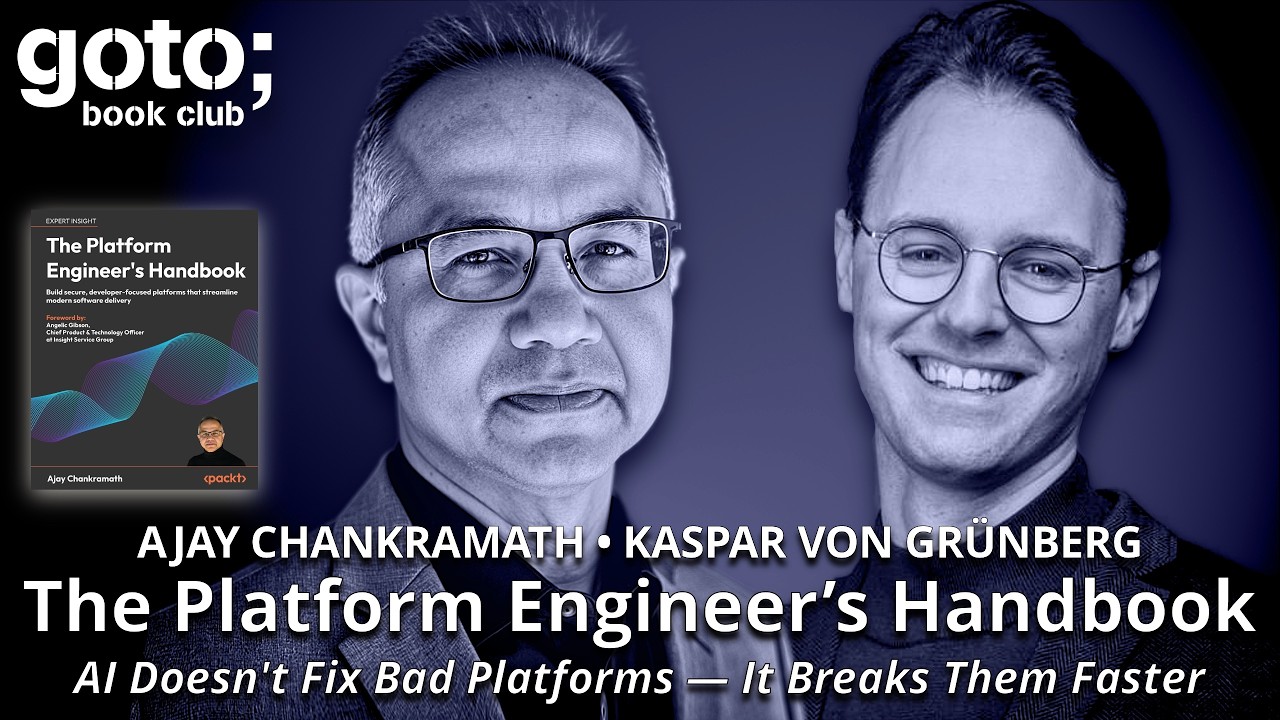
The Platform Engineer’s Handbook • Ajay Chankramath & Kaspar von Grünberg • GOTO 2026
This conversation with Ajay Chankramath, author of 'The Platform Engineer’s Handbook,' delves into why practical, code-first guidance is essential for building Internal Developer Platforms. He argues that developer adoption failures stem from a "product discipline gap," not a technology one, emphasizing developer experience as a first-class outcome. The discussion covers the book's arc from foundations to enterprise-grade features and its focus on 100% open-source, vendor-agnostic tooling. Crucially, it highlights how agentic AI raises the stakes for platform engineering, requiring new IDP layers for agent context, memory, and guardrails, asserting that these must be built, owned, and operated internally for safe and productive AI adoption.
Ex-Google Cloud AI Boss: Your Data Is the Real Moat
Andrew Moore, CEO of Lovelace AI, discusses YottaGraph, a rapidly growing, automatically constructed knowledge graph designed as a context engine for enterprise AI agents. He highlights Lovelace's differentiation from public knowledge graphs by focusing on integrating private enterprise data, the engineering challenges of entity resolution and fast multi-hop reasoning, and the critical importance of graph amendability and auditability for mission-critical applications. Moore also touches upon the future of computer science education, advocating for product management skills and emphasizing the strategic importance of domestically developed open-weights models.
The Benchmark With No Instructions — Tufa Labs (ARC-AGI-3)
Tim Scarfe visits Tufa Labs to explore their top-ranking ARC-AGI-3 system, a benchmark for agentic intelligence that challenges LLMs in goal discovery and action efficiency. The team delves into the complexities of fractured representations, the role of human priors, and whether LLMs truly plan or merely simulate it effectively, all while balancing the bitter lesson with AI safety concerns.