Posts

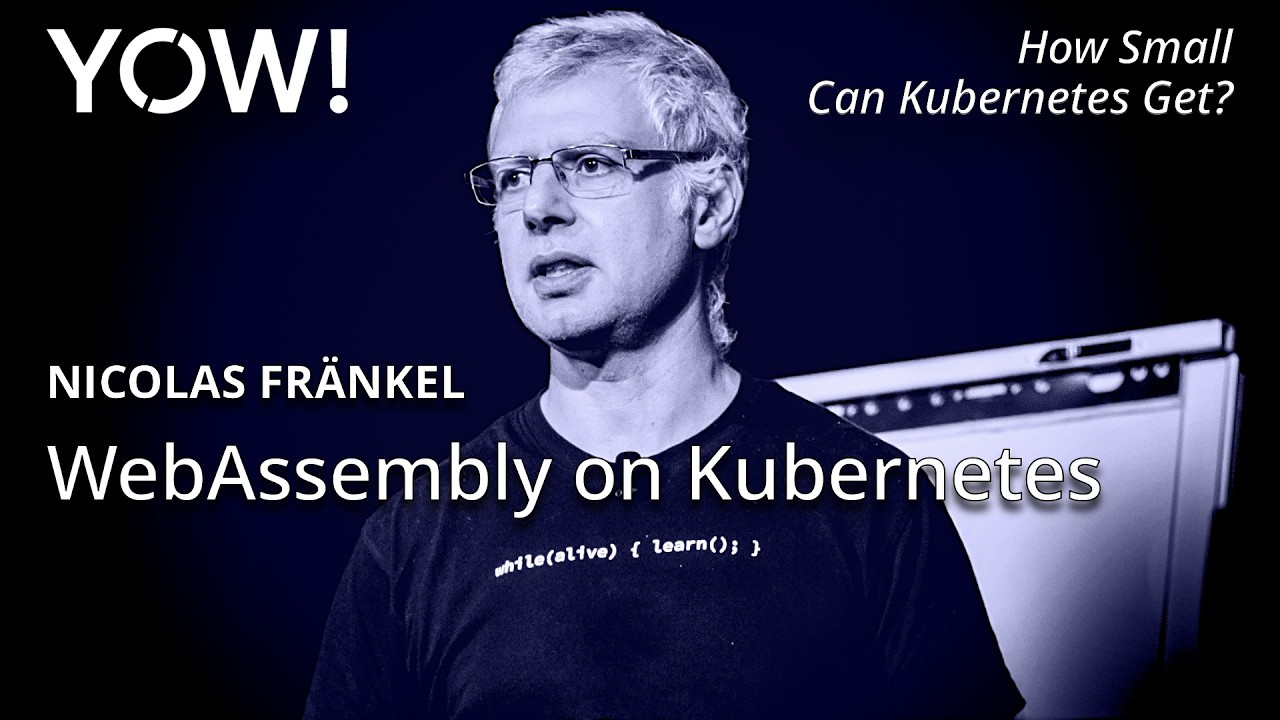
WebAssembly on Kubernetes • Nicolas Frankel • YOW! 2025

WebAssembly on Kubernetes • Nicolas Frankel • YOW! 2025

Nicolas Fränkel explores the evolution of WebAssembly (Wasm) beyond its web origins, showcasing its potential to revolutionize application deployment on Kubernetes. The talk demonstrates how Wasm enables incredibly small container sizes (down to 2MB for an HTTP server) by integrating specific Wasm runtimes with Kubernetes' extensible architecture. However, Fränkel also provides a candid assessment of the ecosystem's rapid, often unstable, development, recommending Wasm on Kubernetes for agile startups seeking competitive advantage but cautioning traditional enterprises due to the inherent risks and maintenance challenges.

Is Fine-Tuning Still Needed? LLMs, RAG, & LoRA

Is Fine-Tuning Still Needed? LLMs, RAG, & LoRA

This summary explores the evolving role of fine-tuning in modern AI workflows, comparing it with advanced techniques like RAG, LoRA, and enhanced generative AI capabilities. It discusses the historical benefits, current limitations due to rapidly advancing frontier models, and outlines a practical decision framework for customizing machine learning models and designing efficient AI systems.

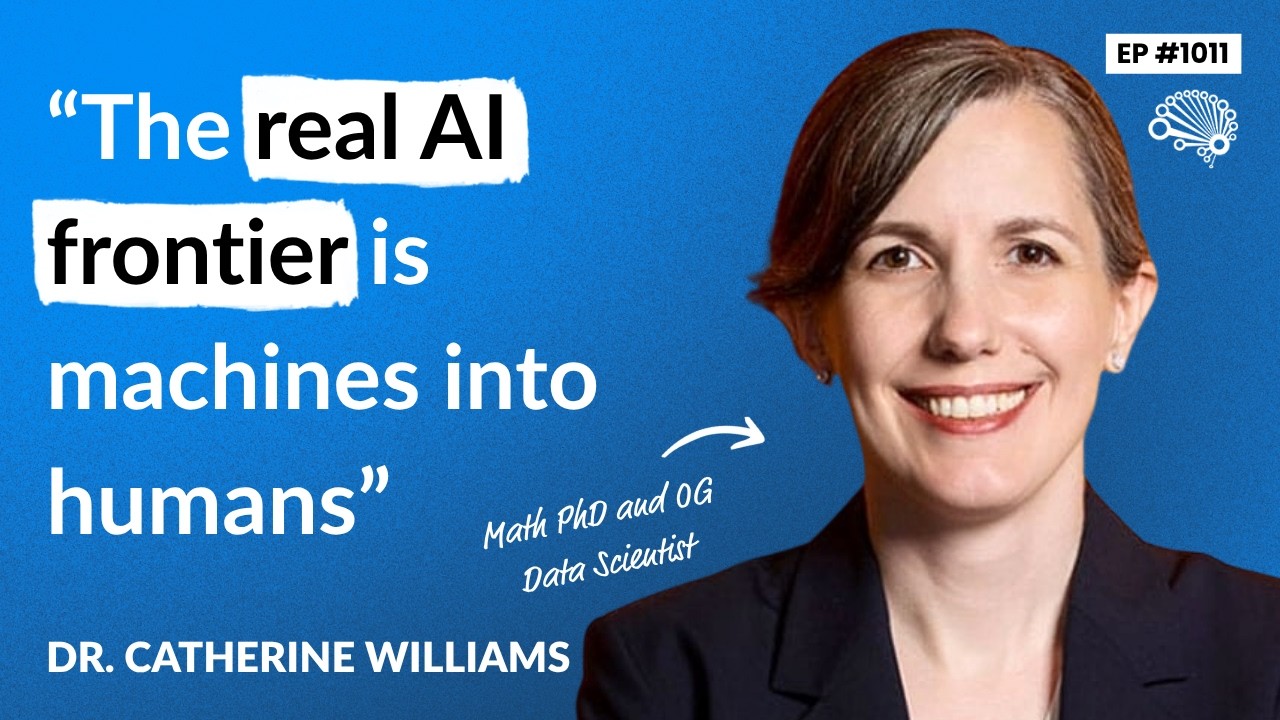
The Real AI Frontier Isn't Smarter Machines (with Catherine Williams)

The Real AI Frontier Isn't Smarter Machines (with Catherine Williams)

Dr. Catherine Williams, a former black-hole physicist and early data science leader, explores the field's evolution from Bayesian models to LLMs. She passionately argues that deep mathematical understanding and the ability to build robust mental models are more crucial than ever, even as AI automates technical tasks. Williams also discusses the impact of embeddings, the changing economics of frontier AI, and her work at the nonprofit Candid, advocating for a human-centric approach to intelligence in the age of AI.

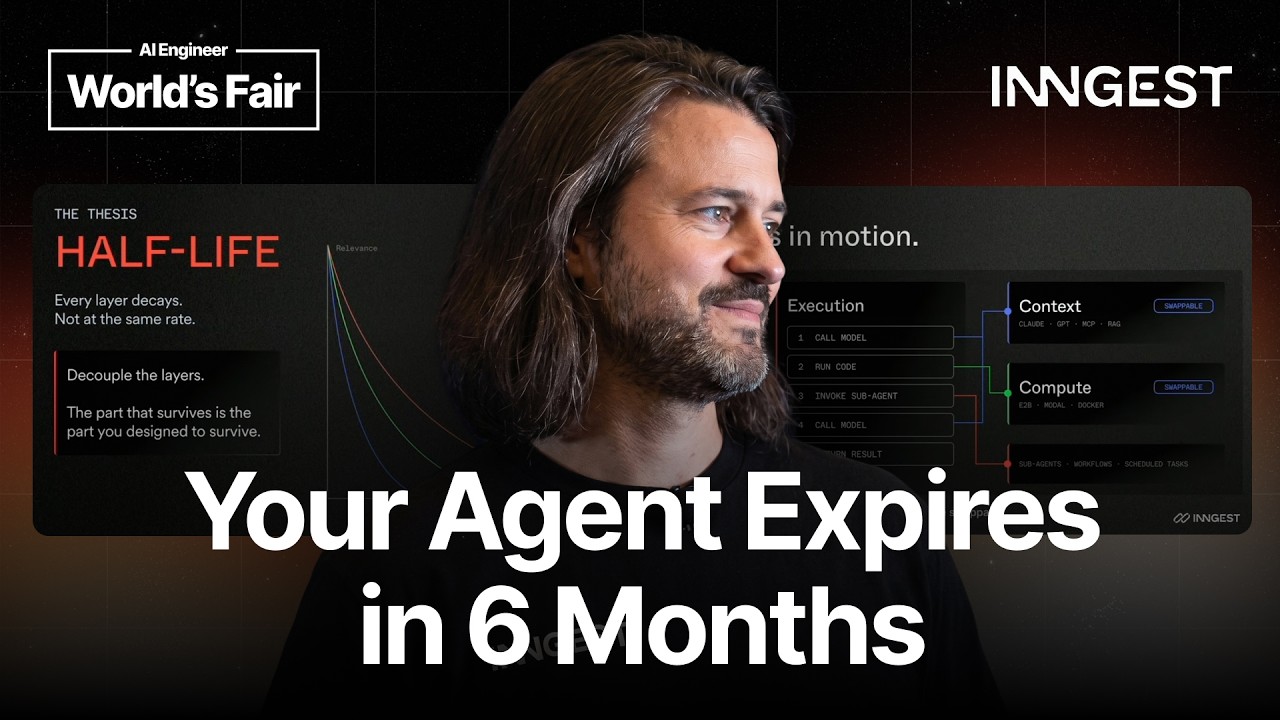
Your agent architecture has a half-life of 6 months — Dan Farrelly, CTO, Inngest

Your agent architecture has a half-life of 6 months — Dan Farrelly, CTO, Inngest

Dan Farrelly, CTO of Inngest, addresses the rapid obsolescence of AI agent architectures (a 6-month half-life) caused by fast-evolving models and frameworks. He proposes a solution: decouple agent systems into three conceptual layers (Execution, Context, Compute) and prioritize a stable, durable Execution Layer. This 'brain' layer, responsible for flow, state, and retries, offers resumability, flexible invocation patterns, and comprehensive observability, allowing the 'knowledge' and 'hands' layers to change frequently without necessitating full architectural rewrites.

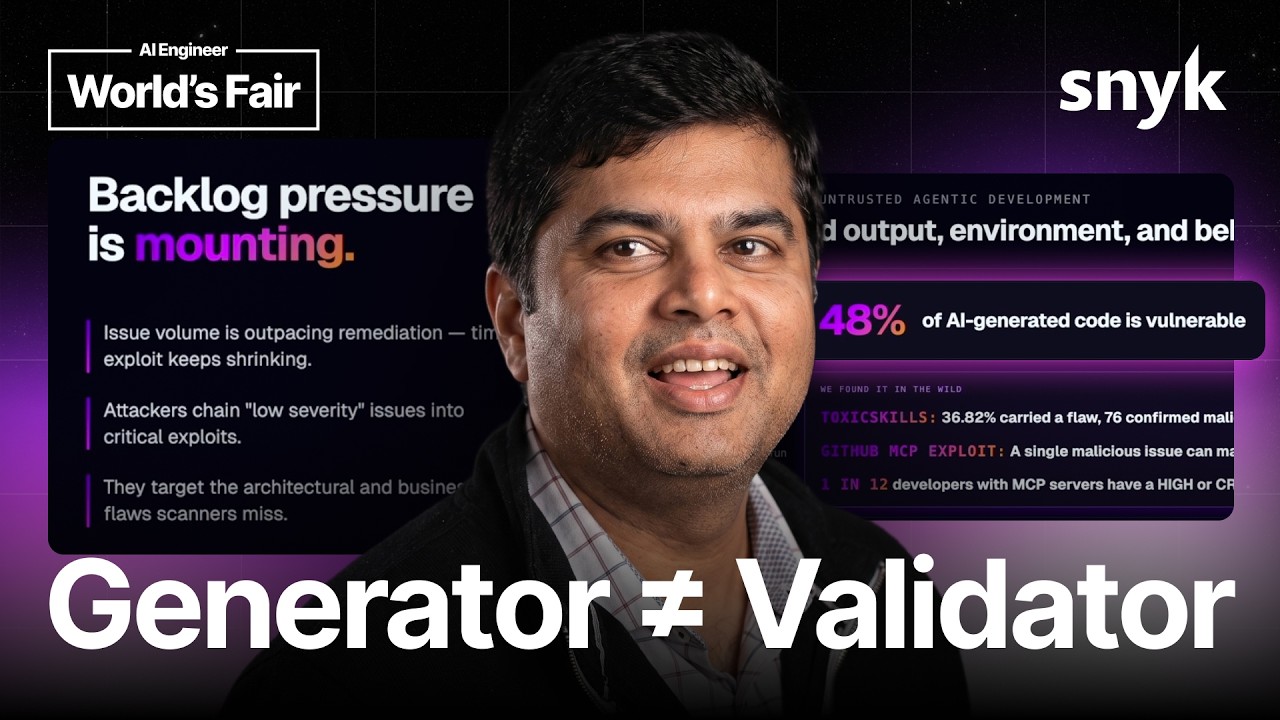
Through the AI Fog: The Architectural Decision Agentic Security Depends On — Manoj Nair, Snyk

Through the AI Fog: The Architectural Decision Agentic Security Depends On — Manoj Nair, Snyk

Manoj Nair of Snyk reveals alarming data on AI-driven security risks, emphasizing that generative AI and validation systems cannot be the same. He highlights issues like autonomous attacks, rampant vulnerabilities in AI-generated code and skills, and PII leakage. Snyk's solution, Evo, integrates deterministic prevention and remediation to secure the agentic development lifecycle.

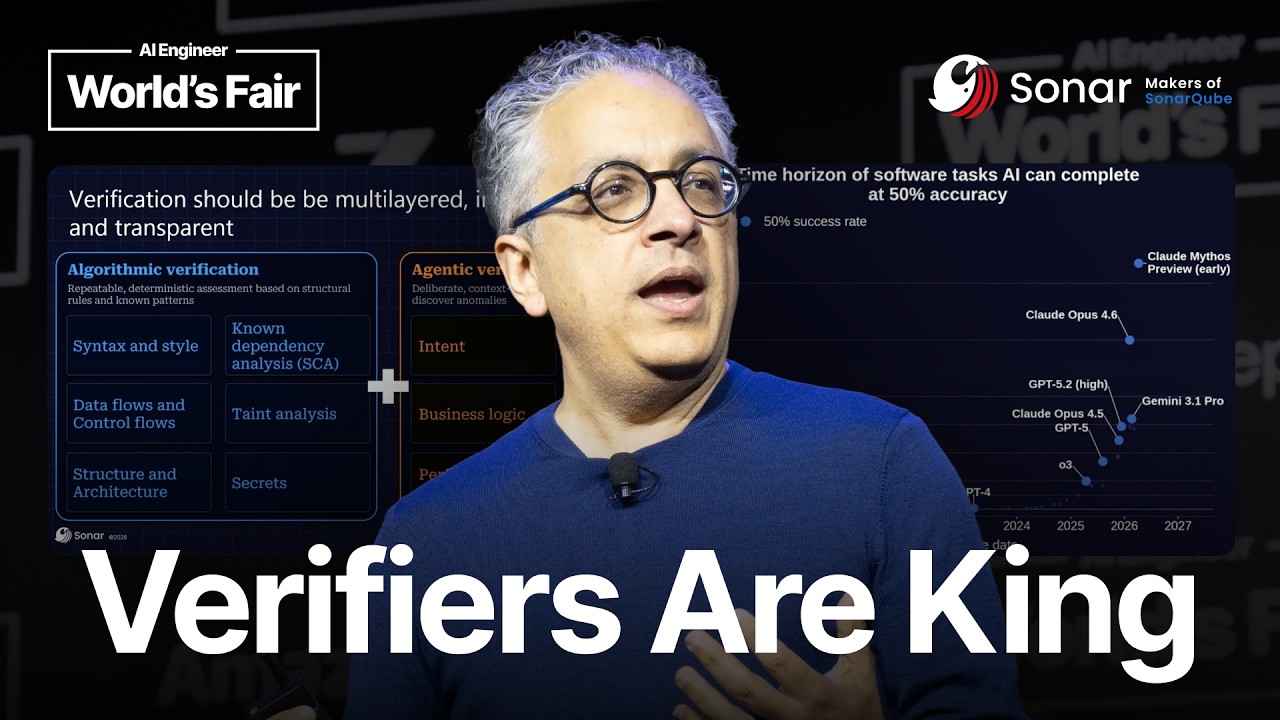
In the Land of AI Agents, the Verifiers Are King — Tariq Shaukat, Sonar

In the Land of AI Agents, the Verifiers Are King — Tariq Shaukat, Sonar

This talk addresses the critical challenge of verification in AI agent development, moving beyond generation to ensure correctness. It highlights the problem of "AI slop" and the "productivity paradox" of AI coding agents, where initial velocity gains are offset by increased technical debt and quality issues. The speaker introduces the AC/DC (Agent-Centric Development Cycle) framework comprising three stages: Guide (providing context and constraints), Verify (zero-trust, multi-layered verification using both algorithmic and agentic methods), and Solve (active code maintenance to control technical debt). This systems-level approach, integrating verification across agentic, CI, and code maintenance loops, significantly reduces issues and transforms AI into a reliable enterprise asset.