Posts

7 AI Terms You Need to Know: Agents, RAG, ASI & More

7 AI Terms You Need to Know: Agents, RAG, ASI & More

A deep dive into seven essential AI concepts shaping the future of intelligent systems, including Agentic AI, RAG, Mixture of Experts (MoE), and the theoretical frontier of Artificial Superintelligence (ASI).
GPT-OSS vs. Qwen vs. Deepseek: Comparing Open Source LLM Architectures

GPT-OSS vs. Qwen vs. Deepseek: Comparing Open Source LLM Architectures

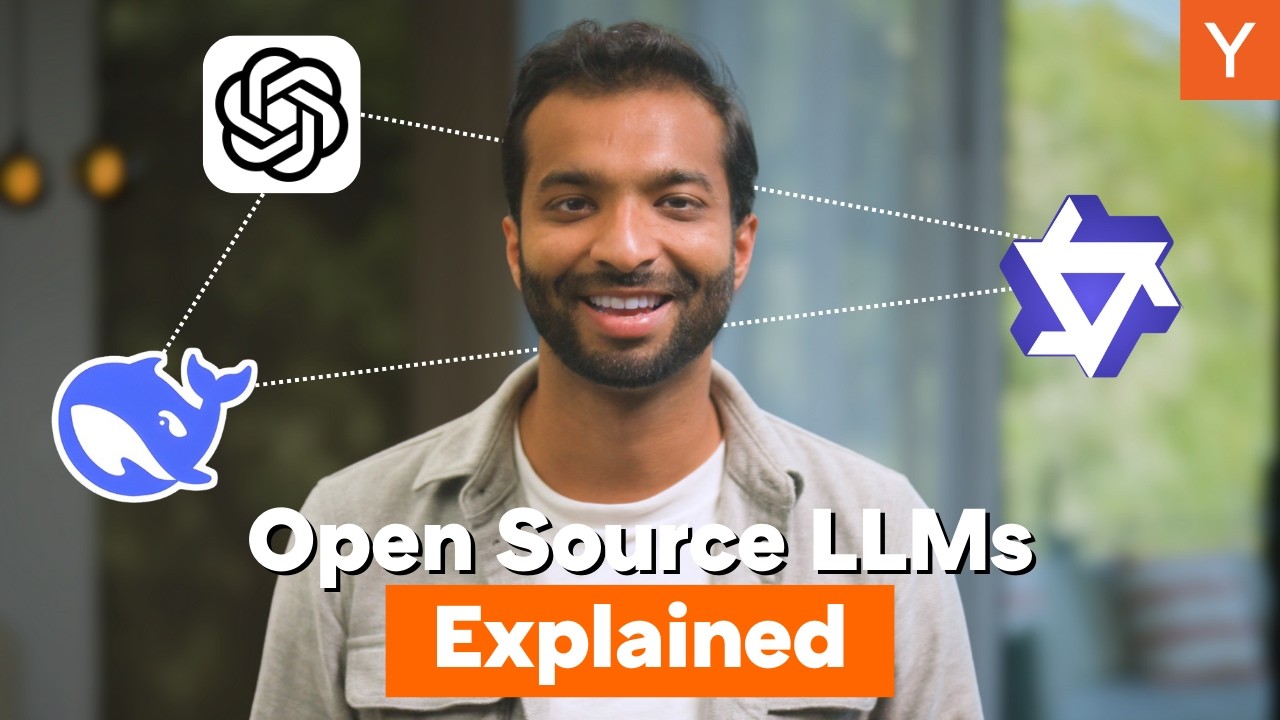
A technical breakdown and comparison of the architectures, training methodologies, and post-training techniques of three leading open-source models: OpenAI's GPT-OSS, Alibaba's Qwen-3, and DeepSeek V3. The summary explores their different approaches to Mixture-of-Experts, long-context, and attention mechanisms.

Monster prompt, OpenAI’s business play, nano-banana and US Open experimentations

Monster prompt, OpenAI’s business play, nano-banana and US Open experimentations

The panel discusses KPMG's 100-page prompt for its TaxBot, debating the future of prompt engineering versus fine-tuning. They also analyze OpenAI's potential move into selling cloud infrastructure, the impressive capabilities of Google's new image model, Nano-Banana, and new AI-powered fan experiences at the US Open.

Six Years of Rowhammer: Breakthroughs and Future Directions

Six Years of Rowhammer: Breakthroughs and Future Directions

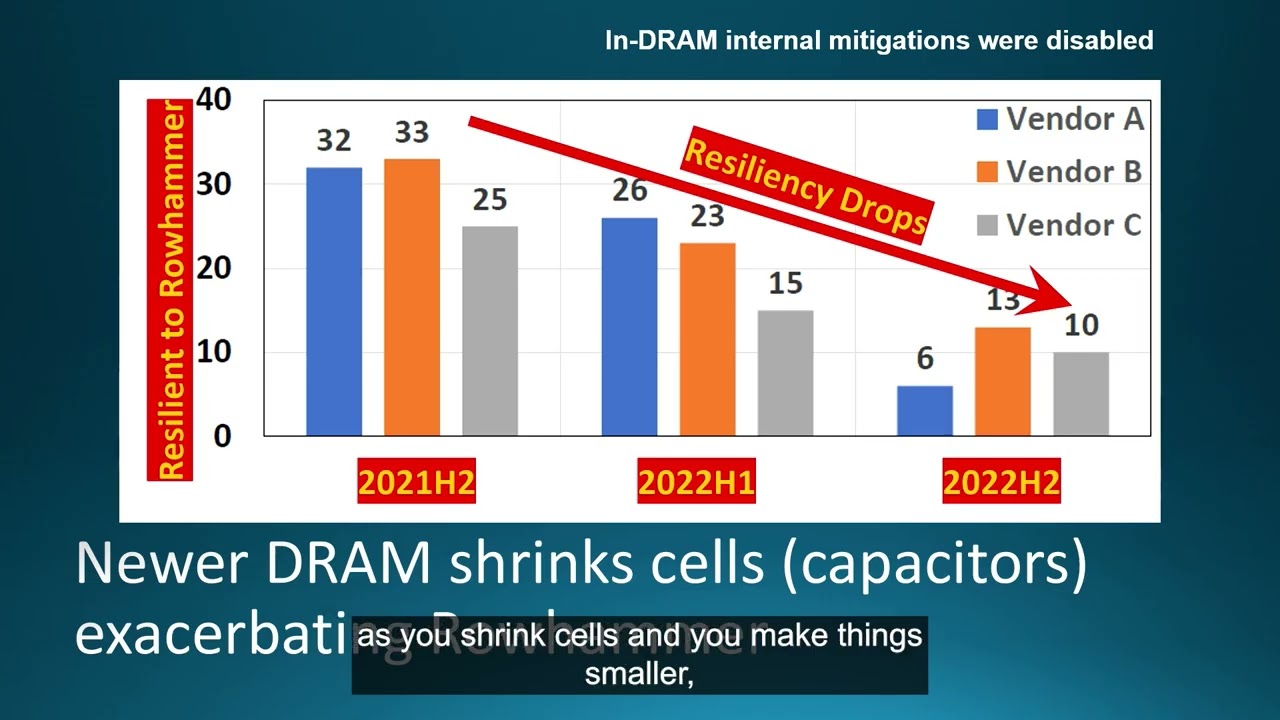
Stefan Saroiu from Microsoft Research details Project STEMA's six-year journey tackling the DRAM security flaw, Rowhammer. He discusses how academic research kept the industry honest about DDR4 vulnerabilities, the development of their in-DRAM defense, Panopticon, and its evolution into the industry standard PRAC for DDR5, while highlighting that significant challenges and research opportunities remain.

Introducing gpt-realtime in the API

Introducing gpt-realtime in the API

An overview of the new GPT-realtime speech-to-speech model and the general availability of the Real-Time API, detailing its architecture, advanced capabilities like image input and multilingualism, training methodology, and new enterprise-ready features.

Intelligence Isn't What You Think

Intelligence Isn't What You Think

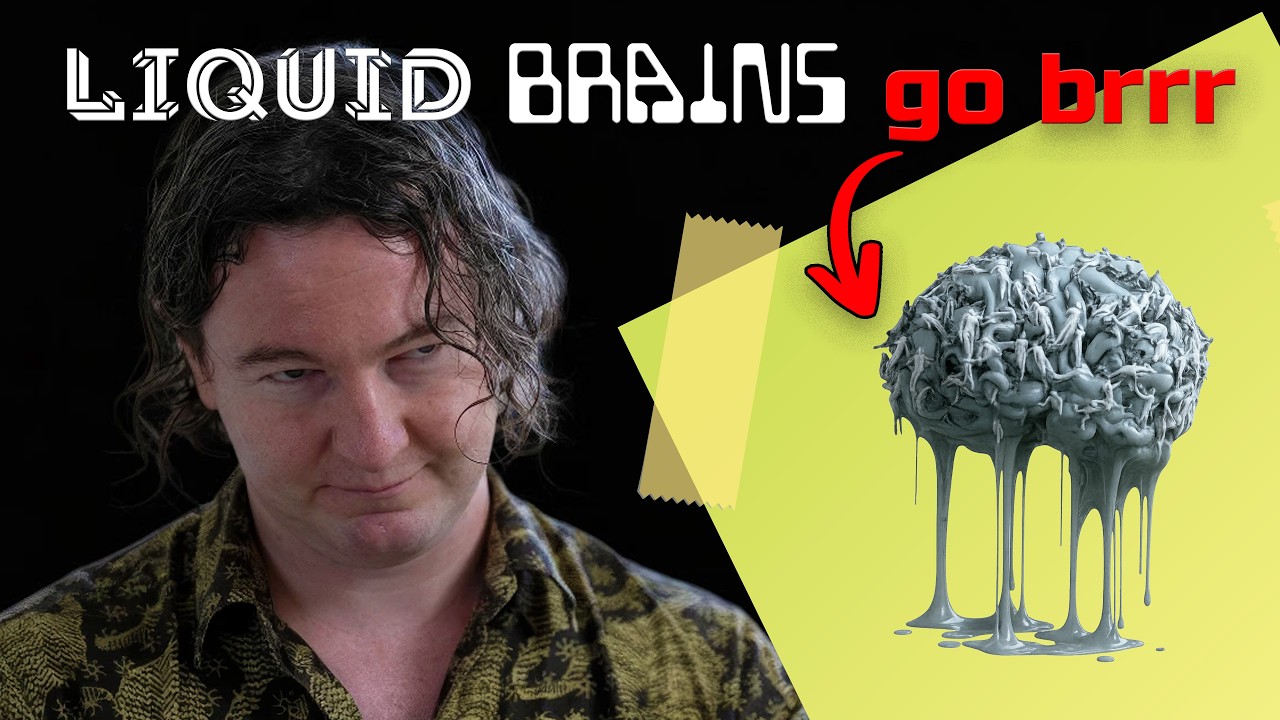
Dr. Michael Timothy Bennett challenges conventional AI paradigms, arguing for a new approach inspired by the principles of living systems. He critiques the separation of software and hardware ("computational dualism"), redefines intelligence as efficient adaptation, and offers a novel theory of consciousness as a "tapestry of valence" essential for genuine intelligence.