The ERP for the AI Revolution is here
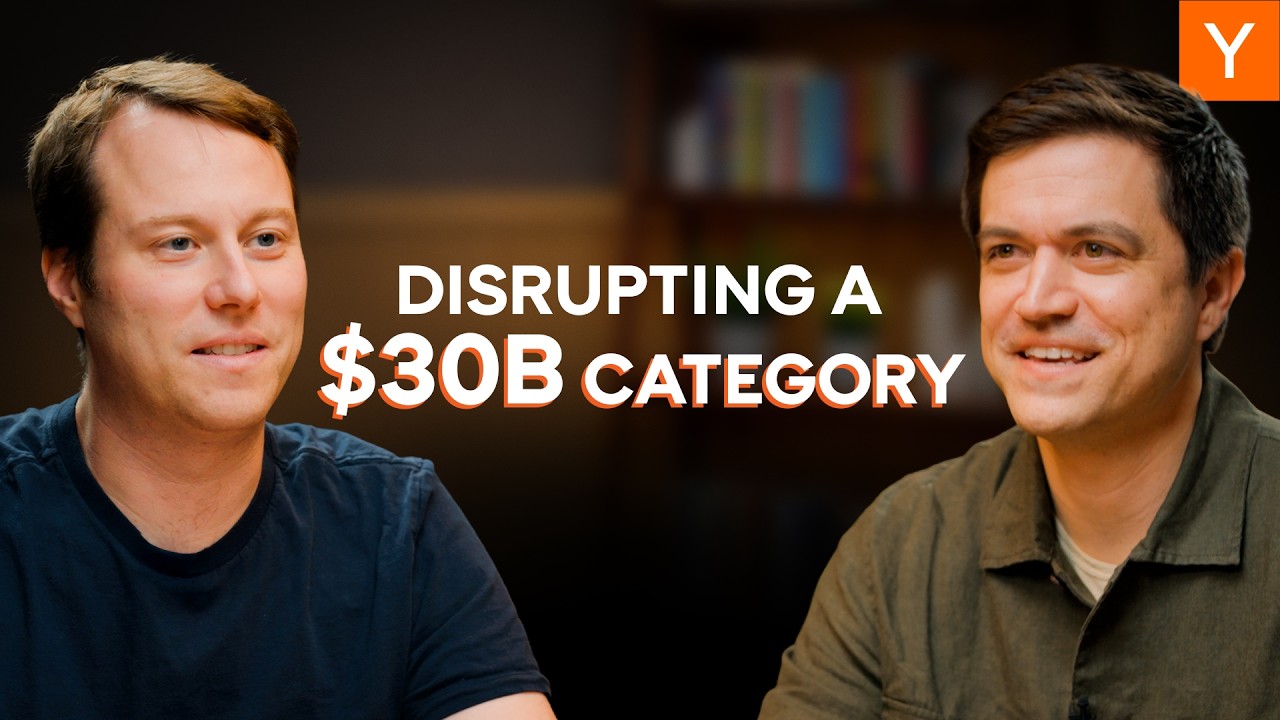
John Glasgow, founder of AI-native ERP Campfire, discusses his journey from a Google Sheets MVP to displacing NetSuite. He covers the importance of founder-led sales to $1M ARR, using a narrow feature set as a wedge into the market, and how the rise of AI flipped the script on what constitutes a "safe" enterprise software choice.
The Catalyst for a Modern ERP
The initial thesis for Campfire stemmed from a glaring gap in the finance tech stack. While tools for payroll, spend management, and accounts payable had been modernized over the last decade, the core ERP and general ledger remained antiquated. This created an acute contrast for finance professionals, making them realize that their core accounting software didn’t have to be cumbersome. This realization created a market pull for a modern, user-friendly, and scalable ERP.
Initially, investors constantly asked, “Why now?” The answer evolved. The first catalyst was the modernization of the surrounding ecosystem. However, the rise of mainstream AI created a fundamental shift in the enterprise buying narrative.
- Before AI: Buying from a legacy incumbent like NetSuite was considered the “safe” choice.
- After AI: The board and executives began demanding AI-native solutions. “Safe” was redefined. The risk shifted to not adopting AI-native infrastructure. This gave finance teams the “air cover” to choose a newer, more innovative solution like Campfire, even if their auditors weren’t yet familiar with it.
From Google Sheets to Displacing NetSuite
Campfire’s journey began with a scrappy, pragmatic approach aligned with the YC mantra of shipping quickly and getting paying customers.
- The MVP: The first version of the product was built in Google Sheets, with Brex and Mercury feeds in one tab and a series of formulas in another. This spreadsheet was then i-framed into a browser and sold to the first paying customers less than a month after starting YC.
- Initial Go-to-Market: The strategy was to target tech companies that had outgrown QuickBooks but weren’t ready for the complexity of NetSuite. The team focused on a very narrow set of features that acted as forcing functions for this transition, such as:
- Approval Workflows: A critical feature for audit and control that QuickBooks lacks.
- Multi-entity Accounting: Increasingly necessary as tech and AI companies establish global operations early on.
By focusing on being the best at these specific, high-pain-point features, Campfire created a powerful wedge. This narrow focus was so effective that within nine months, they weren’t just catching companies in the middle—they were actively pulling customers directly off of NetSuite. These customers were often frustrated with the outdated interfaces and challenging APIs of the incumbents and were willing to switch for a solution that did a few critical things exceptionally well.
The Power of Founder-Led Sales and Product Velocity
John Glasgow attributes much of Campfire’s early success to staying deeply connected to the customer. He handled all sales himself until the company reached the classic Series A milestone of $1 million in ARR. This direct involvement was crucial for navigating the “micro-pivots” on features and functionality needed to achieve product-market fit. His advice to other founders, even in the AI era, is to resist the urge to offload sales to an agent or AE too early.
This customer-centricity, combined with a relentless development pace, became a key competitive advantage.
“We quickly hear that folks say like your product velocity is so high… we feel you’re going to be able to scale with us.”
This speed gave prospective customers the confidence to make a bet on Campfire, even when it was a small seed-stage startup. One CFO of a company with $300 million in annual revenue described their decision to switch as making a “venture investment” in Campfire, stating, “I’m literally getting fired if you shut down.” The ability to demonstrate rapid, continuous shipping was essential to earning that trust.
Building an AI-Native Differentiator
As the company scaled, its AI capabilities became a primary reason customers chose Campfire. The platform is built on a custom foundation model and agent platform, which allows it to automate manual accounting and financial reporting tasks, freeing up finance teams to focus on more strategic work. This technical advantage, combined with a product that can support companies through to an IPO, has solidified Campfire’s position in the market. To date, no customer has outgrown the platform.
Reflections on the Founder’s Journey
Looking back, John emphasizes the importance of conviction and enjoying the process. The company hit an inflection point in Q4 2024, after which it more than doubled ARR every quarter. However, the journey to that point required nearly a year of grinding after the YC batch ended, a period he describes as “wandering in the wilderness.” It was tempting to pivot, but having deep conviction in the mission was critical to pushing through.
He also notes that the stress of being a founder evolves and grows with the company.
“People ask me now like are you more stressed now or then? It is more stressful now… the bags get heavier.”
His advice is to enjoy the purity and simplicity of the early days, even with all the mental anguish, because the journey goes fast.