Ben Horowitz on How a16z Was Built
Ben Horowitz, cofounder of a16z, discusses the firm's unique product-first philosophy, the evolution of its organizational structure to specialize in areas like AI and crypto, and the critical challenges posed by the current anti-innovation regulatory environment.
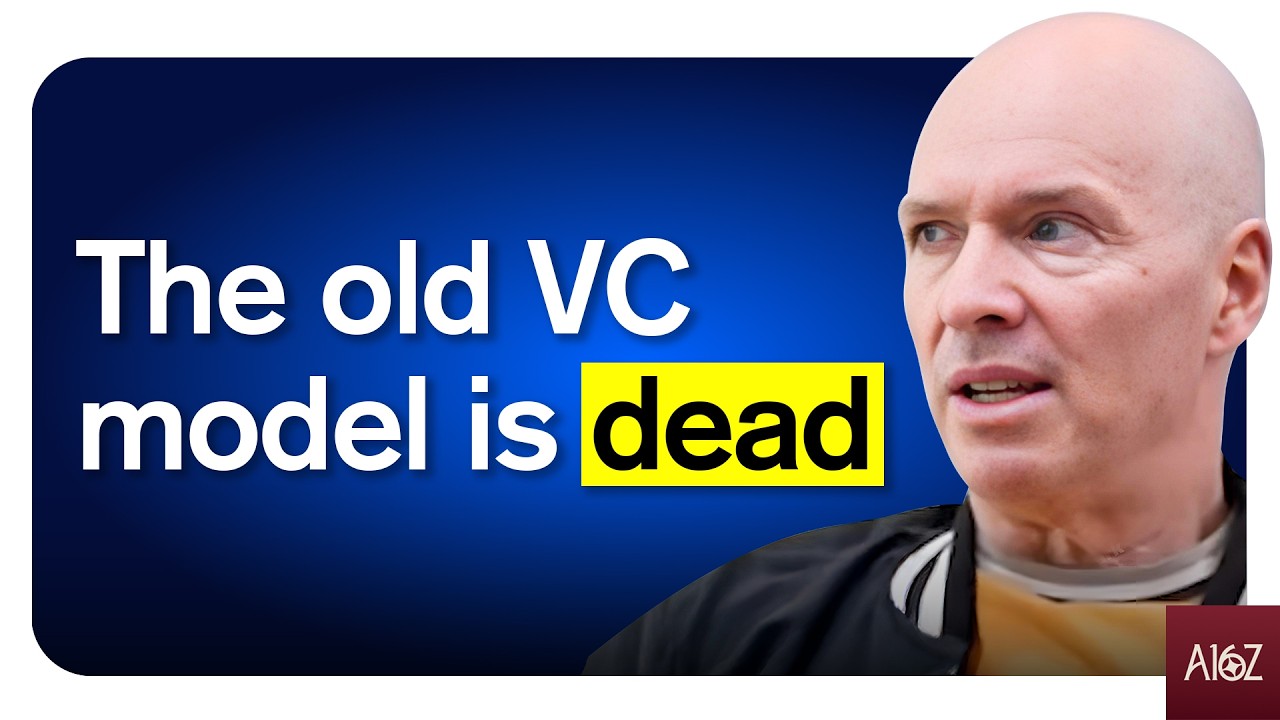
Ben Horowitz, co-founder of Andreessen Horowitz (a16z), explains that the key to building a multi-generational venture firm lies in a combination of a lasting culture and adaptable leadership. Unlike traditional firms, a16z was founded on the belief that “software is eating the world,” anticipating a 100-fold growth in the industry. This foresight shaped their strategy to build a larger, more structured organization designed to scale and evolve.
A Product-First Approach to Venture Capital
Horowitz distinguishes a16z from other firms by describing it as “a product first and then a team of investors second.” The firm’s primary focus is on the “product” it offers to entrepreneurs—a comprehensive support system designed to help them build enduring companies. This mission-driven approach informs every aspect of the firm, from its organizational structure to its compensation.
Our mission isn’t to maximize the number of money per partner. Our mission is to kind of be the resource for building great technology companies.
This philosophy dictates how they operate, such as their commitment to supporting founders “till the bitter end,” even when a spreadsheet-based analysis would suggest focusing only on the winners. This builds the firm’s reputation, which Horowitz considers their most critical competitive advantage. He sees Y Combinator as a “spiritual analog” because it also leads with a distinct product for founders.
Firm Structure and the Future of VC
To maintain agility while scaling, a16z adopted a structure of shared economics but centralized control. This allows the leadership to make necessary organizational changes without “politicking,” which is crucial for adapting the firm’s structure as it grows from 50 to 500 people.
As the market has grown, a16z has evolved into a collection of specialized, vertical-specific teams (e.g., crypto, AI, bio, games), each with its own dedicated platform and investing team. Horowitz believes this is the future of venture capital.
- Competition: a16z’s real competitors are not other generalist firms but the top-tier, pure-play specialist firms in each vertical (e.g., a pure crypto fund).
- Fund Size: The firm justifies its larger fund sizes by pointing to market growth. If the number of major opportunities grew from 15 to 150 companies, a $400 million fund might need to become a $4 billion fund to execute the same strategy.
- VCs Going Public: Horowitz is skeptical about venture firms going public due to a fundamental misalignment. Public markets value private equity firms based on their fee stream, which incentivizes asset gathering. In venture, where there is “more capital than great ideas,” this incentive could lead to market distortions, as seen with SoftBank and Tiger Global.
Navigating Technological Waves: AI and Crypto
Horowitz emphasizes betting on significant software breakthroughs, viewing software as a “creative art form” with a vast design space.
Artificial Intelligence (AI)
He describes the current AI wave as a paradigm shift to “non-deterministic computing,” which opens up a vast landscape of previously unsolvable problems. This has profound implications for the firm:
- New Founder Profile: Many AI founders are researchers, not traditional engineers, requiring a different kind of support.
- Open Source Advocacy: Horowitz argues strongly against attempts to ban open-source AI. He believes concentrating such a powerful technology in the hands of a few companies would be “horrible and dangerous.” Citing the history of nuclear weapons, he argues that broad distribution, like open source, promotes safety and prevents misuse.
The last thing you want is it in the hands of one person or one company… I often remind people like the last nuclear bomb that was launched was when only we had the nukes.
Crypto and Web3
Horowitz views crypto as a much younger technology than AI, facing two primary hurdles:
- Technical Maturity: The underlying infrastructure needs significant performance and usability improvements, which he believes are on the horizon.
- Regulatory Clarity: The “casino aspect” of crypto requires clear regulation. The lack of a coherent U.S. policy is a major obstacle to broader adoption.
The “Wartime” Regulatory Environment
The most significant “wartime” challenge for the tech industry today is the regulatory environment, which Horowitz describes as increasingly “anti-innovation.”
- Existential Threat: He warns that the U.S. risks forfeiting leadership in critical future technologies, noting that a large percentage of crypto venture capital has already moved overseas.
- Cross-Industry Hostility: This anti-innovation stance is visible across sectors, from the FTC suing to block M&A in biotech—which is vital for funding drug development—to attempts to regulate AI via regulatory capture.
He concludes by quoting former Intel CEO Andy Grove: technology, like steel, simply is. “It’s our job to make it good.” The challenge is not to stop technology, which is impossible, but to shape it into a positive force for society.