Surviving the AI Workforce Shakeup
Ben Lorica and Evangelos Simoudis analyze the nuances of AI-driven layoffs, categorizing them into upskilling gaps, automation, and strategic R&D shifts. They also explore the immense pressure for ROI on AI infrastructure investments, leading to the emergence of LLMOps as a form of financial management and the critical need for breaking down organizational silos.
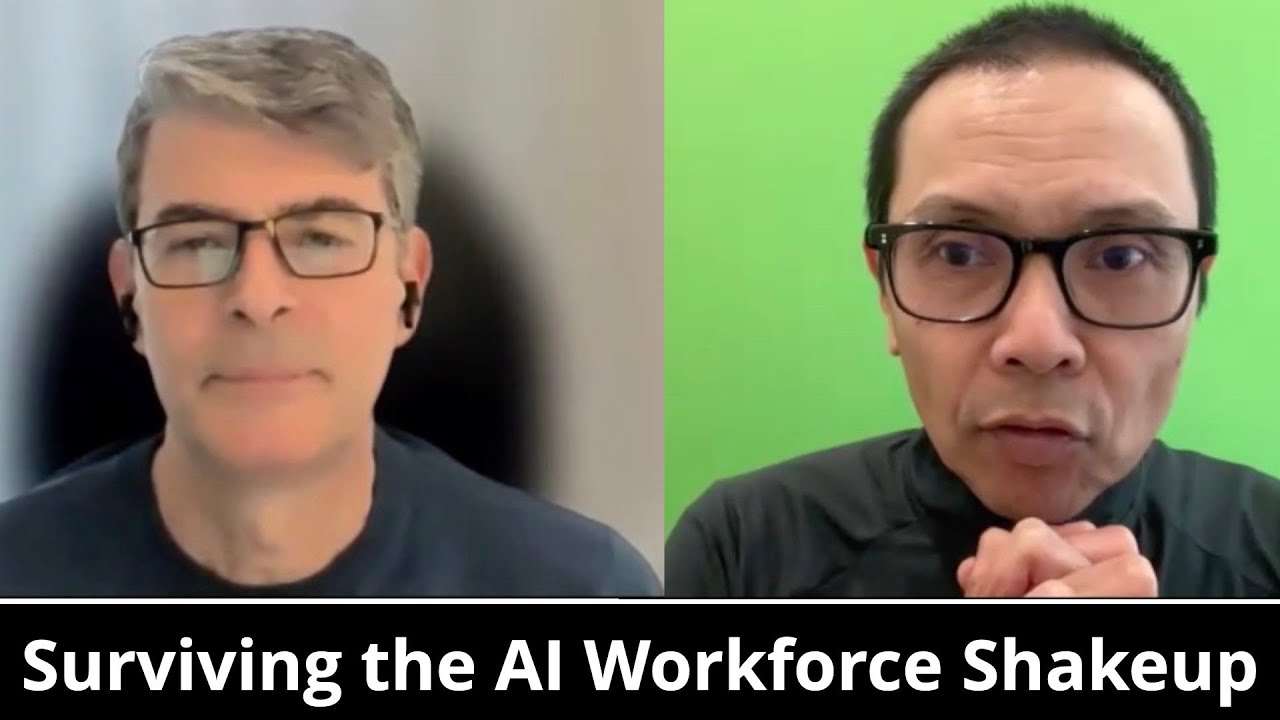
Evangelos Simoudis of Synapse Partners identifies a nuanced, multi-faceted landscape behind recent AI-related layoffs, moving beyond simplistic narratives. While acknowledging that companies may be using AI as a justification for other economic pressures—a phenomenon termed “AI washing”—he outlines three distinct categories of AI-driven workforce changes.
Deconstructing AI-Driven Layoffs
-
The Upskilling Gap: Companies like Accenture are signaling a strategy to release employees who cannot be effectively upskilled to work with and alongside AI technologies. This represents a direct response to the need for a workforce capable of navigating an AI-centric business environment.
-
Automation and Augmentation: Layoffs are occurring where jobs, particularly junior-level roles, are being replaced or significantly automated by AI. This contributes to the “hollowing out” of the junior talent pipeline. Furthermore, a significant trend, especially in technology companies, is the flattening of organizational structures. Middle management roles focused primarily on coordinating small teams are being eliminated, with AI tools expected to handle coordination tasks, pushing former managers back into individual contributor roles. This trend is anticipated to expand beyond tech into sectors like finance and manufacturing.
-
Strategic R&D Consolidation: High-profile layoffs, such as those in Meta’s AI R&D team, signal a strategic narrowing of focus. Simoudis expresses concern over this trend, viewing it as a dangerous form of “groupthink” where the industry becomes overly enamored with the current state of AI, such as large-scale transformer models. This consolidation, driven by competitive pressure to release incrementally better models, risks stifling innovation in alternative approaches. The belief that progress is solely a matter of “more data and more compute” is a fallacy. Instead, new approaches are needed, such as Large Reasoning Models and Large Action Models, to build more capable and specialized AI agents that move beyond “vanilla conversational models.”
The Trillion-Dollar Question of AI ROI
The massive capital investments in AI infrastructure, exemplified by trillions being poured into data centers, are creating immense pressure for a return on investment (ROI). This financial reality is driving many strategic decisions.
-
Infrastructure and Financial Models: The build-out is so intense that it’s hitting physical and supply chain limits, from energy shortages for powered-down data centers to TSMC’s inability to meet the demand for AI chips. This environment is also shifting financial strategies, with companies like CoreWeave adopting debt financing—a departure from the traditional cash-heavy approach of Silicon Valley—to fund growth.
-
From Pilot to Production Costs: As enterprises move AI systems from prototypes to full-scale deployment, they face significant operational bills. While hyperscalers may view AI as a utility with high upfront costs, their enterprise customers are increasingly scrutinized for the ongoing expenses. This is forcing a necessary conversation about ROI. Simoudis advises that while ROI shouldn’t be expected from a pilot, the framework for calculating it must be designed from the very beginning.
-
The Rise of LLMOps as FinOps: Technical teams are acutely aware of these costs. The discipline of MLOps has evolved into LLMOps, which is fundamentally becoming a form of FinOps (Financial Operations). The primary focus of LLMOps is managing and optimizing costs related to token economics, cloud infrastructure, and serving mechanisms. This financial management is now coupled with the critical need to ensure trust, explainability, and governance in deployed systems.
The Path Forward: Breaking Down Silos
To successfully navigate this landscape, a fundamental organizational transformation is required. The traditional, siloed approach where a technology team develops a pilot and throws it “over the wall” to a business unit is no longer viable. To become truly AI-centric and achieve a positive ROI, enterprises must foster deep collaboration between technology, business, HR, and finance teams from the very inception of an AI strategy. This integrated approach is essential for selecting the right use cases, evaluating pilots holistically, and ensuring that AI initiatives deliver tangible business value.