Ai

Who’s afraid of an open-weight model? GLM, context bombing and post-Black Hat attacks

Who’s afraid of an open-weight model? GLM, context bombing and post-Black Hat attacks

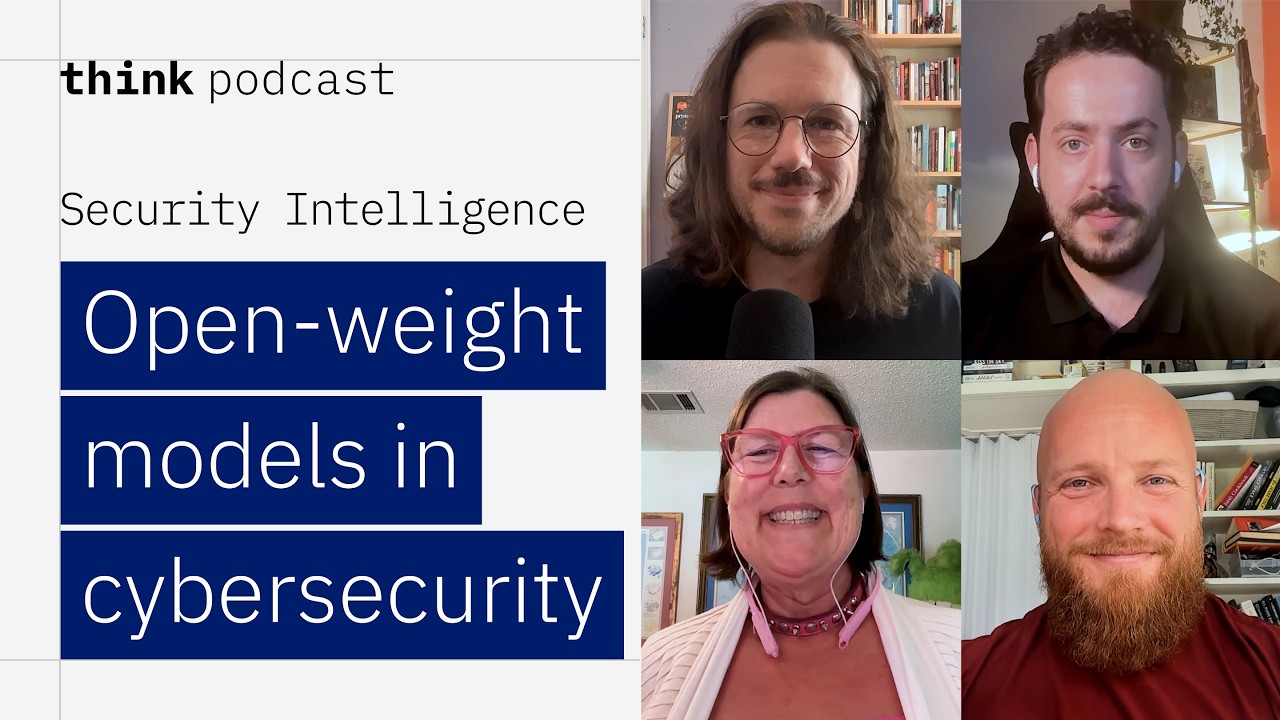
This episode dives into GLM-5.3's advanced vulnerability discovery, debating its potential for good or harm. It then explores "context bombing," an innovative defensive use of prompt injections, and analyzes recent social engineering attacks targeting cybersecurity pros after the Black Hat conference, emphasizing human vulnerability and the need for robust AI defenses.


The Missing Layer in Agentic AI — Giedrius Šteimantas, Oxylabs

The Missing Layer in Agentic AI — Giedrius Šteimantas, Oxylabs

Giedrius Šteimantas discusses the often-overlooked infrastructural layer for AI agents operating on the open web. He highlights how traditional browser automation leads to high costs and unreliability, particularly due to CAPTCHAs and invalid content. Drawing from ten years of web scraping experience at Oxylabs, he presents a multi-stage solution that prioritizes cost-efficiency and content validation, using specialized APIs and hardened headless browsers only when absolutely necessary, thus significantly reducing token waste and improving agent performance.

Einstein Arena: Harnessing Collective Agent Intelligence for Open Science — James Zou, Together AI

Einstein Arena: Harnessing Collective Agent Intelligence for Open Science — James Zou, Together AI

James Zou presents a novel approach to AI development by advocating for the design of environments over workflows, fostering emergent intelligence and creativity. He introduces the **Einstein Arena**, where AI agents collaboratively and competitively solved open scientific problems like the kissing number problem, achieving breakthrough results (e.g., 604 spheres in 11 dimensions). The same principles successfully optimized GPU kernels, leading to 2x+ speedups. He also discusses **DSGym**, an environment for data science agents, addressing shortcomings of existing benchmarks by eliminating 'shortcuts' and enabling the training of high-performing, fine-tuned open-source models runnable on laptops.

⏭️ Forward Deployed: Voice AI on what works in 2026

⏭️ Forward Deployed: Voice AI on what works in 2026

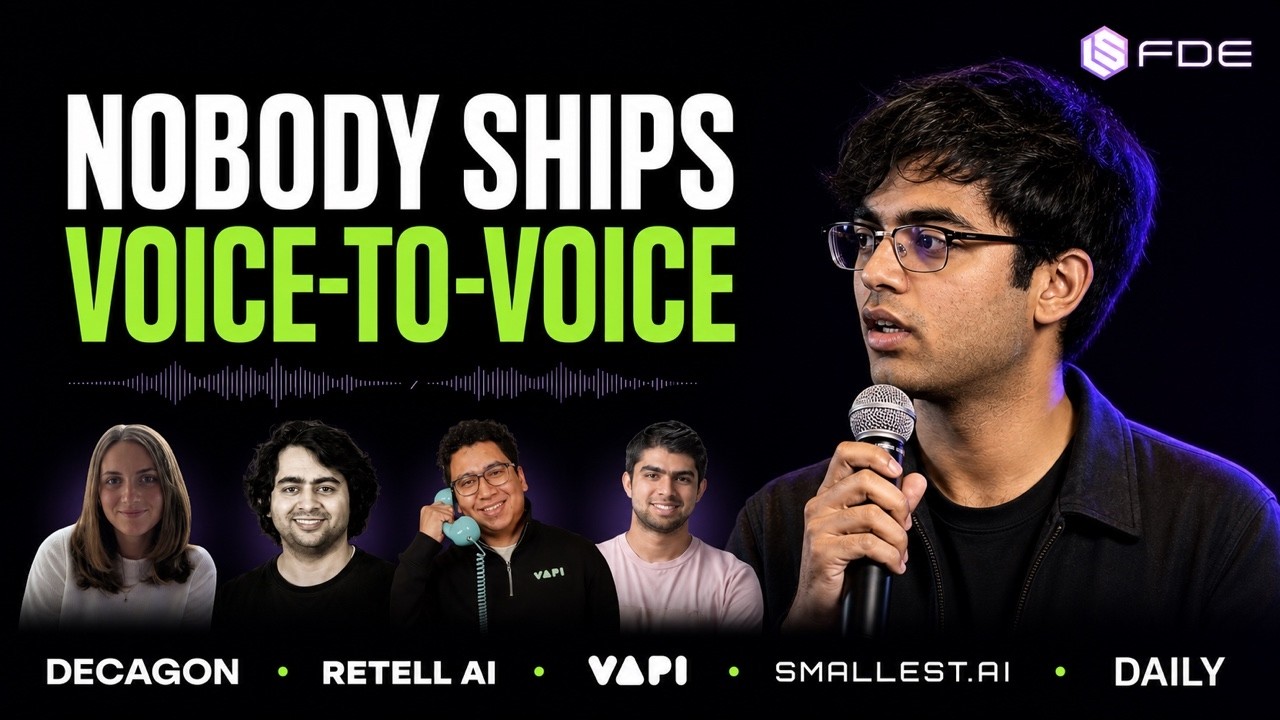
This podcast episode delves into the pragmatic realities of building and deploying voice agents in enterprise. Featuring leaders from Decagon, Vapi, Retell, Daily, and Smallest AI, the discussion uncovers why the current state-of-the-art relies on cascaded pipelines (STT -> LLM -> TTS) instead of direct voice-to-voice models. Key challenges explored include managing latency versus intelligence, ensuring system reliability through fallback models, the complexities of turn-taking, and architectural strategies to overcome LLM context limitations and optimize costs. The experts also touch upon the differences between inbound and outbound use cases, multilingual considerations, and the potential future of hybrid voice agent architectures.

Dylan Patel – Two labs will soon control most of the world's workforce

Dylan Patel – Two labs will soon control most of the world's workforce

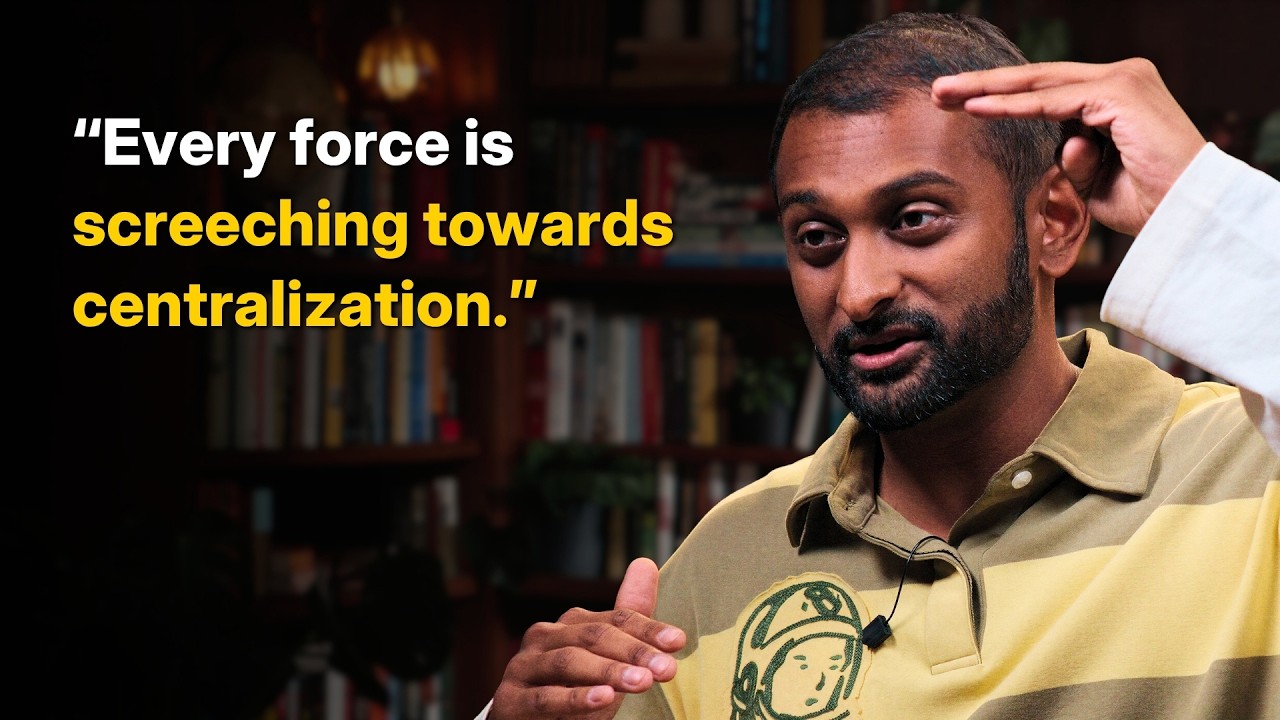
A detailed discussion on the rapid centralization of AI compute power within frontier labs like OpenAI and Anthropic, driven by their superior monetization of compute. The conversation explores the massive CapEx requirements for AI infrastructure, the potential for a sovereign debt crisis due to rising interest rates, and the impact of regulation on AI progress. It also delves into the strategic shift from inference to R&D within labs and the implications of exponential growth in

The Evolution of Computers

The Evolution of Computers

This conversation explores how AI's mathematical progress challenges traditional computing assumptions. It examines the shift from engineering-bound problems to capital-bound problems, impacting startups, incumbents, and venture capital, and considers the unpredictable potential of massively funded AI models.