Ai

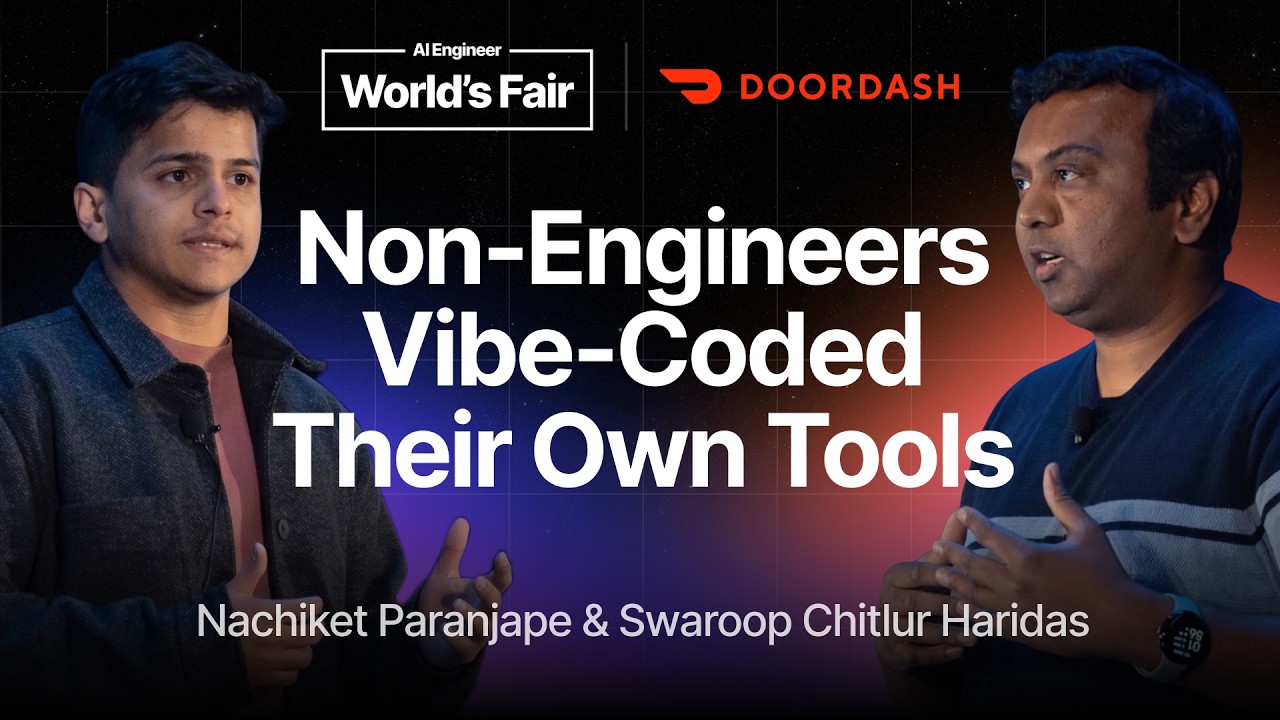
AI Evals for Cross-Functional Teams — Nachiket Paranjape & Swaroop Chitlur Haridas, DoorDash

AI Evals for Cross-Functional Teams — Nachiket Paranjape & Swaroop Chitlur Haridas, DoorDash

DoorDash's GenAI platform team transformed evaluation from an engineering-centric task into a cross-functional workflow. By adopting an API-first strategy, they empowered non-engineers like Strategy & Operations to "vibe code" their own annotation UIs using coding agents and self-serve calibrate LLM judge prompts. This approach dramatically reduced annotation costs, accelerated iteration, and fostered broader organizational ownership of AI quality.
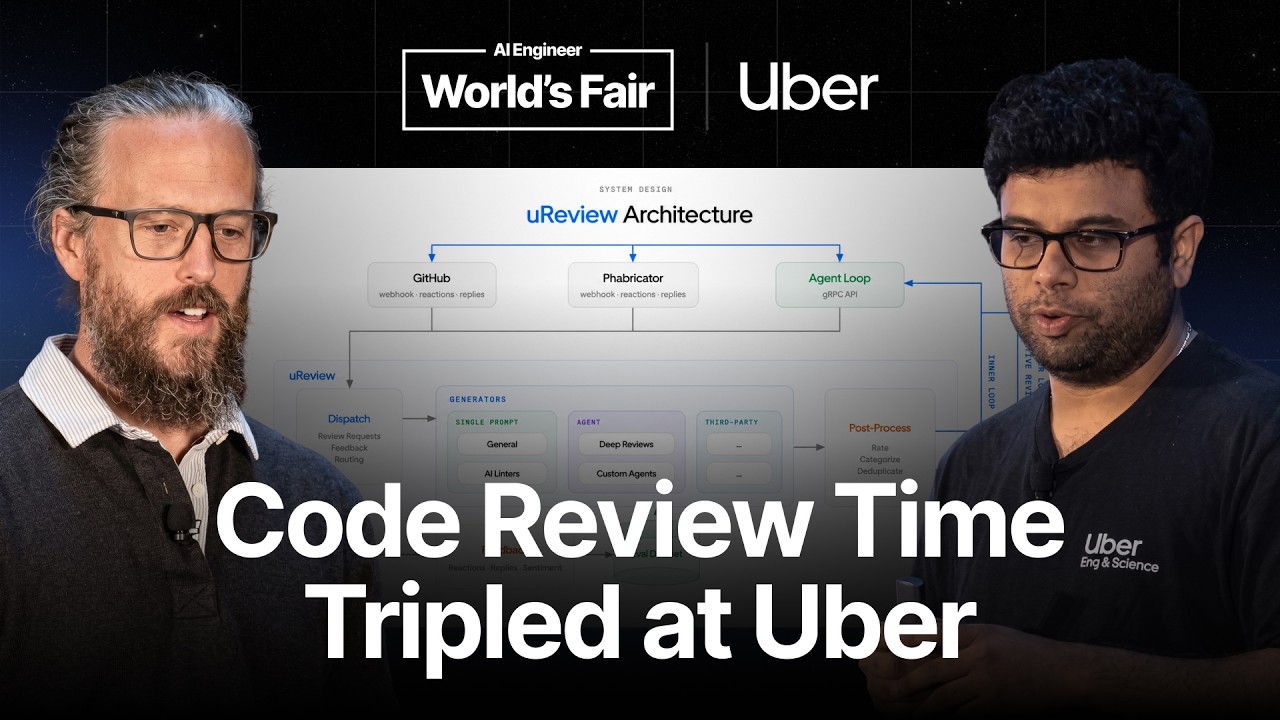

Building uReview, Uber’s Multi-Agent Code Review Engine — Will Bond & Ameya Ketkar, Uber

Building uReview, Uber’s Multi-Agent Code Review Engine — Will Bond & Ameya Ketkar, Uber

Uber's Will Bond and Ameya Ketkar present uReview, an in-house automated code review system developed to combat rising review times (3 to 9 hours for first review). They detail why Uber built it over buying—due to Phabricator, agentic SDLC integration, and distributed ownership—and its architecture, including comment deduplication. The presentation highlights their iterative approach using advanced observability (sentiment, addressal rate, agent trajectory) to tune model performance, acknowledging that "the model never knows that it is wrong." They discuss empowering hundreds of teams with custom review agents and skills, sharing impressive results: 25,000 comments weekly, 67% addressal rate, and 60% cost reduction. Finally, they explore the evolving role of human engineers in an agentic SDLC, predicting an "expanded outer loop" focused on architecture and domain expertise rather than direct code review.

Why Top Founders Are Racing Into AI Infrastructure

Why Top Founders Are Racing Into AI Infrastructure

a16z's new Machine Age Fund addresses the unprecedented demand for AI infrastructure, shifting the bottleneck from models to the foundational hardware. The discussion highlights surging Hyperscaler CapEx, component supply crunch extending to 2028, and the exponential compute needs driven by reasoning and agents. It explores how AI turns engineering problems into capital/compute challenges, identifying opportunities for new infrastructure companies in chips, power, and data center redesign, and the emergence of experienced "systems founders" to rebuild the computing stack for this new era.

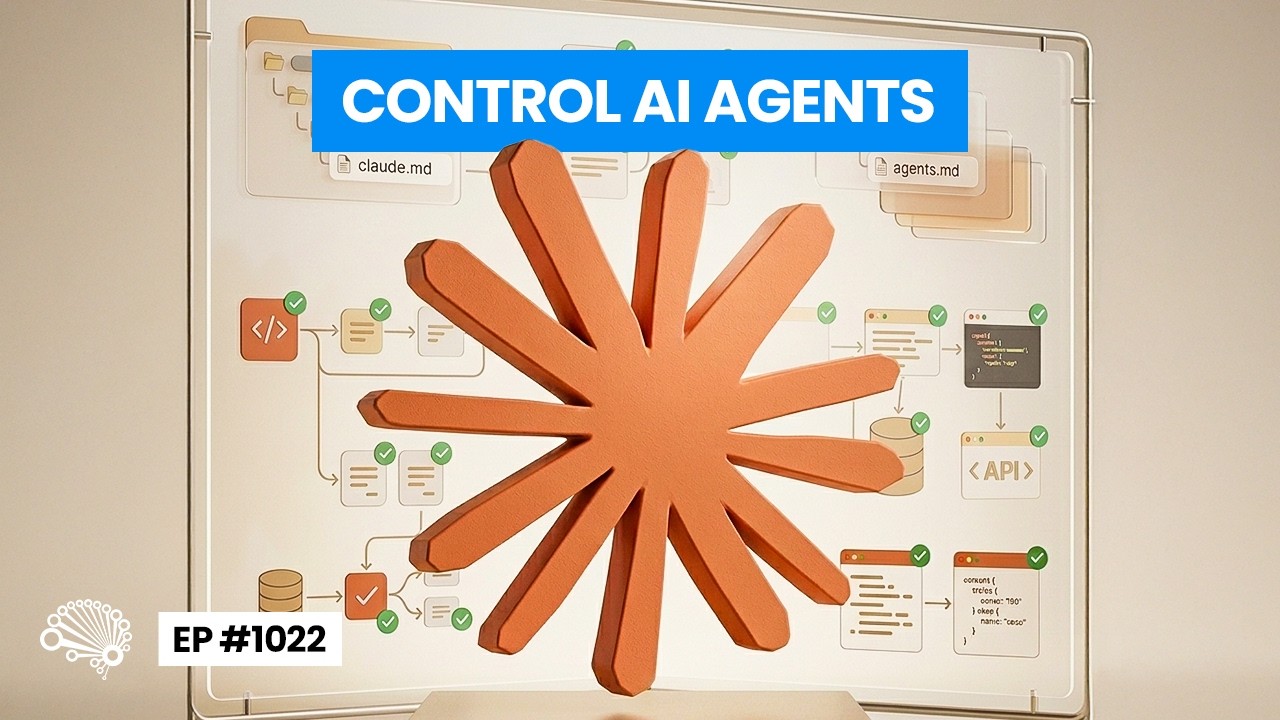
CLAUDE.md, AGENTS.md, Skills, Hooks and Subagents: A Field Guide to Steering AI Agents (Ep. 1022)

CLAUDE.md, AGENTS.md, Skills, Hooks and Subagents: A Field Guide to Steering AI Agents (Ep. 1022)

Episode 1022 dissects the crucial aspect of effectively steering AI agents by determining the optimal placement of instructions to ensure reliability and cost-efficiency. It explores seven distinct methods for instruction delivery, contrasting instructions as probabilities with hooks as guarantees, and highlights the industry-wide adoption of standards like `agents.md` and the importance of human-crafted guidance for superior agent performance.

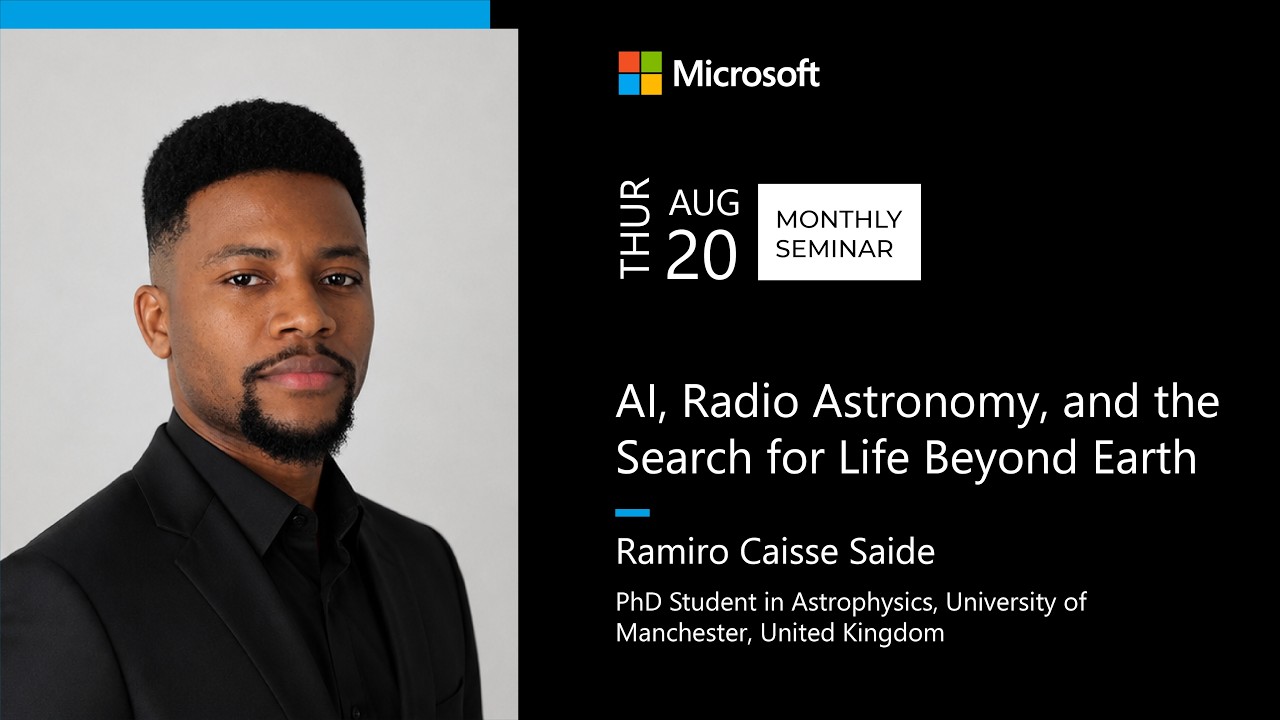
AI, Radio Astronomy, and the Search for Life Beyond Earth

AI, Radio Astronomy, and the Search for Life Beyond Earth

Ramiro Caisse Saide presents a multimodal deep-learning approach for technosignature detection in radio astronomy, using observations from Breakthrough Listen at MeerKAT. He investigates combining spectrograms with I/Q signal representations to improve signal detection and classification, particularly in low signal-to-noise environments. The talk also covers his extensive background in AI education, software development, the motivations behind SETI, fundamental radio astronomy concepts, and studies on Earth's own radio leakage.

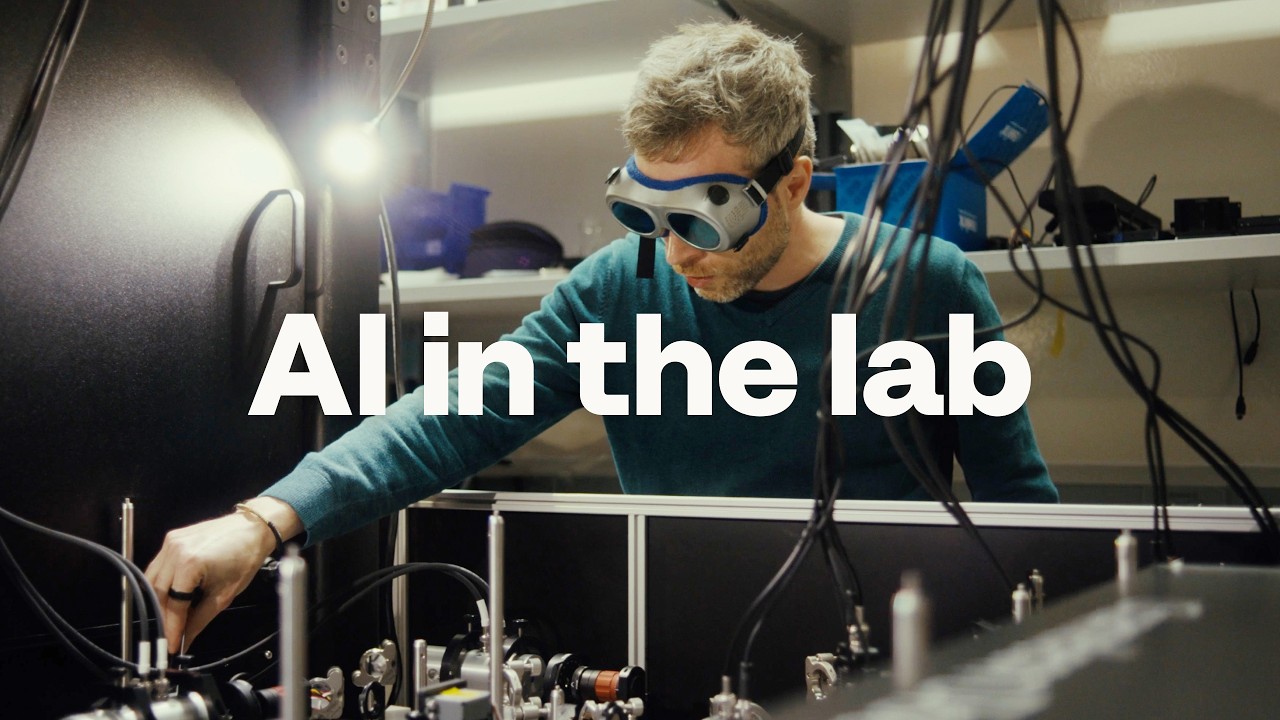
AI models can now help run physical science experiments

AI models can now help run physical science experiments

The Model Hardware Standard (MHS) is a pioneering framework developed by Anthropic and HHMI Janelia to enable AI, specifically Claude, to safely and intelligently operate diverse scientific and manufacturing hardware. By abstracting device-specific communication, MHS dramatically accelerates scientific discovery, from automating complex microscopy tasks and real-time tracking to optimizing high-throughput drug screening, empowering researchers to focus on core scientific questions.