When Talking Becomes the Main Way We Use Computers — Pavan Muddireddy
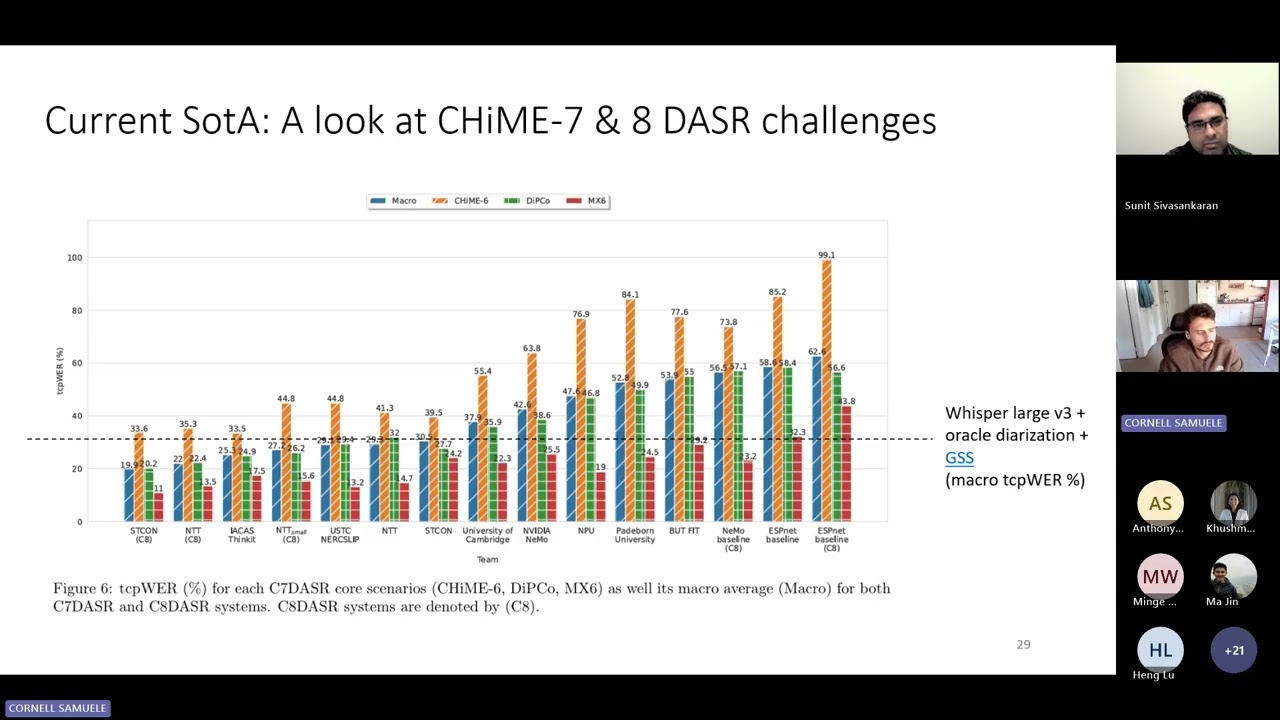
Mistral AI's Voxtral suite represents a significant advancement in voice AI, moving beyond traditional cascaded systems towards more integrated and efficient audio understanding and generation. Pavankumar Reddy Muddireddy of Mistral AI details Voxtral Chat's audio-native architecture, which directly feeds continuous audio embeddings into a text LLM for rich context. He explains Voxtral TTS's use of continuous latents and flow matching for high-fidelity speech synthesis. The discussion also covers critical challenges like speaker diarization, the use of Direct Preference Optimization (DPO) to correct model hallucinations, and the enduring relevance of specialized model cascades in real-world enterprise deployments for their adaptability and control, emphasizing that voice typically thrives alongside a screen, not in isolation.