Software factory

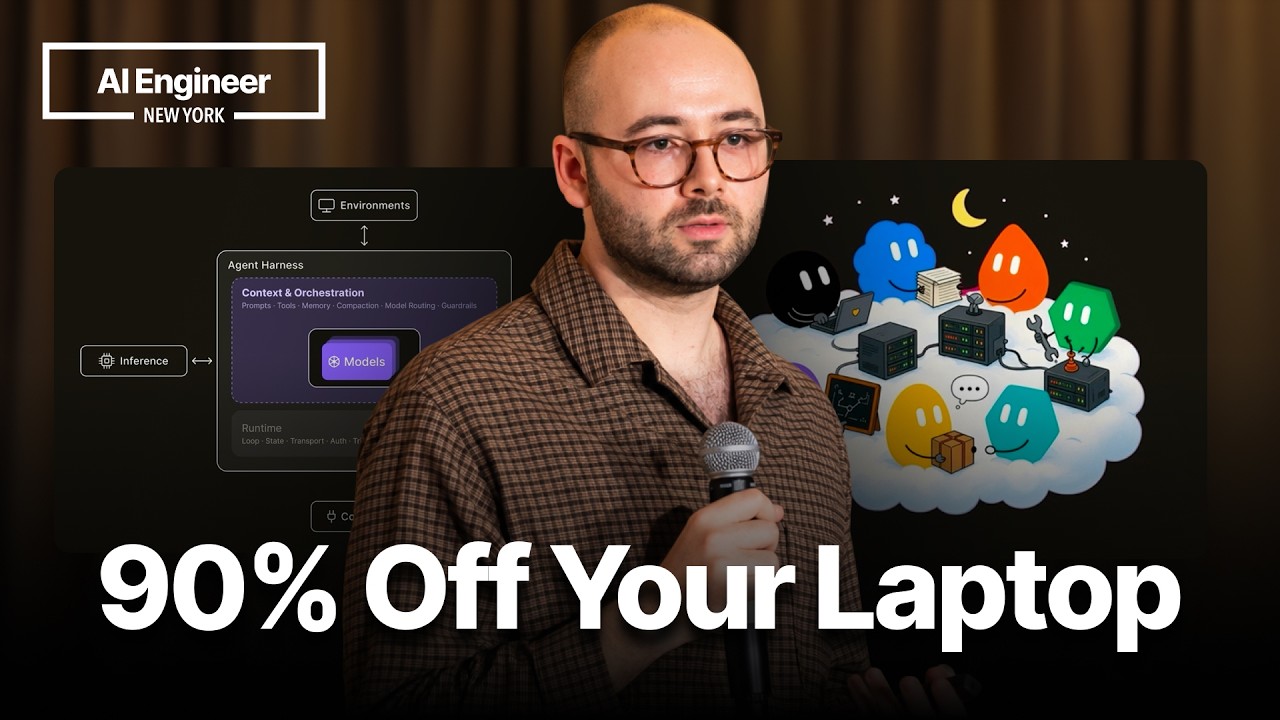
Smarter Models Killed the Harness. Here's What's Left — Jediah Katz, SpaceXAI

Smarter Models Killed the Harness. Here's What's Left — Jediah Katz, SpaceXAI

Jedidiah Katz, longtime agent-harness engineer at Cursor and now at SpaceX, argues that fancy harnesses no longer add coding intelligence because models absorb those skills through a data flywheel. He contends the harness matters more than ever: it unlocks new frontiers like Grokbot and owns infrastructure, trust and security, and efficiency. He closes with predictions, including that 90% of agent work will run off the laptop within six months.
Rebuilding CI for AI-Scale Commit Volume — Gautam Korlam, SonarSource

Rebuilding CI for AI-Scale Commit Volume — Gautam Korlam, SonarSource

A talk on why coding agents shift the bottleneck from code generation to CI, merge queues, review, and approvals, and how to redesign those systems around speed, automated repair, policy enforcement, and auditable records.

The Software Factory: From Bug Report to Production Code — Davis Palmie, Factory

The Software Factory: From Bug Report to Production Code — Davis Palmie, Factory

Davis Palmie of Factory explains the software factory, a system of agents that turns bug reports and user feedback into production code. He covers leadership concerns about cost, model choice, engineering roles, and org structure, argues that coding was never the bottleneck, and lays out principles for a factory: model agnosticism, sovereign deployment, and SDLC-wide integration. He also describes eight pillars of agent readiness, starting with narrow use cases like incident triage, and closes with why outcome metrics should replace token counts.

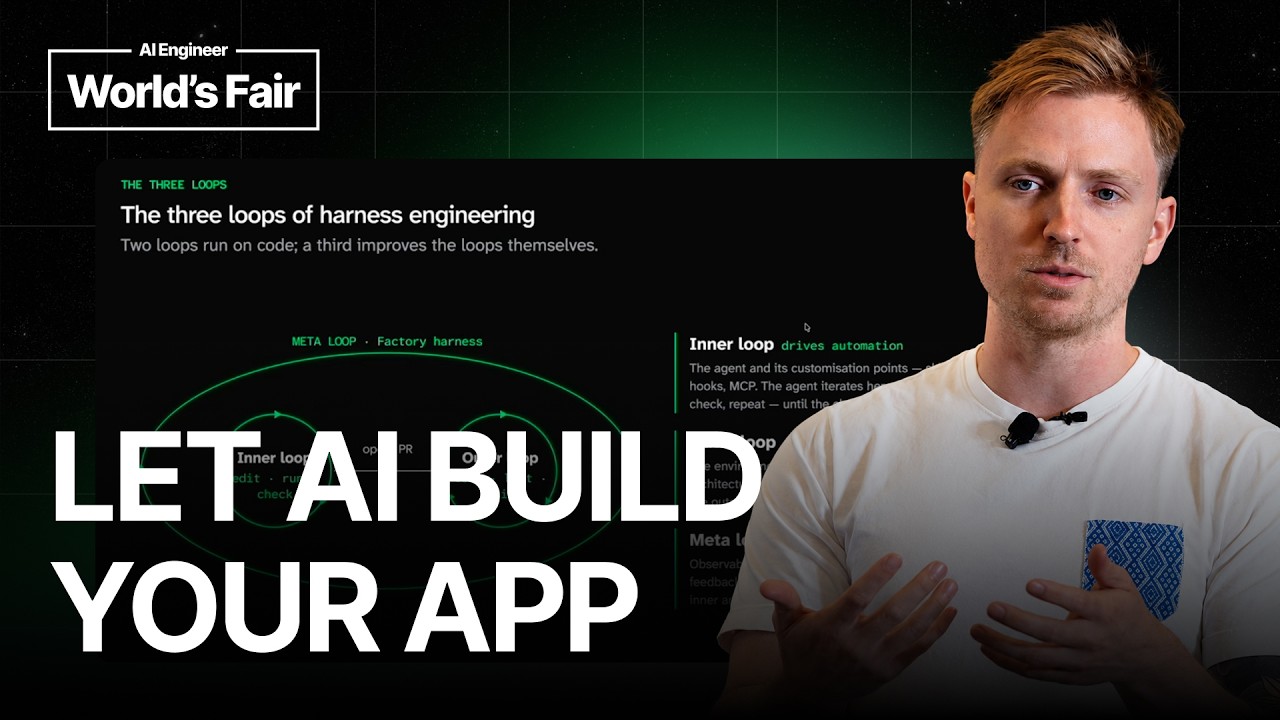
Harness Engineering: How to Build a Software Factory — Dru Knox, Tessl

Harness Engineering: How to Build a Software Factory — Dru Knox, Tessl

Dru Knox of Tessl discusses harness engineering, the discipline for building software factories with AI agents. He outlines a factory's three pillars—autonomy, automation, quality—and introduces inner, outer, and meta loops. Knox explains why this field is challenging and proposes a three-layer architecture: control plane, agent-ready stack, and improvement loops, concluding with key metrics to track progress towards an agent-driven software development future.

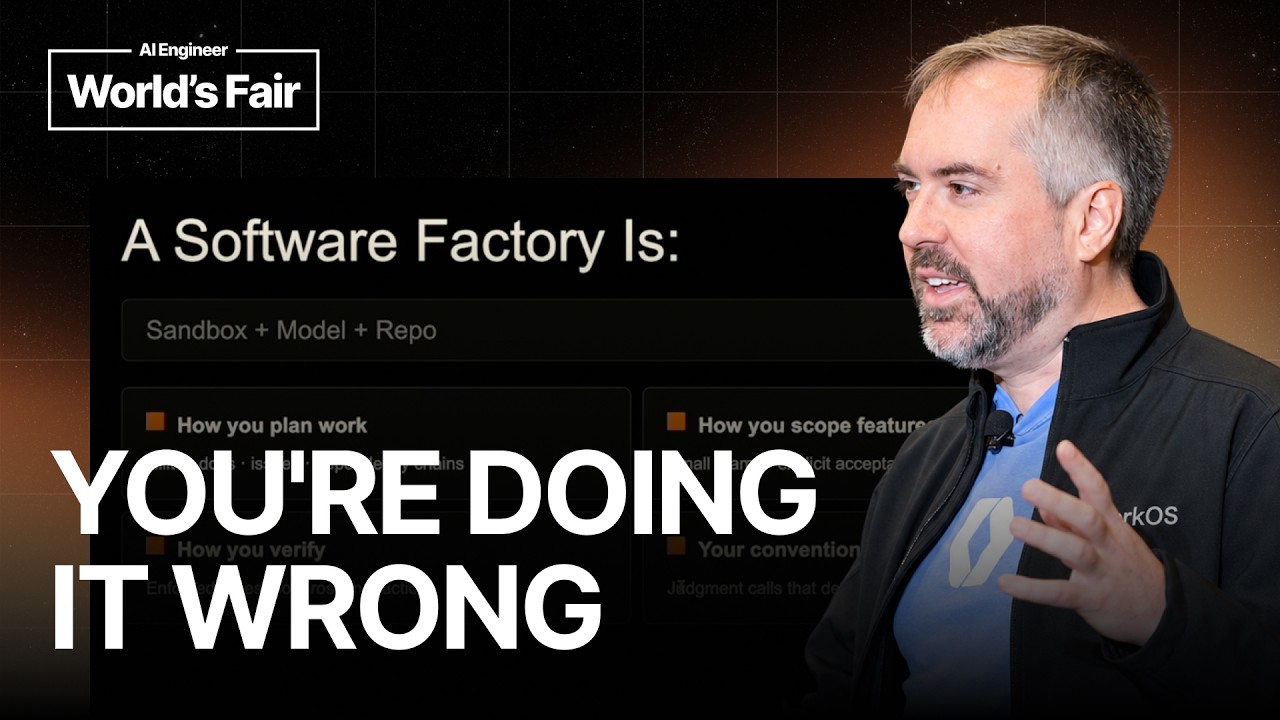
No, That's Not a Software Factory — Ryan Cooke, WorkOS

No, That's Not a Software Factory — Ryan Cooke, WorkOS

Ryan Cooke of WorkOS argues that software factories should be judged by customer outcomes rather than PR counts or AI-generated code volume. He describes how WorkOS embedded its product engineering process into its factory through TARS, Horizon, a PM agent that drafts Hilltop docs, and an internal MCP gateway connected to Snowflake, along with bug triage, owned sandboxes, a memory layer and outcome-focused metrics.

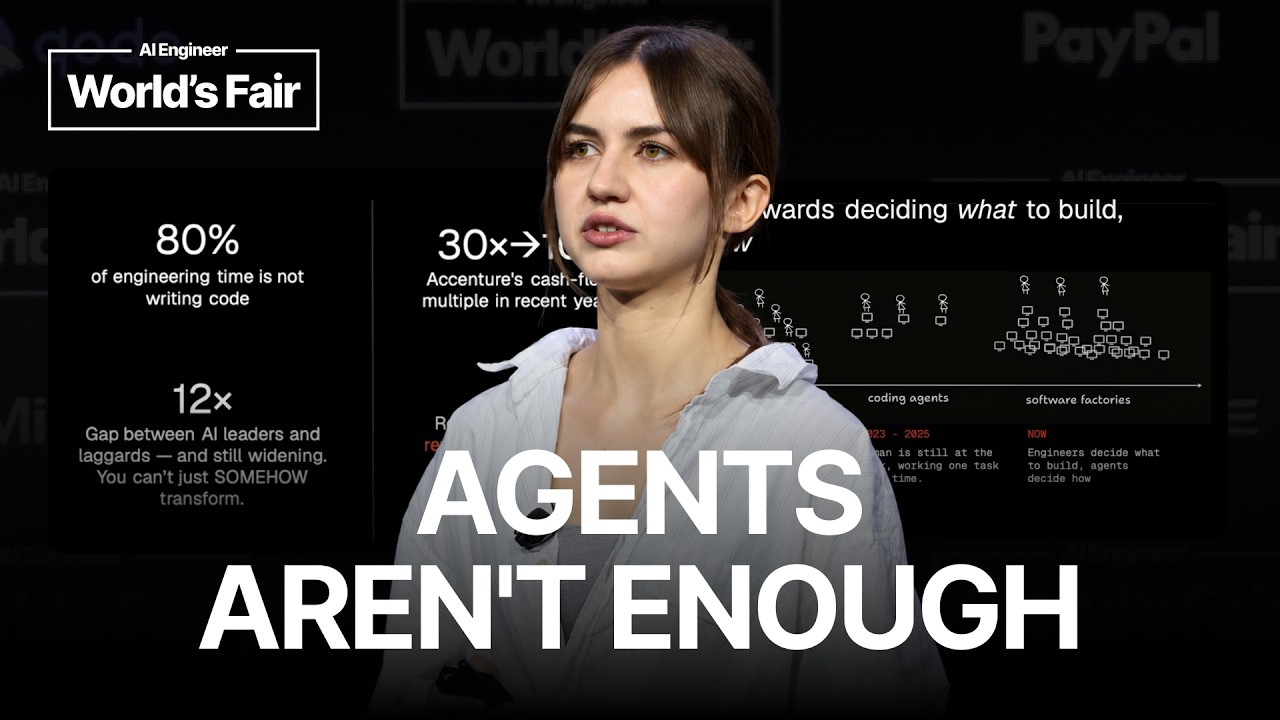
What It Actually Takes to Build a Software Factory — Tereza Tížková, Factory

What It Actually Takes to Build a Software Factory — Tereza Tížková, Factory

Tereza Tížková of Factory explains what a software factory really is: an autonomous, end-to-end software lifecycle that goes far beyond coding agents. She covers three guiding principles of agnosticism, autonomy, and continuous improvement, including automatic model routing, long-running multi-agent missions with sequential workers and independent validators, a deferred context engine, and agent readiness checks, and closes with a view on what remains for humans.