
Slm

Frontier results, on device - RL Nabors, Arize

Frontier results, on device - RL Nabors, Arize

RL Nabors discusses the significant costs associated with using frontier AI models, covering security, latency, and financial implications. She introduces a framework for right-sizing AI solutions by leveraging smaller, task-specific models and Small Language Models (SLMs). The framework details how to prove task feasibility, establish success criteria with golden datasets, conduct capability evaluations (using tools like Phoenix), and select the most appropriate "Small And Good Enough" (SAGE) model. Nabors further demonstrates how prompt engineering, particularly few-shot prompting, and post-processing can close performance gaps with larger models, while advocating for continuous regression evaluations to maintain performance integrity. The overarching message is to "prototype big, deploy small" to optimize AI deployments.
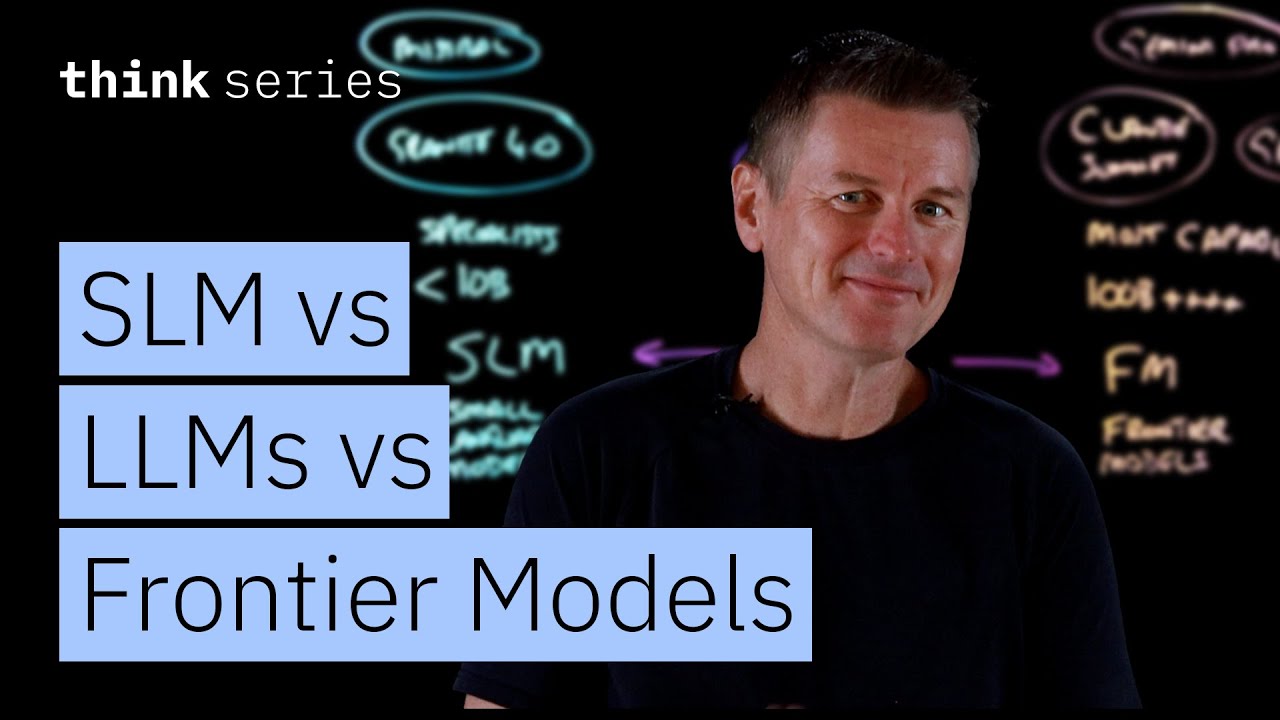
LLM vs. SLM vs. FM: Choosing the Right AI Model

LLM vs. SLM vs. FM: Choosing the Right AI Model

A guide to understanding the differences between Large Language Models (LLMs), Small Language Models (SLMs), and Frontier Models (FMs). Learn the unique strengths of each model type and see practical use cases for document classification, customer support, and incident response to help you choose the right model for your AI project.

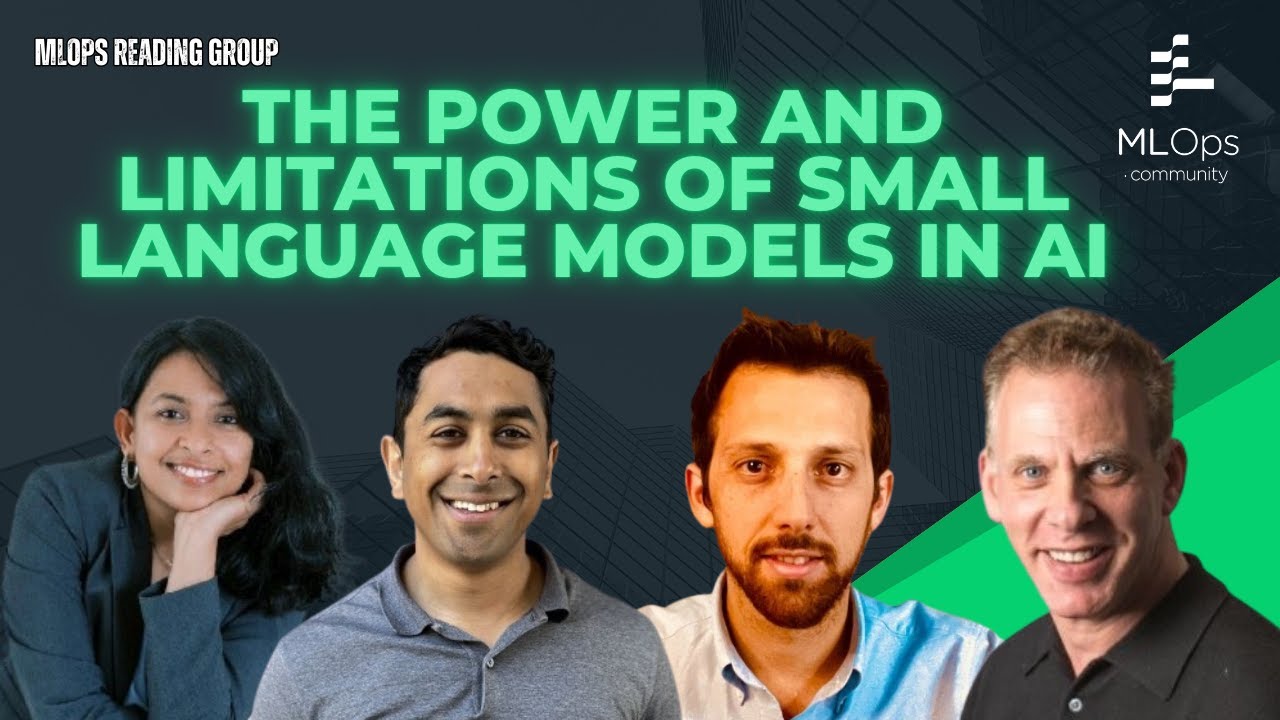
Small Language Models are the Future of Agentic AI Reading Group

Small Language Models are the Future of Agentic AI Reading Group

This paper challenges the prevailing "bigger is better" narrative in AI, arguing that Small Language Models (SLMs) are not just sufficient but often superior for agentic AI tasks due to their efficiency, speed, and specialization. The discussion explores the paper's core arguments, counterarguments, and the practical implications of adopting a hybrid LLM-SLM approach.