Scientific ai

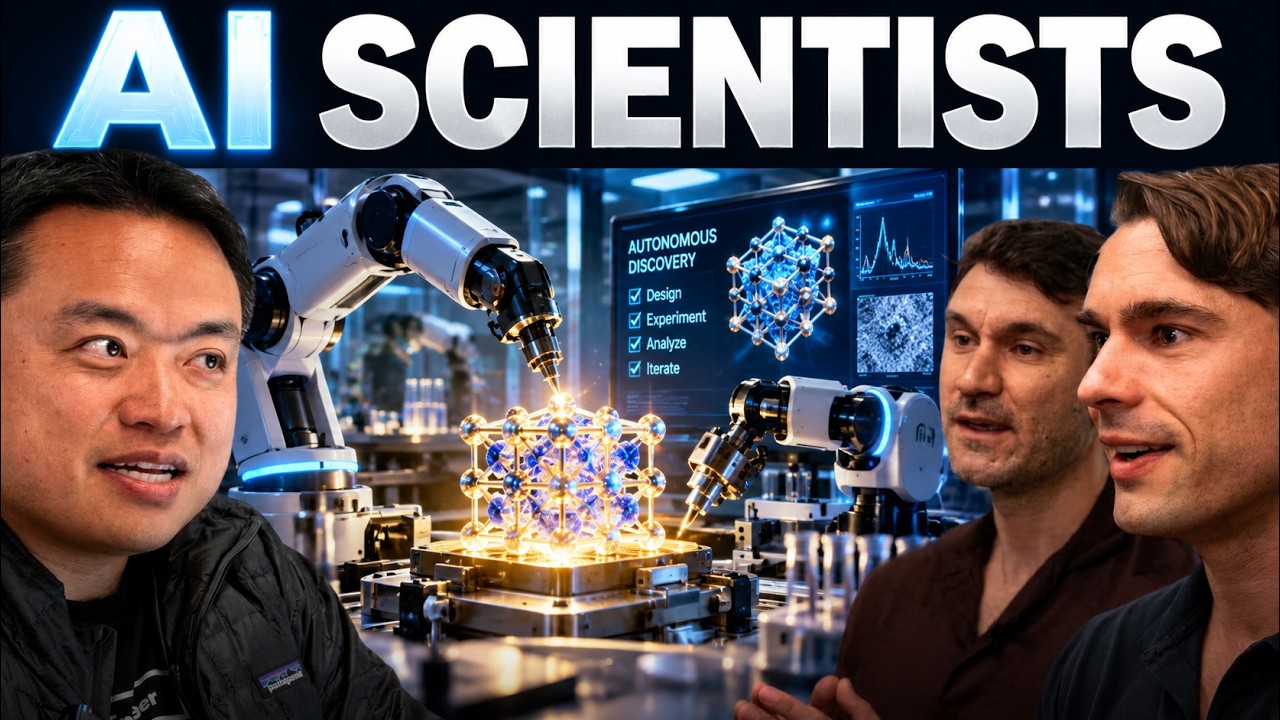
AI Scientists Are Here: Autonomous Labs & Synthesis Superintelligence — Periodic Labs

AI Scientists Are Here: Autonomous Labs & Synthesis Superintelligence — Periodic Labs

Liam Fedus and Ekin Dogus Cubuk of Periodic Labs explain why scientific discovery requires physical experiments rather than more internet data alone, and how they are building autonomous labs where AI systems reason under noise and uncertainty. The conversation covers reinforcement learning grounded in experiments, the materials discovery loop from prediction to synthesis to characterization, the limits of DFT, why physics remains unsolved, negative results as training data, scaling autonomous labs, and the broader goal of synthesis superintelligence aimed at discovering new superconductors, magnets, and batteries.
🔬 The Physical World Is More Forgiving Than You Think — Anima Anandkumar, Caltech

🔬 The Physical World Is More Forgiving Than You Think — Anima Anandkumar, Caltech

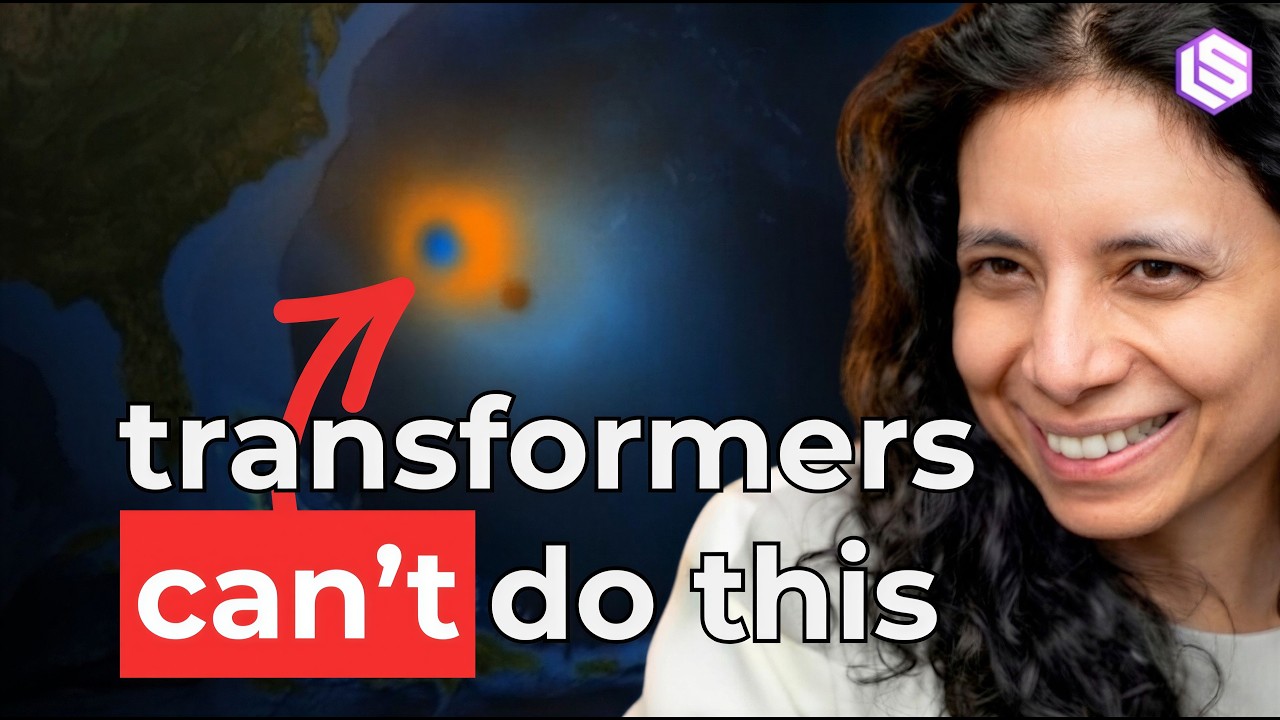
Anima Anandkumar discusses her vision for AI in science, moving beyond language models to apply machine learning to the physical world. She introduces neural operators, especially Fourier neural operators, as a solution to data scarcity and resolution challenges in domains like weather, climate, and fusion. These models integrate physical constraints and data to achieve unprecedented speed and accuracy, even on consumer hardware, enabling capabilities from early hurricane prediction to digital twins for fusion reactors and inverse design for advanced materials. The conversation highlights the need for principled AI design for scientific discovery and advocates for distinct regulatory approaches for AI in science.

Government Agents: AI Agents vs Tough Regulations — Mark Myshatyn, Los Alamos National Laboratory

Government Agents: AI Agents vs Tough Regulations — Mark Myshatyn, Los Alamos National Laboratory

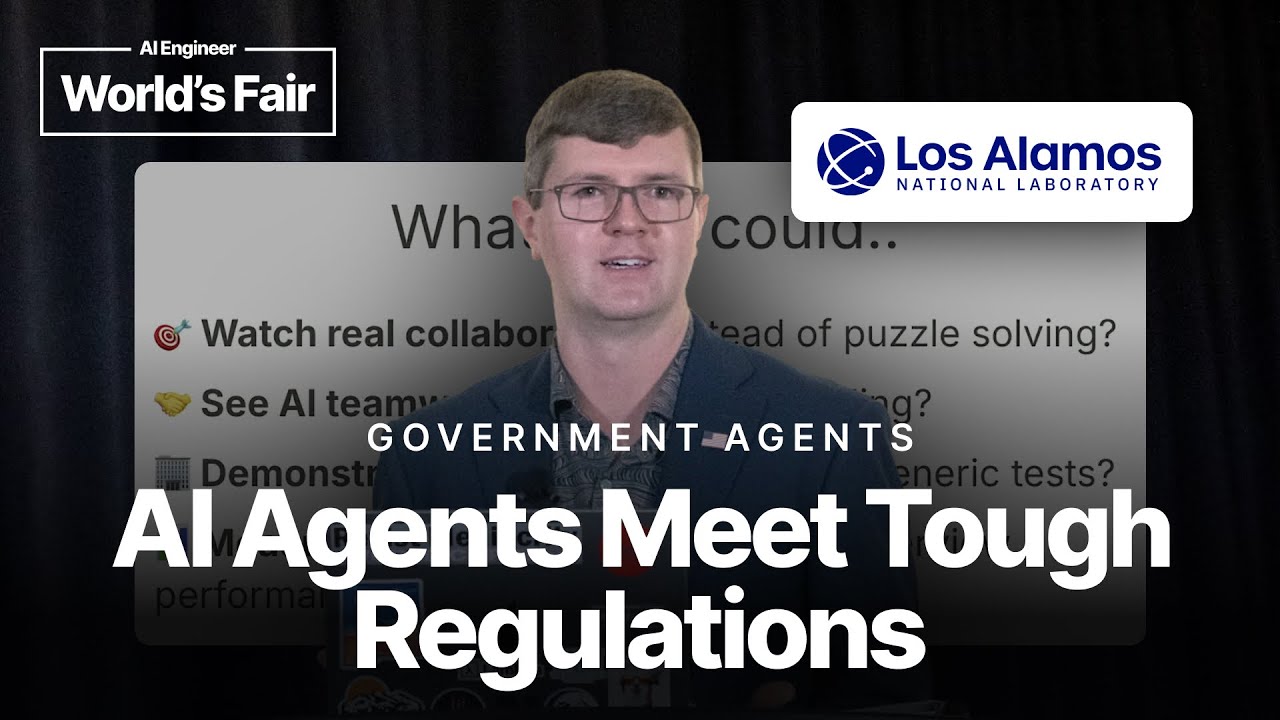
Mark Mashottton of Los Alamos National Laboratory (LANL) discusses the lab's 70-year history in applied AI, its current focus on using agentic AI to accelerate scientific discovery, and the critical architectural and governance principles required for successful AI collaboration within the high-stakes U.S. federal and national security landscape.