Sample efficiency

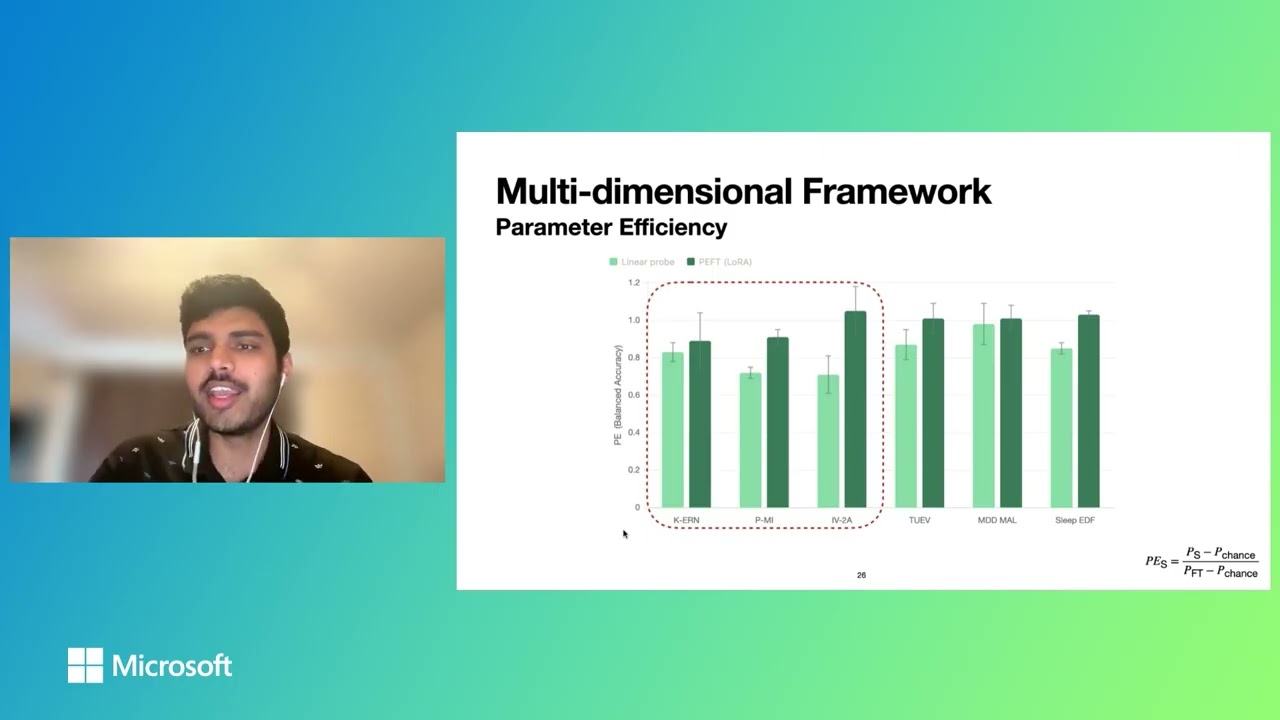
Invited Research Talk: Measuring Generalization in EEG Foundation Models

Invited Research Talk: Measuring Generalization in EEG Foundation Models

This talk presents a multi-dimensional evaluation and interpretability framework for EEG foundation models. It reveals that current models often fail to outperform supervised baselines for BCI tasks, lack robustness to sparse channels, and exhibit an aperiodic low-frequency bias, making them better at capturing subject-specific rather than task-specific information. The analysis highlights critical deficiencies and suggests future directions for pre-training objectives and data collection to improve generalization.

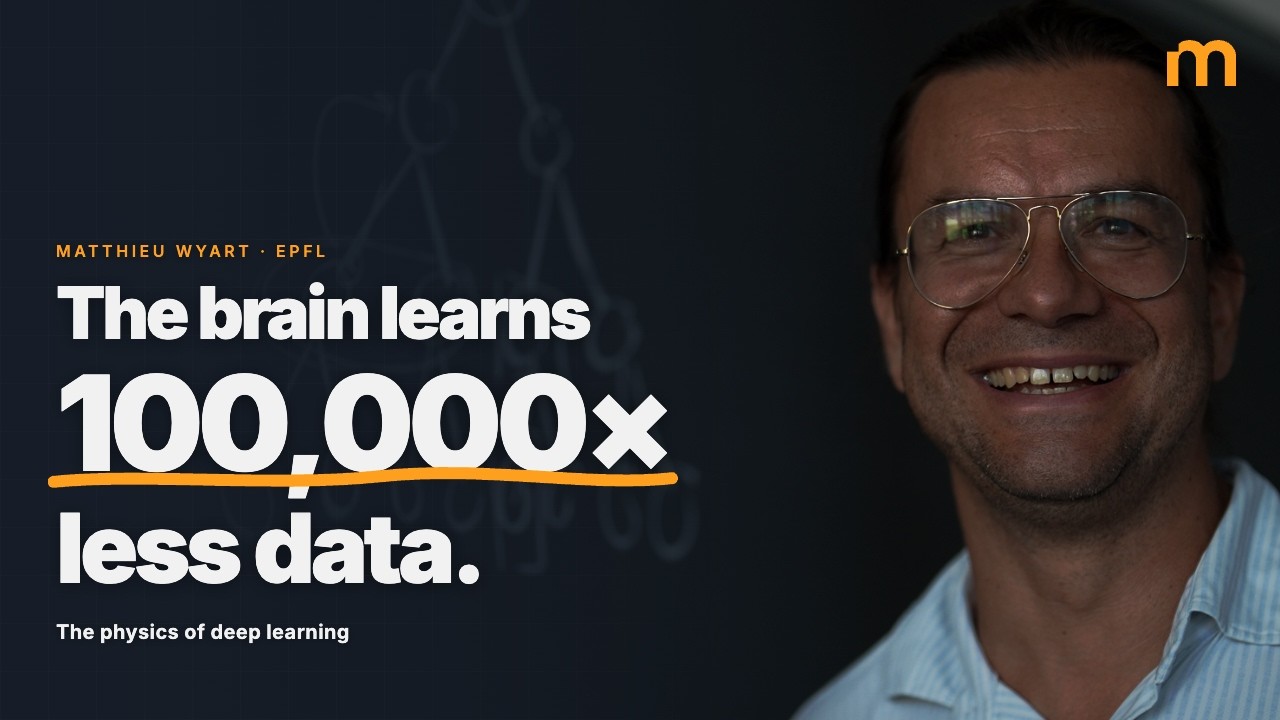
Why Deep Networks Don’t Need to Memorize Everything — Matthieu Wyart

Why Deep Networks Don’t Need to Memorize Everything — Matthieu Wyart

Matthieu Wyart, a statistical physicist, argues that deep networks discover abstractions by recovering hidden data hierarchies, allowing them to escape the curse of dimensionality. He explains how this mechanism, combined with predicting latent representations instead of raw tokens, can significantly improve sample efficiency. The discussion also covers the physics of rough loss landscapes, machine creativity, diffusion models, and a theoretical framework for neural scaling laws.

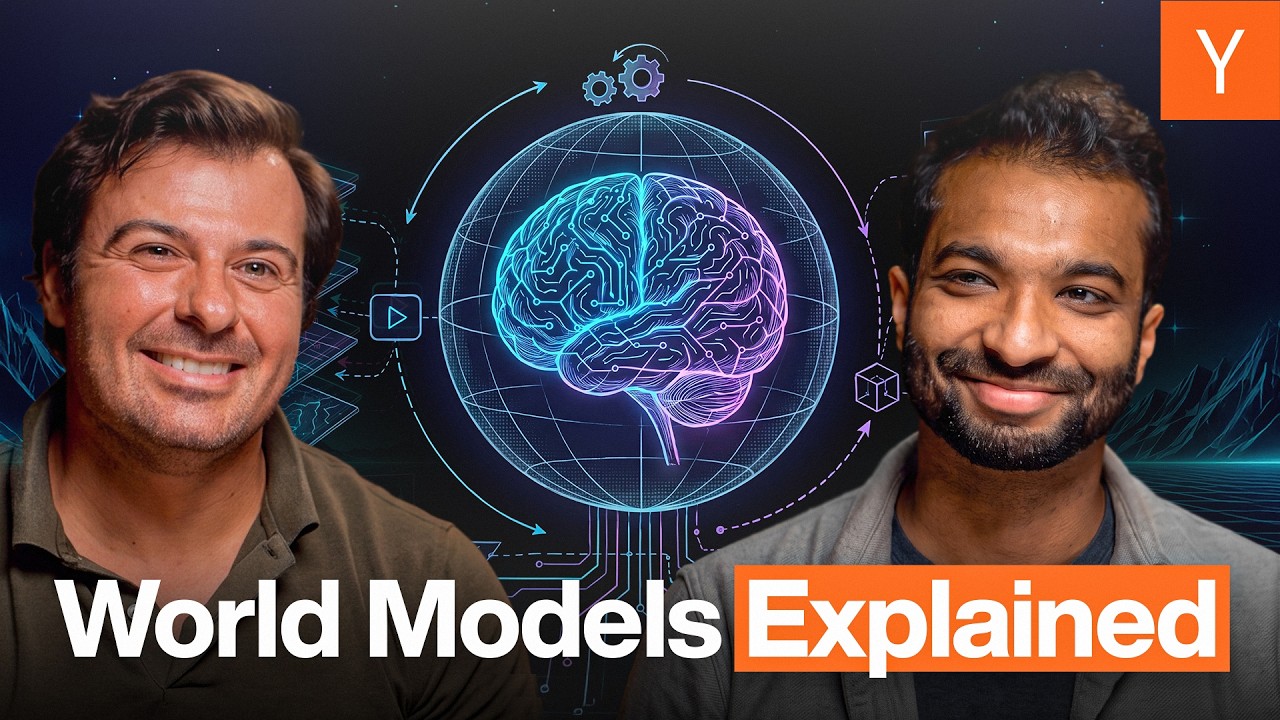
AI Can't Learn The Way Humans Do - This Could Fix That

AI Can't Learn The Way Humans Do - This Could Fix That

This discussion explores world models as a promising path to solving sample efficiency in AI and achieving AGI. It contrasts deterministic control (Newtonian physics) with stochastic environments (RL), explaining the challenges posed by large action spaces in Go, self-driving, and robotics. The episode delves into how synthetic data, video diffusion models, and latent space architectures like JEPA are making world models practical, while also highlighting remaining open problems in physics modeling, real-time adaptation, and rich sensory integration.

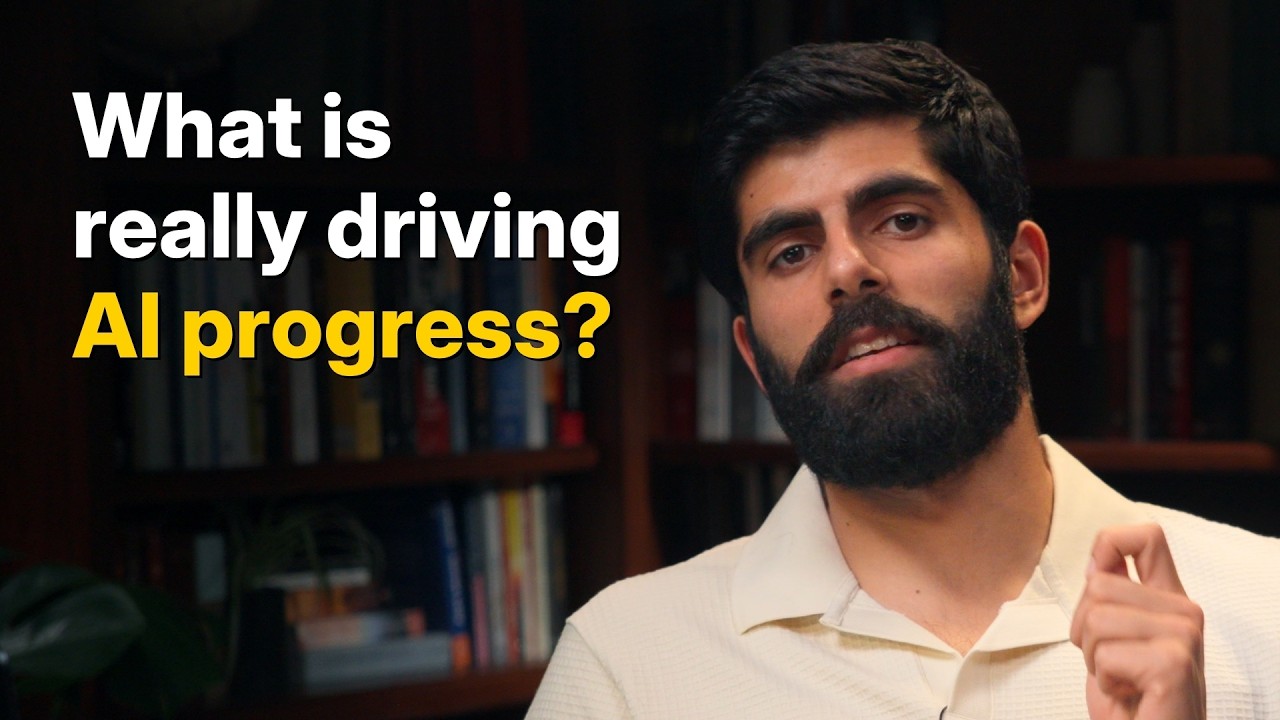
The data black hole at the center of AI

The data black hole at the center of AI

AI progress is fundamentally driven by vast amounts of data and compute, rather than improvements in sample efficiency, creating a stark contrast with human learning. This essay explores the "black hole of data" powering AIs, quantifies the massive sample-efficiency gap between humans and machines, counters common objections, and discusses the implications for white-collar automation and future AI research.

Attention, World Models and the Future of AI — with Prof. Kyunghyun Cho

Attention, World Models and the Future of AI — with Prof. Kyunghyun Cho

Professor Kyunghyun Cho, a co-author of the first paper on attention, discusses the future of AI. He argues that today’s models have already captured most correlations in passive data, making the real challenge about actively choosing which data to collect. He also explores the open debate around world models, the surprising lack of coding agent adoption among his students, and the foundational work that led to Retrieval-Augmented Generation (RAG).