Reproducibility

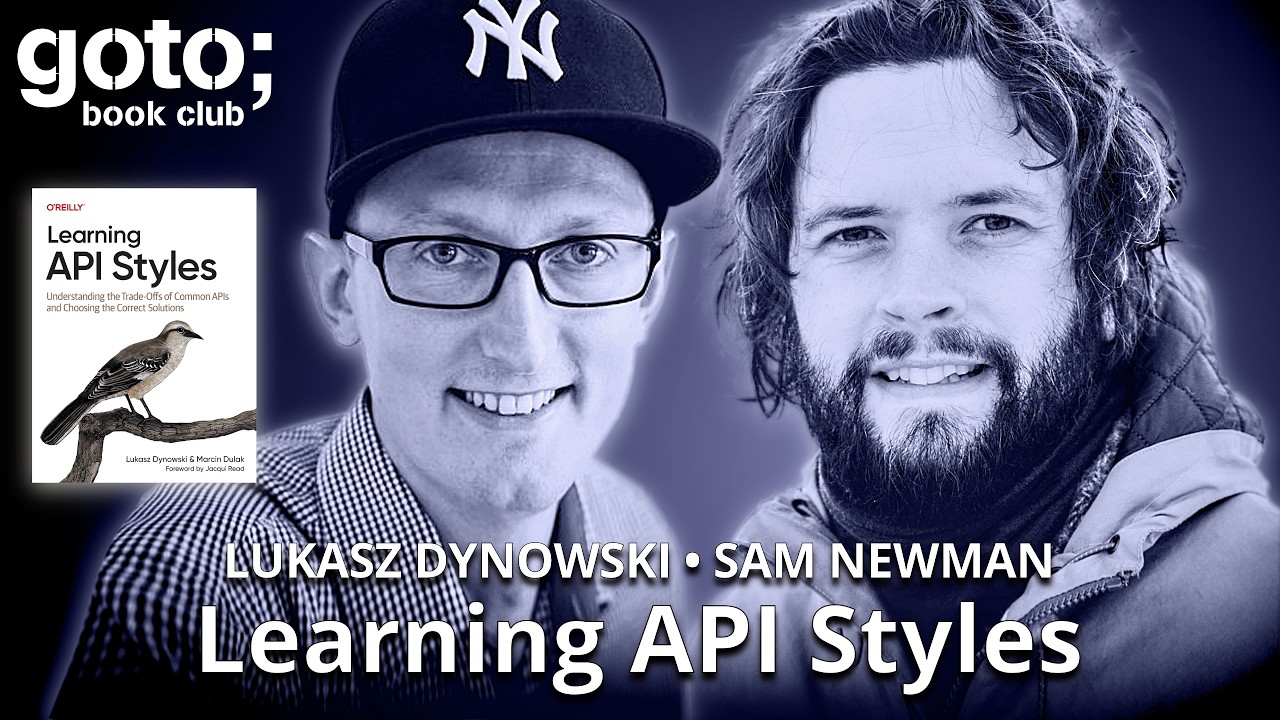
Learning API Styles • Lukasz Dynowski & Sam Newman • GOTO 2026

Learning API Styles • Lukasz Dynowski & Sam Newman • GOTO 2026

This GOTO Book Club episode features an in-depth conversation between Sam Newman and Lukasz Dynowski, co-author of "Learning API Styles," exploring the foundational network layer of APIs, various API styles, critical trade-off decisions, and future trends like WebTransport and gRPC. The discussion emphasizes treating APIs as products, understanding consumer context, and the eight key characteristics of a well-designed API, complemented by a cautionary tale on database access.

W&B Models end-to-end demo

W&B Models end-to-end demo

W&B Models is the system of record for the entire model development lifecycle. This guide explores how to monitor training, tune hyperparameters, track artifacts and lineage for reproducibility, and automate MLOps workflows like evaluation and deployment using a central platform.

The AI-Native Notebook That Thinks Like a Spreadsheet

The AI-Native Notebook That Thinks Like a Spreadsheet

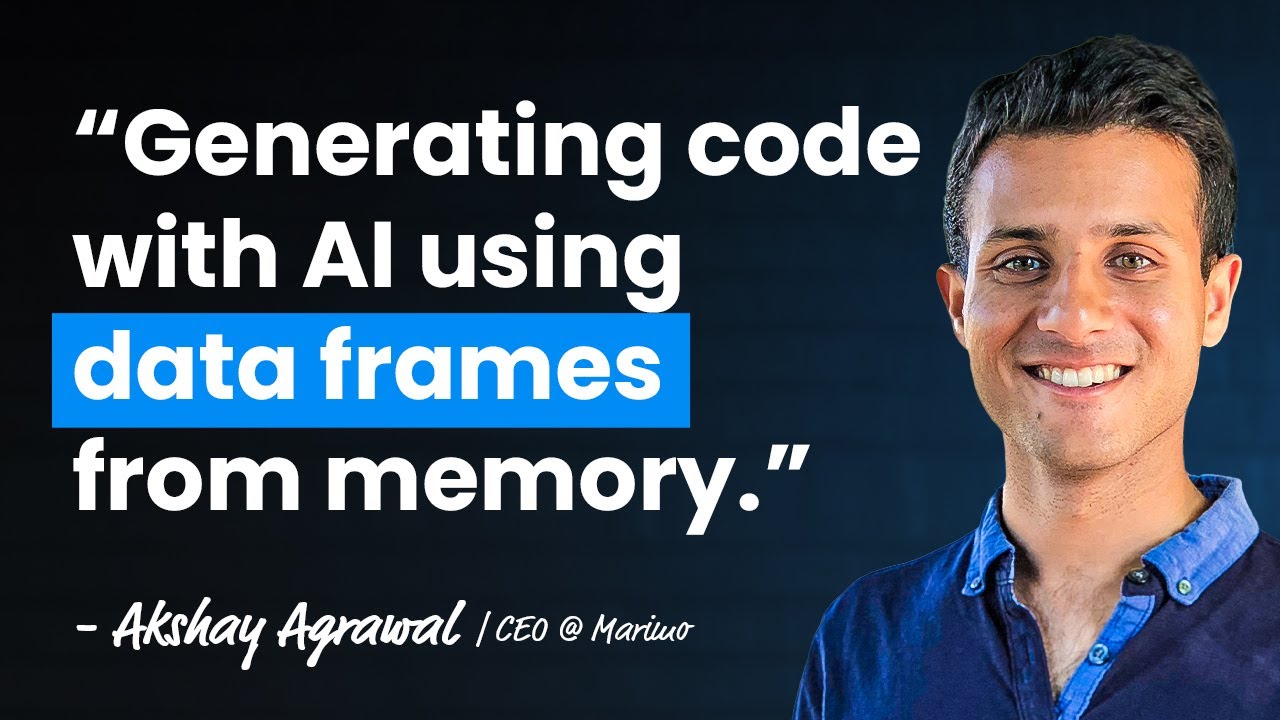
Akshay Agrawal, CEO of Marimo, discusses how Marimo addresses the critical flaws of traditional notebooks like Jupyter. He explains its reactive architecture, the benefits of storing notebooks as pure Python files for version control and reusability, and its AI-native features that leverage runtime context for more intelligent LLM-assisted coding.

911: The Future of Python Notebooks is Here — with Marimo’s Dr. Akshay Agrawal

911: The Future of Python Notebooks is Here — with Marimo’s Dr. Akshay Agrawal

Software developer Akshay Agrawal discusses Marimo, a next-generation reactive notebook for Python designed to solve the reproducibility and workflow issues inherent in traditional notebooks. He explains how Marimo's reactivity, developer-friendly design, and ability to transform into a data app create a seamless environment for exploration and deployment.

LLMOps for eval-driven development at scale

LLMOps for eval-driven development at scale

Mercari's engineering team shares their practical, evaluation-centric approach to LLMOps. Learn how they leverage tiered evaluations, strategic tooling for observability, and rapid iteration to productionize LLM features for over 23 million users, emphasizing that good 'evals' are often more critical than model fine-tuning or RAG.