Open source ai

The State of AI: Models, Moats, and the Consumer Renaissance

The State of AI: Models, Moats, and the Consumer Renaissance

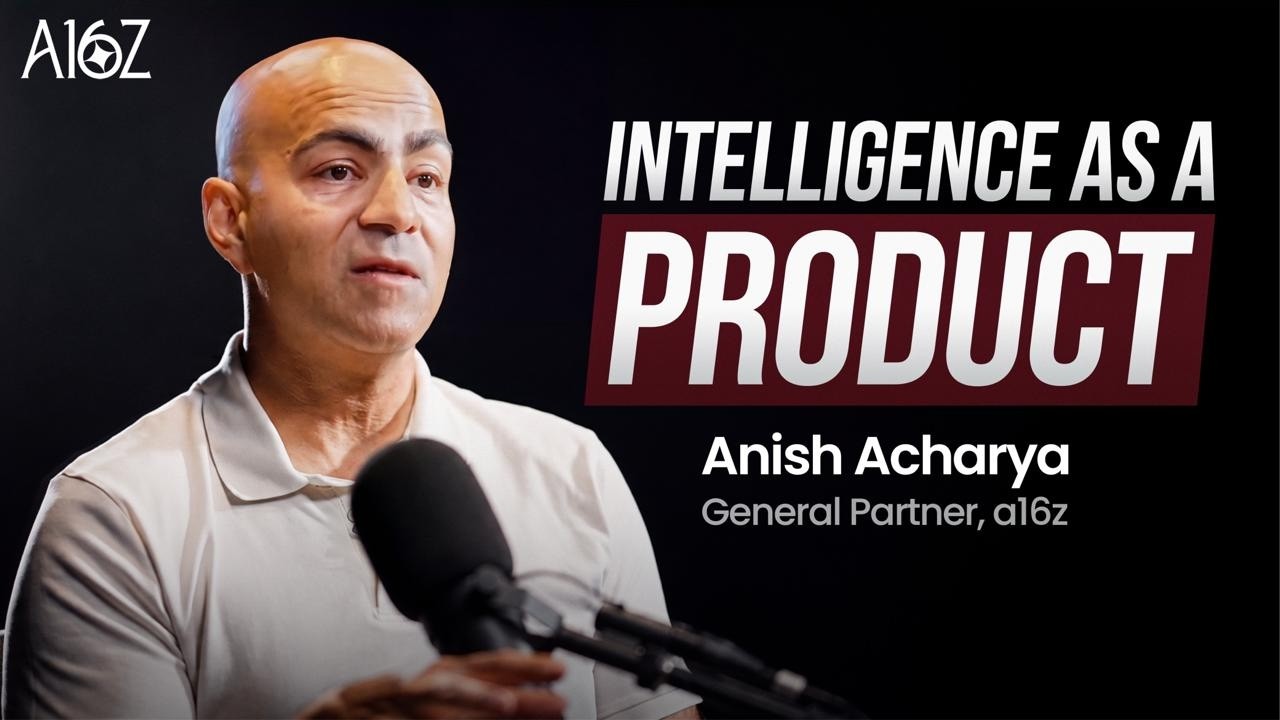
Anish Acharya and Jen Kha delve into the evolving AI landscape, dissecting the model layer with its emerging multiple winners and the strategic choice between frontier and open-weight models. They explore how the application layer captures value through model aggregation and specialization, ultimately ushering in a renaissance for consumer AI with personal agents, coding tools, and new economic models, urging founders to think big.

Stripe buys OpenRouter, Ramp’s AI Index & IBM’s OpenAI deal

Stripe buys OpenRouter, Ramp’s AI Index & IBM’s OpenAI deal

This episode explores the dynamic landscape of the AI industry, dissecting IBM's strategic alliance with OpenAI for enterprise AI integration, Stripe's acquisition of OpenRouter to capitalize on AI token routing, and insights from Ramp's AI Index revealing evolving AI spend and the rise of open-source models. It highlights the shift from model-centric to infrastructure and governance-centric AI, and touches on the ethical implications of AI-drafted legislation.

Michael Kratsios: Inside the White House's AI Strategy

Michael Kratsios: Inside the White House's AI Strategy

Michael Kratsios, from Scale AI and the White House, discusses US AI policy, advocating for open-source AI, flexible regulation, and supporting startups against incumbent moats. He outlines the White House's vision for AI-driven scientific discovery and the future focus on Quantum Information Science, while urging Congress to legislate on preemption and IP. He concludes with a call for technologists to engage in public service.

IBM’s cloud collab, Meta’s Muse Glimmer & OpenAI’s upcoming Astra model

IBM’s cloud collab, Meta’s Muse Glimmer & OpenAI’s upcoming Astra model

This episode explores IBM's massive AI infrastructure partnership with Together AI and NVIDIA, Meta's open-source Muse Glimmer model enabling powerful on-device AI, and OpenAI's delayed Astra model due to critical cybersecurity capabilities. Discussions cover the economics of industrial-scale AI, the implications of local vs. cloud AI, and the profound security challenges and opportunities presented by both open and closed frontier models.

How Open Source Became AI's Backbone | Inferact with a16z

How Open Source Became AI's Backbone | Inferact with a16z

Simon Mo, CEO of Inferact and lead maintainer of vLLM, discusses how open-source AI, exemplified by vLLM, transformed into critical infrastructure. The conversation highlights the technical complexities of serving LLMs, the evolving economics and licensing of open-weight models, the need for control over guardrails, and the rapidly disappearing capability gap between open and proprietary AI.

40 Trillion Tokens a Day (Yes, More Than OpenAI) | Lin Qiao, CEO of Fireworks

40 Trillion Tokens a Day (Yes, More Than OpenAI) | Lin Qiao, CEO of Fireworks

Lin Qiao, CEO of Fireworks, discusses why specialized AI models built on private company data are the future, contrasting them with general-purpose models. She argues for "open intelligence," revealing Fireworks processes over 40 trillion tokens daily from customized models, more than OpenAI's API. Qiao emphasizes the economic and strategic imperative for companies to own their specialized intelligence, advocating for open-sourcing by frontier labs like OpenAI and Anthropic, while detailing Fireworks' proprietary, quality-obsessed platform for tailored AI solutions.