Observability

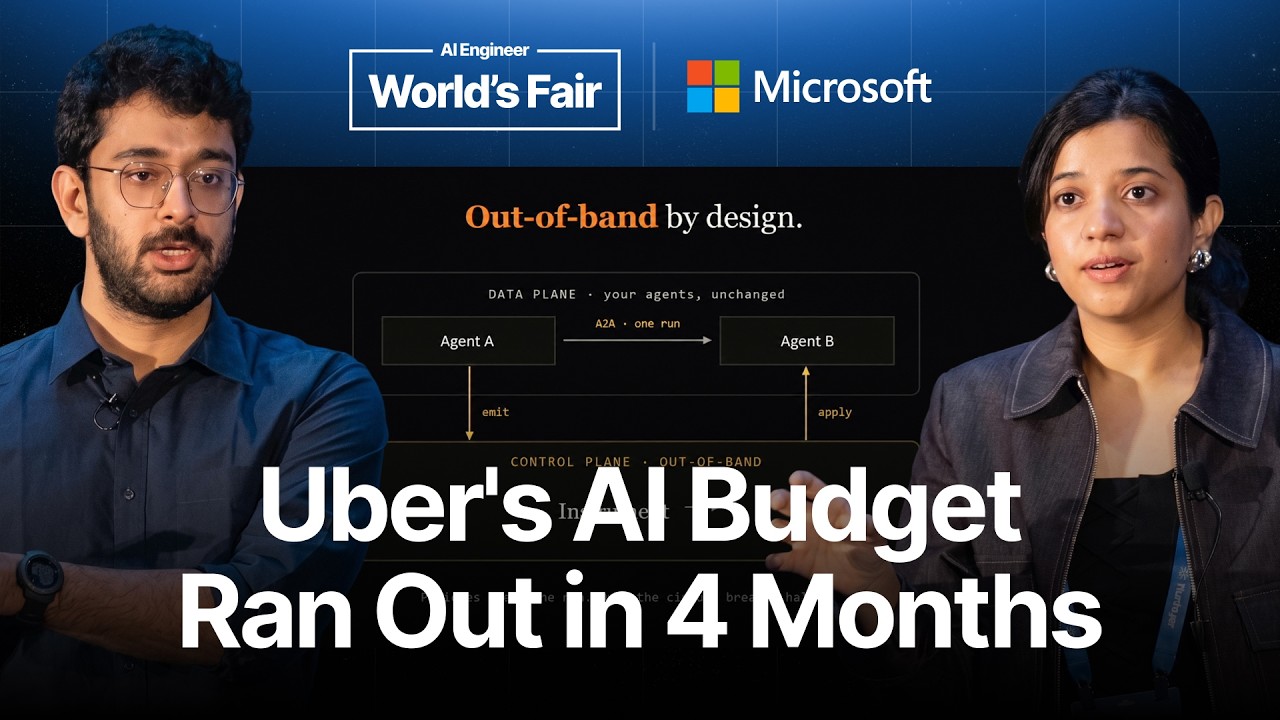
FinOps for AI Agents: Who Spent All the Tokens? — Tisha Chawla & Susheem Koul, Microsoft

FinOps for AI Agents: Who Spent All the Tokens? — Tisha Chawla & Susheem Koul, Microsoft

TokenOps introduces a novel control plane for managing AI agent costs, shifting from simple throttling to proactive steering. By integrating an out-of-band system that annotates agent methods and provides a policy-driven governor, TokenOps can dynamically modify agent behavior—like making outputs more succinct—to reduce token consumption and prevent runaway loops. This approach significantly cuts average spend (78%) and dramatically improves run completion rates (from 67% to 96%) compared to traditional halting mechanisms, offering granular, attributable cost control for the agentic era.
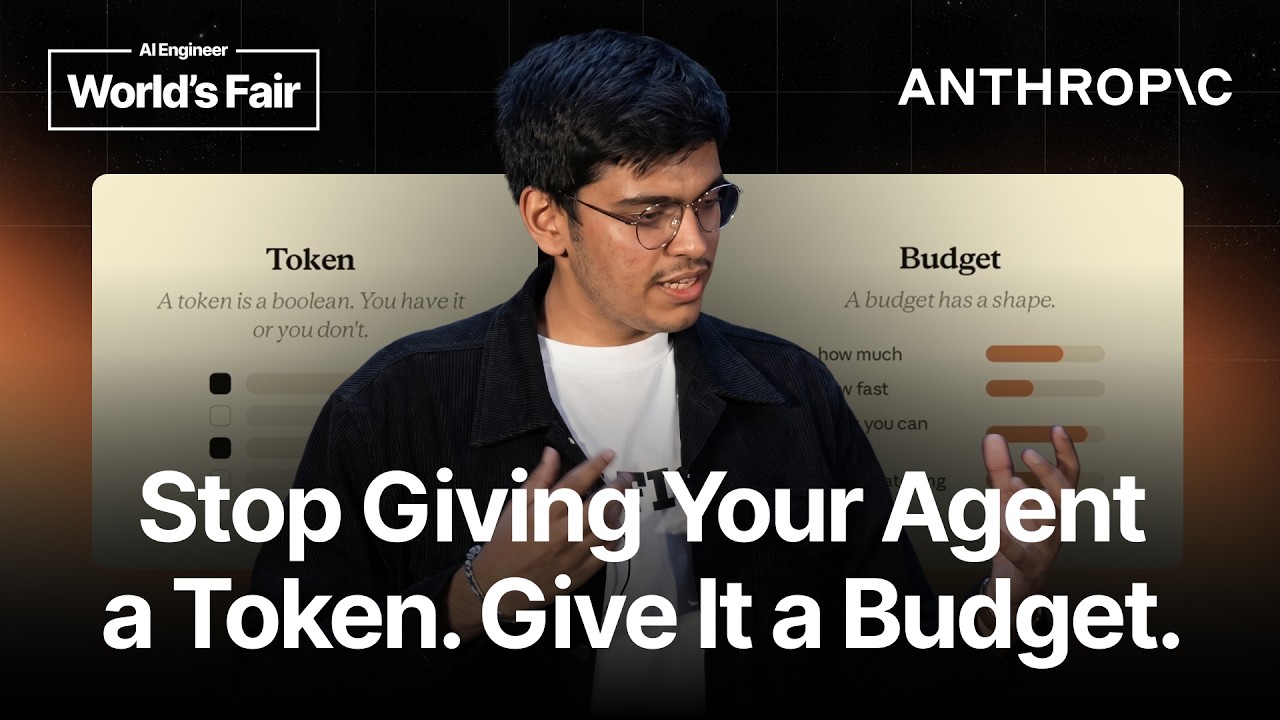
Give the Agent a Budget, Not a Token — Sachin Malhotra, Anthropic

Give the Agent a Budget, Not a Token — Sachin Malhotra, Anthropic

Sachin Malhotra's talk outlines a critical framework for safely deploying autonomous agents in production, moving beyond simple token-based access. He introduces 'asymmetric verbs,' refilling 'rate limits,' 'trip wires' for aggregate monitoring, and the 'undo test' as a lens. A central tenet is that infrastructure (via a proxy) must stamp an agent's identity, preventing agents from circumventing controls and ensuring accountability, thus providing a "budget" instead of an unbounded "token."

Building Agents Is Trivial Now, Context Is the Next Frontier — Jeff Ng, Unblocked

Building Agents Is Trivial Now, Context Is the Next Frontier — Jeff Ng, Unblocked

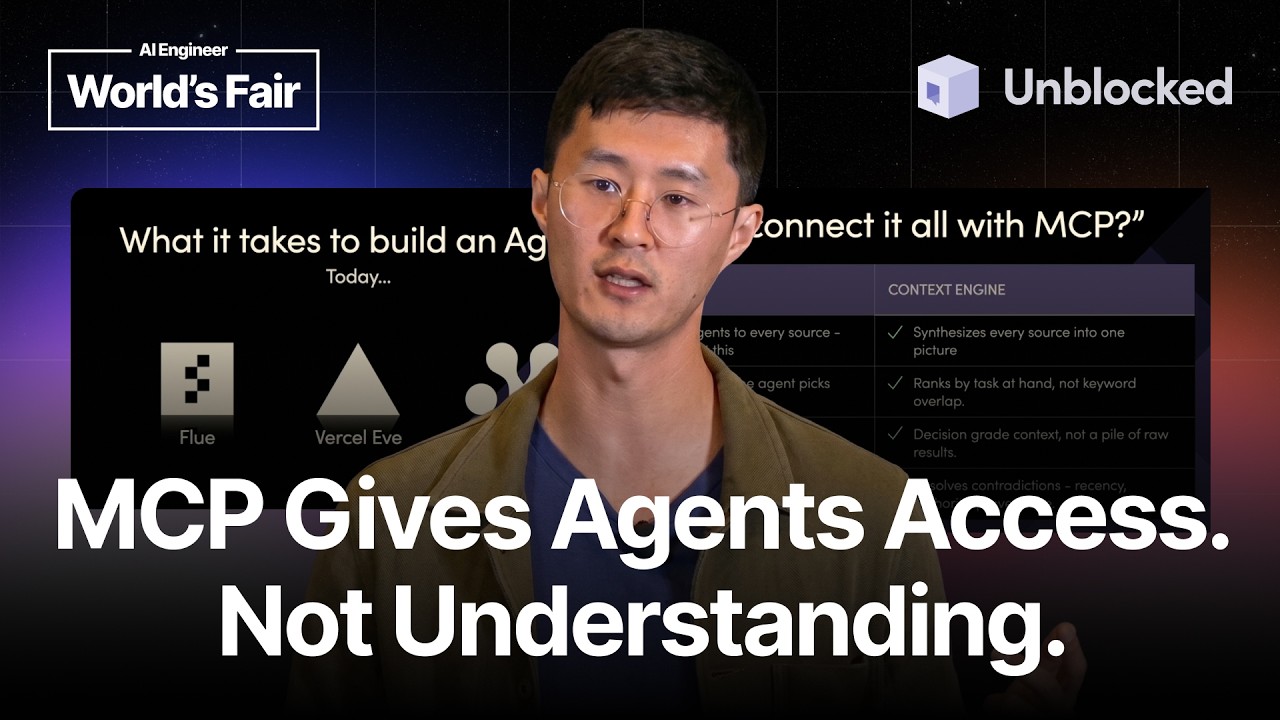
Building AI agents is now easier than ever, but they frequently make confident yet incorrect decisions. This is because agents often lack critical context that humans provide, such as historical discussions, postmortems, and tribal knowledge. The solution proposed is a 'context engine' that synthesizes and grounds information from across an organization's documents, code, tickets, and conversations, providing agents with a holistic and reconciled view, thus bridging the 'context gap' that current LLMs often miss.

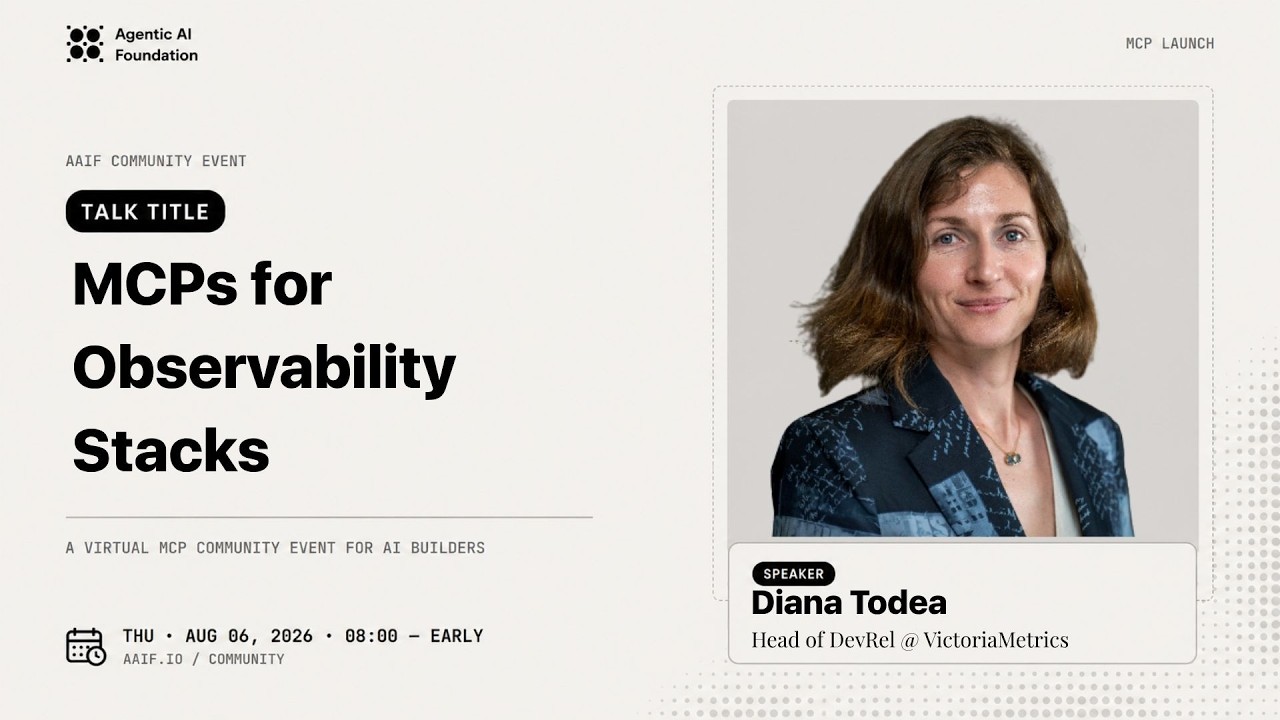
MCPs for Observability Stacks

MCPs for Observability Stacks

Diana Todea, Head of Developer Relations at VictoriaMetrics, demonstrates how Model-Controller-Pair (MCP) servers enhance observability stacks for faster, smarter troubleshooting. She highlights the use of AI-driven anomaly detection, natural language querying, and customizable "skills" to investigate production issues, manage metrics, and generate alerts, showcasing practical applications with two interconnected MCP servers.

Reading Group July 2026 - Loop Engineering

Reading Group July 2026 - Loop Engineering

This session provides an in-depth exploration of Loop Engineering, a paradigm shift from manual AI prompting to designing autonomous systems that orchestrate AI agents. Speakers share practical experiences, from building production-grade platforms with automated code generation and adversarial AI reviews to experimental loop structures and foundational infrastructure layers. Key discussions address challenges like managing token costs, preventing agent chaos, and implementing robust verification mechanisms for industrializing software development.

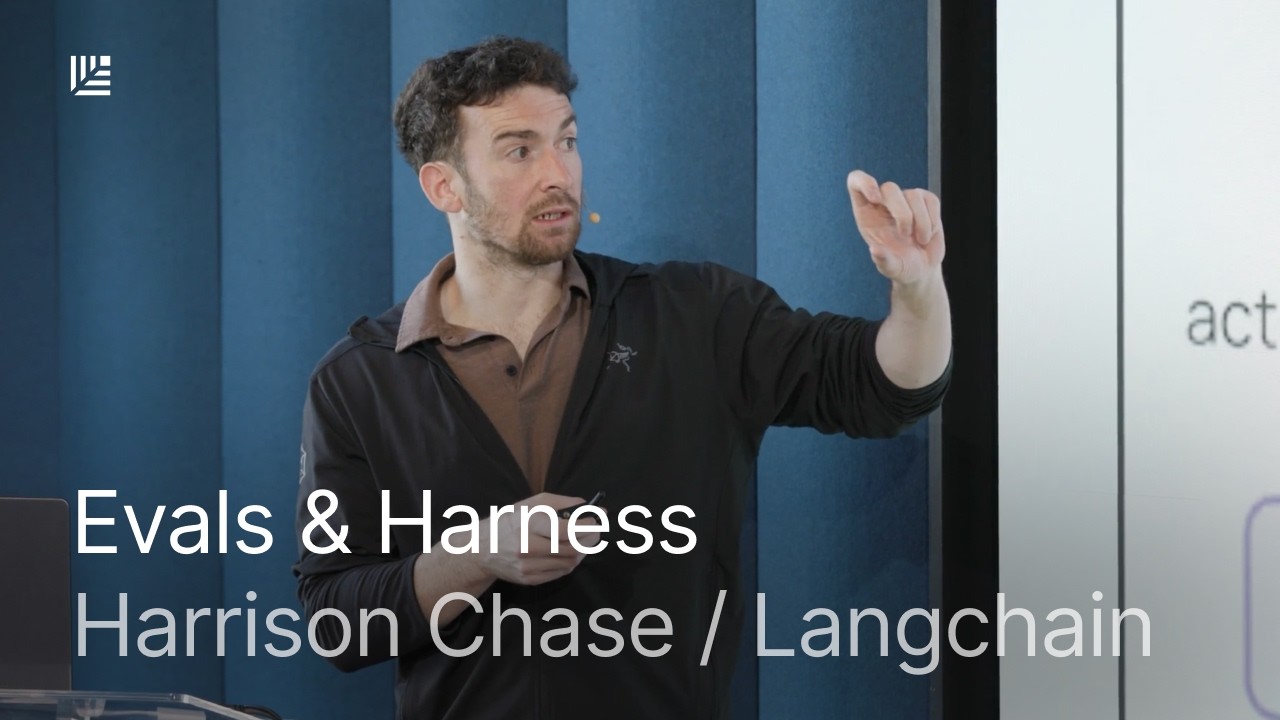
When to Build Your Own Agent Harness | Harrison Chase, LangChain

When to Build Your Own Agent Harness | Harrison Chase, LangChain

Harrison Chase, co-founder of LangChain, delves into the critical role of the 'harness' in LLM agents, explaining how it orchestrates models and context. He covers customizing harnesses with middleware and sub-agents, the trade-offs between off-the-shelf and custom solutions for in- and out-of-distribution tasks, and the importance of evaluations and observability for continuous agent improvement. The discussion culminates in the 'data flywheel' concept and the `LangSmith Engine` for automating agent intelligence through iterative refinement.