Model distillation

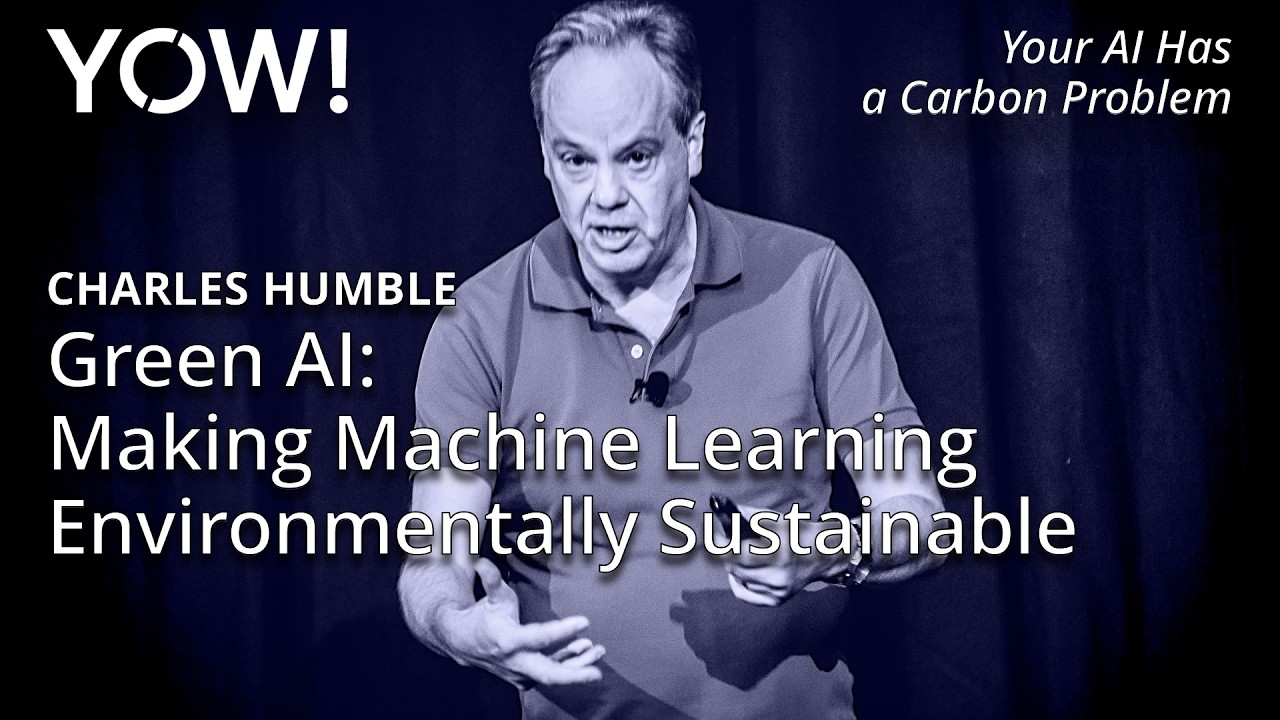
Green AI: Making Machine Learning Environmentally Sustainable • Charles Humble • YOW! 2025

Green AI: Making Machine Learning Environmentally Sustainable • Charles Humble • YOW! 2025

Charles Humble explores the significant environmental impact of AI, particularly generative AI, on global carbon emissions. He offers practical, actionable strategies across the entire AI lifecycle—from project planning and data collection to training and deployment—to reduce this footprint. Key recommendations include questioning the necessity of AI solutions, choosing open-source models, leveraging carbon-aware computing for demand shifting, employing model compression techniques like distillation and quantization, and integrating sustainability as a fundamental architectural principle in software engineering.
Is Fine-Tuning Still Needed? LLMs, RAG, & LoRA

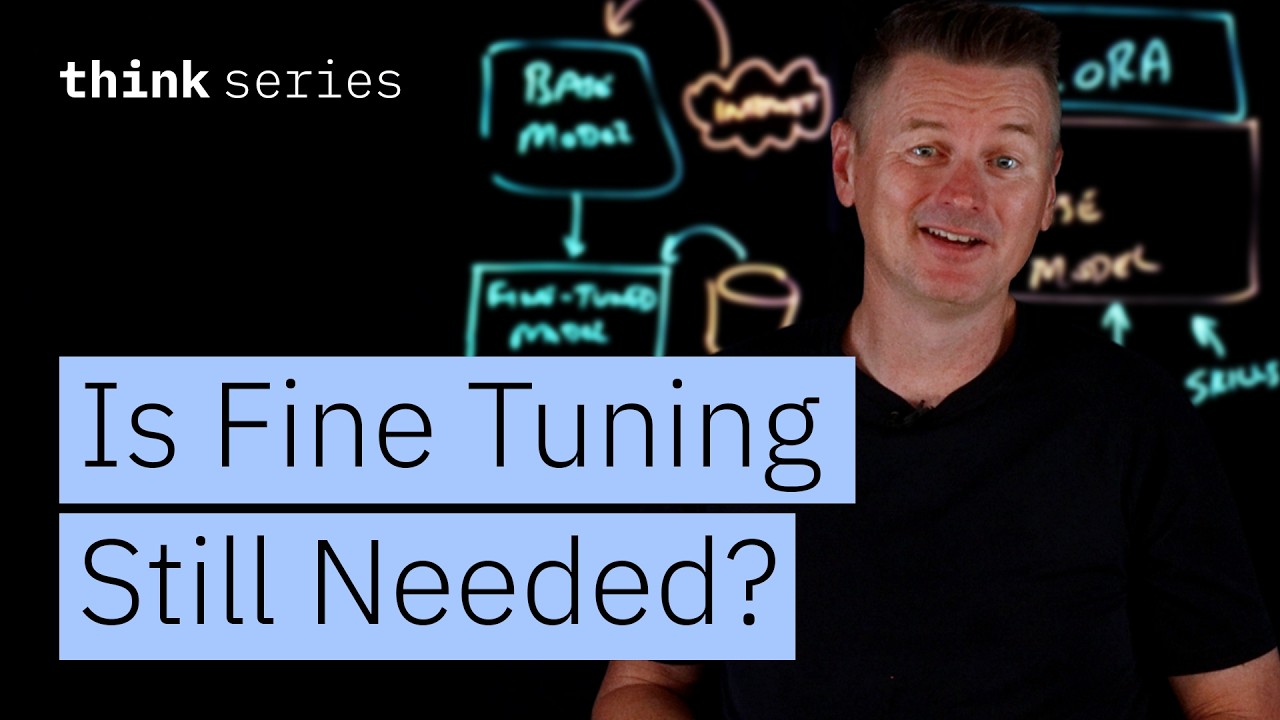
Is Fine-Tuning Still Needed? LLMs, RAG, & LoRA

This summary explores the evolving role of fine-tuning in modern AI workflows, comparing it with advanced techniques like RAG, LoRA, and enhanced generative AI capabilities. It discusses the historical benefits, current limitations due to rapidly advancing frontier models, and outlines a practical decision framework for customizing machine learning models and designing efficient AI systems.

The State of Frontier Post-Training Recipes | Conversation with Finbarr Timbers

The State of Frontier Post-Training Recipes | Conversation with Finbarr Timbers

This discussion with Finbarr Timbers reviews the evolution of frontier post-training recipes, highlighting the shift from simpler SFT-DPO-RL to complex multi-teacher on-policy distillation (MOPD). It covers the organizational challenges of building models like Olmo, the rise of synthetic data and reasoning-focused RL in DeepSeek, and the complexities of integrating expert teachers, while also exploring open questions on environments, specialized APIs, and career strategies in the rapidly changing AI landscape.

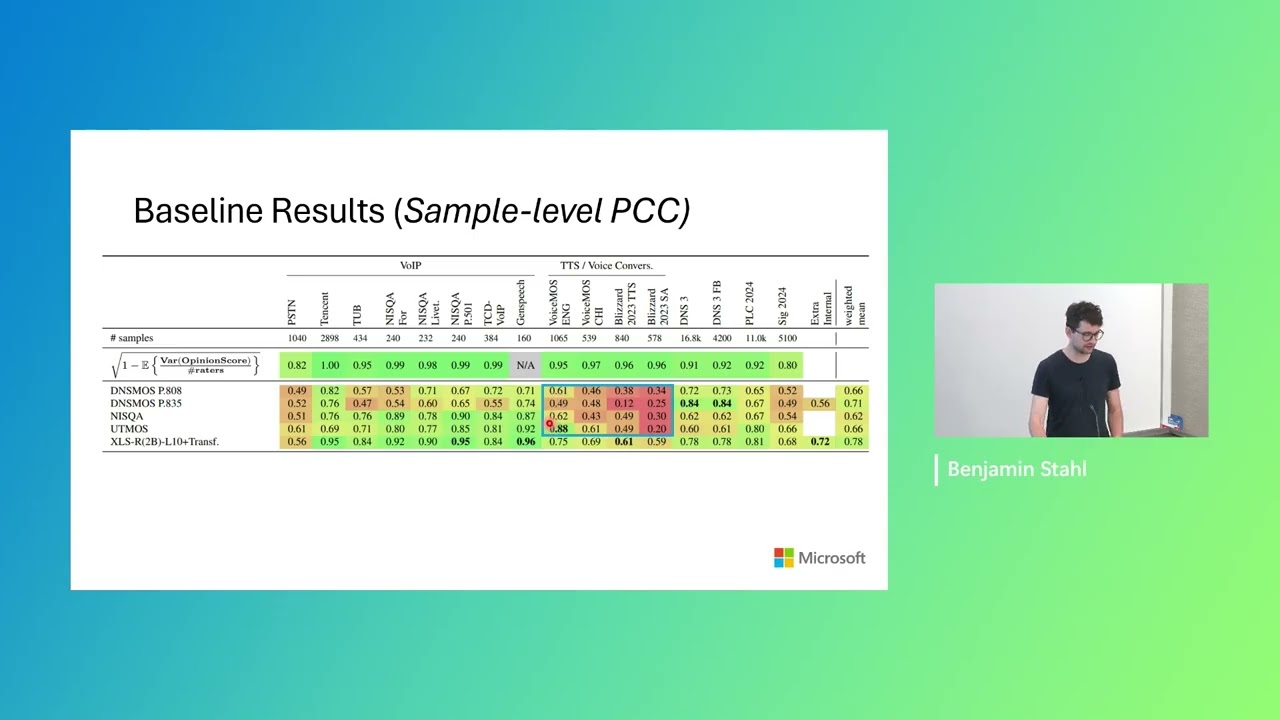
Intern talk: Distilling Self-Supervised-Learning-Based Speech Quality Assessment into Compact Models

Intern talk: Distilling Self-Supervised-Learning-Based Speech Quality Assessment into Compact Models

This research explores the distillation and pruning of large, self-supervised speech quality assessment models into compact and efficient versions. Starting with the high-performing but large XLSR-SQA model, the work details a process of knowledge distillation using a teacher-student framework with a diverse, on-the-fly generated dataset. The resulting compact models successfully close over half the performance gap to the teacher, making them suitable for on-device and production applications where model size is a critical constraint.