Mlops

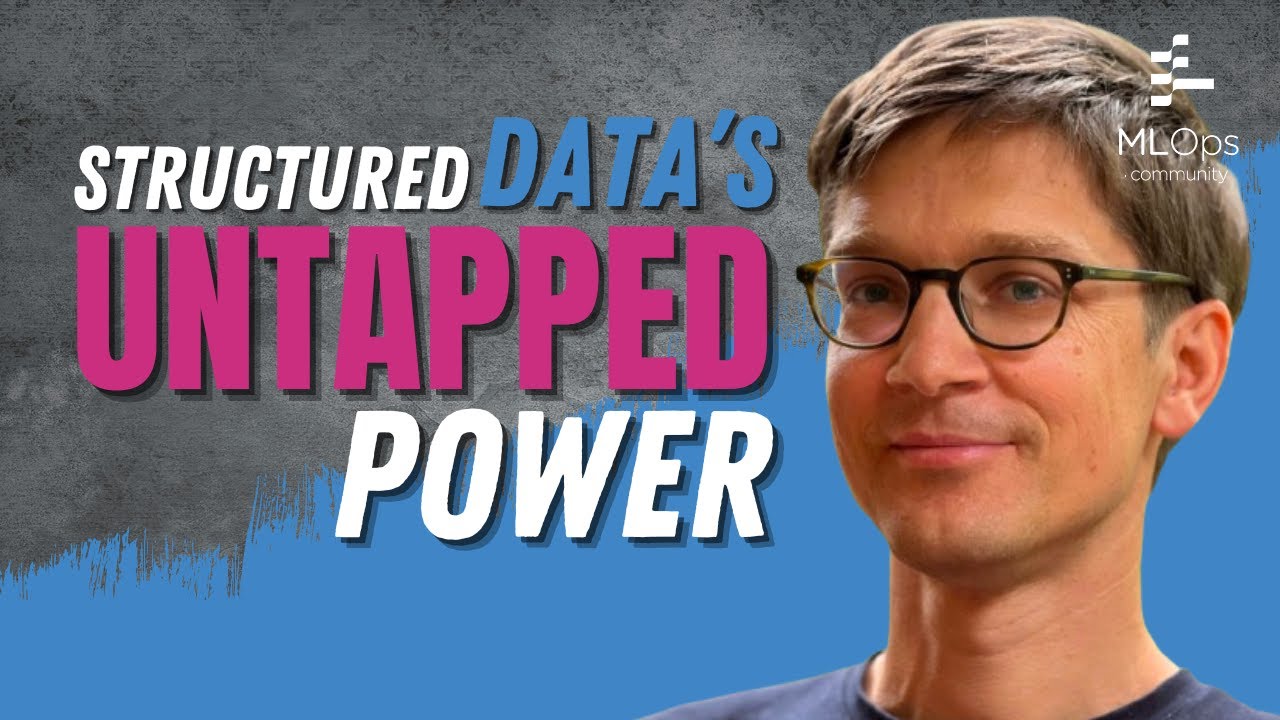
Graph Neural Networks Just Solved Enterprise AI?

Graph Neural Networks Just Solved Enterprise AI?

Jure Leskovec introduces Relational Foundation Models (RFMs), a new class of models based on graph neural networks that learn directly from raw, multi-table enterprise data. This approach bypasses manual feature engineering, leading to more accurate, faster-to-deploy, and easier-to-maintain predictive models for tasks like churn prediction, fraud detection, and recommendation systems.
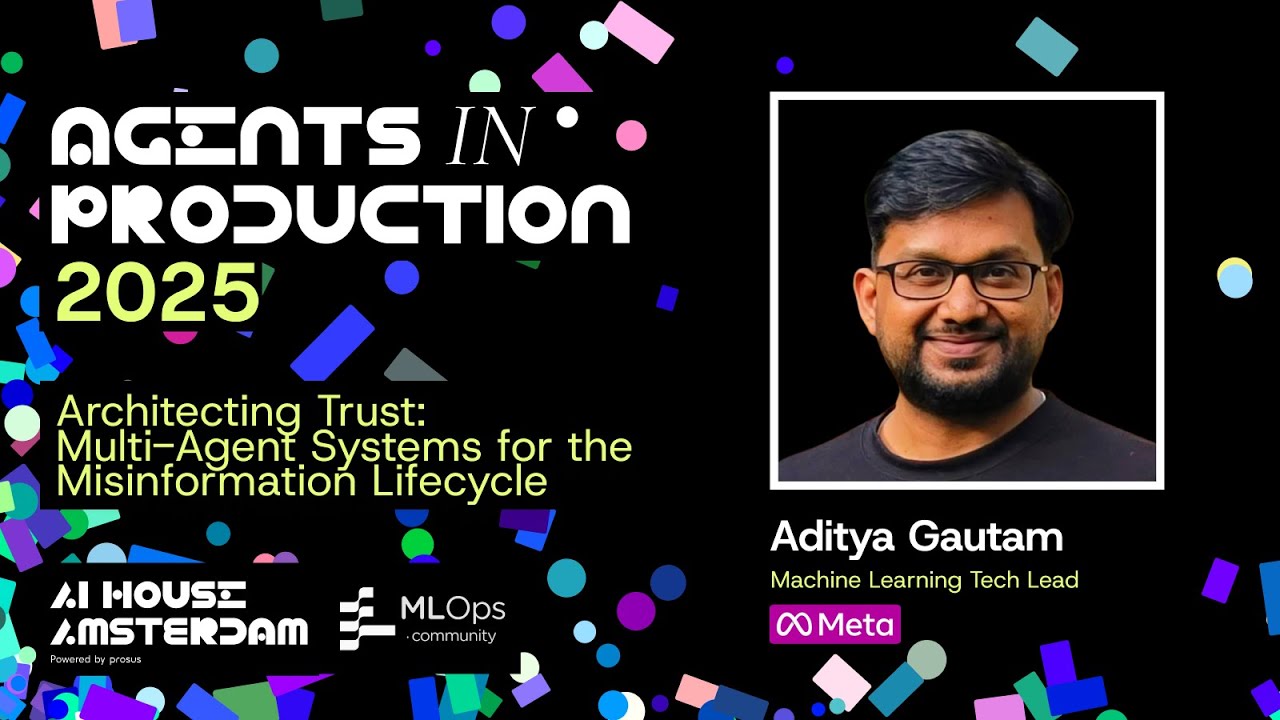
Multi-Agent Systems for the Misinformation Lifecycle

Multi-Agent Systems for the Misinformation Lifecycle

A detailed overview of a modular, five-agent system designed to combat the entire lifecycle of digital misinformation. Based on an ICWSM research paper, this practitioner's guide details the roles of the Classifier, Indexer, Extractor, Corrector, and Verifier agents. The system emphasizes scalability, explainability, and high precision, moving beyond the limitations of single-LLM solutions. The talk covers the complete blueprint, from agent coordination and MLOps to holistic evaluation and optimization strategies for production environments.

Enterprise AI Operations: The Missing Piece

Enterprise AI Operations: The Missing Piece

Rani Radhakrishnan, Principal at PwC, discusses the convergence of MLOps and IT operations, the practicalities of deploying AI agents, and the strategic considerations for scaling and sustaining AI initiatives in the enterprise. The conversation covers the shift from experimentation to ROI, the importance of human-in-the-loop processes, and the evolving skillsets required for future-ready IT.

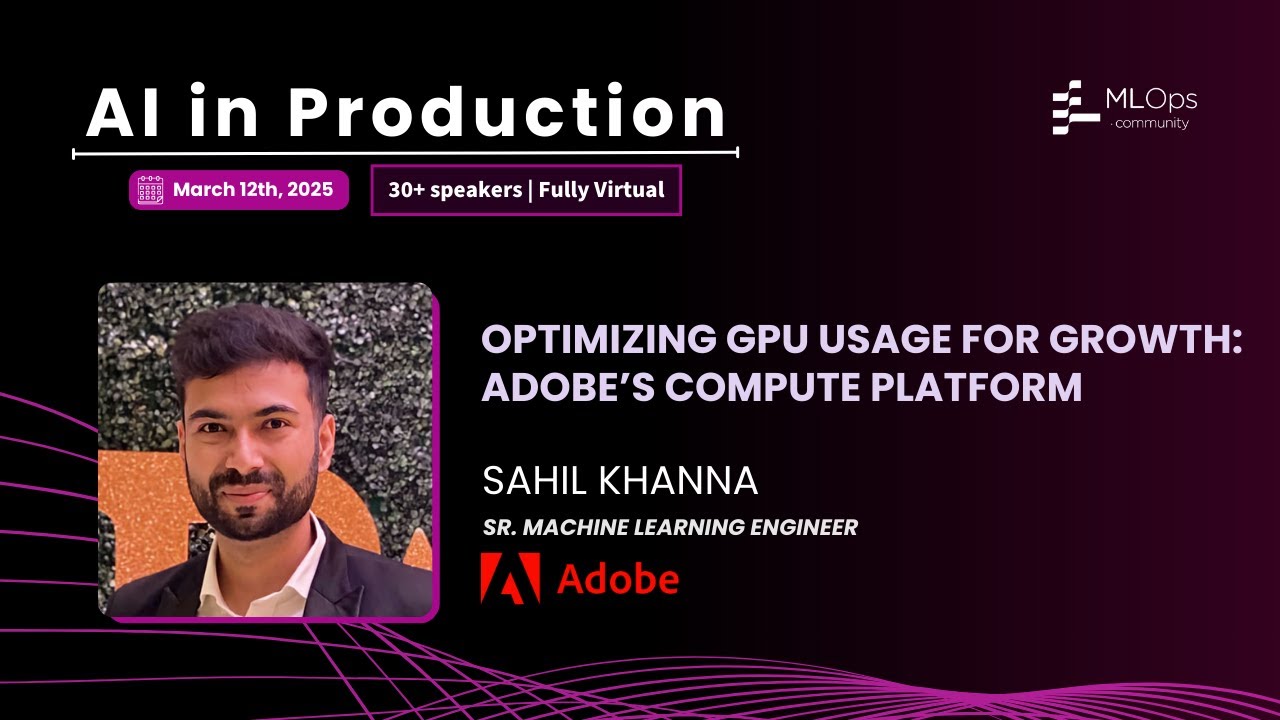
Accelerating Growth Through Optimizing GPU Usage // Sahil Khanna // AI in Production 2025

Accelerating Growth Through Optimizing GPU Usage // Sahil Khanna // AI in Production 2025

Adobe's journey in building a sophisticated AI Compute Platform to tackle the immense challenges of GPU optimization for training large-scale generative models like Firefly. The talk covers their custom-built solutions for resource management, developer productivity, and automated fault tolerance.

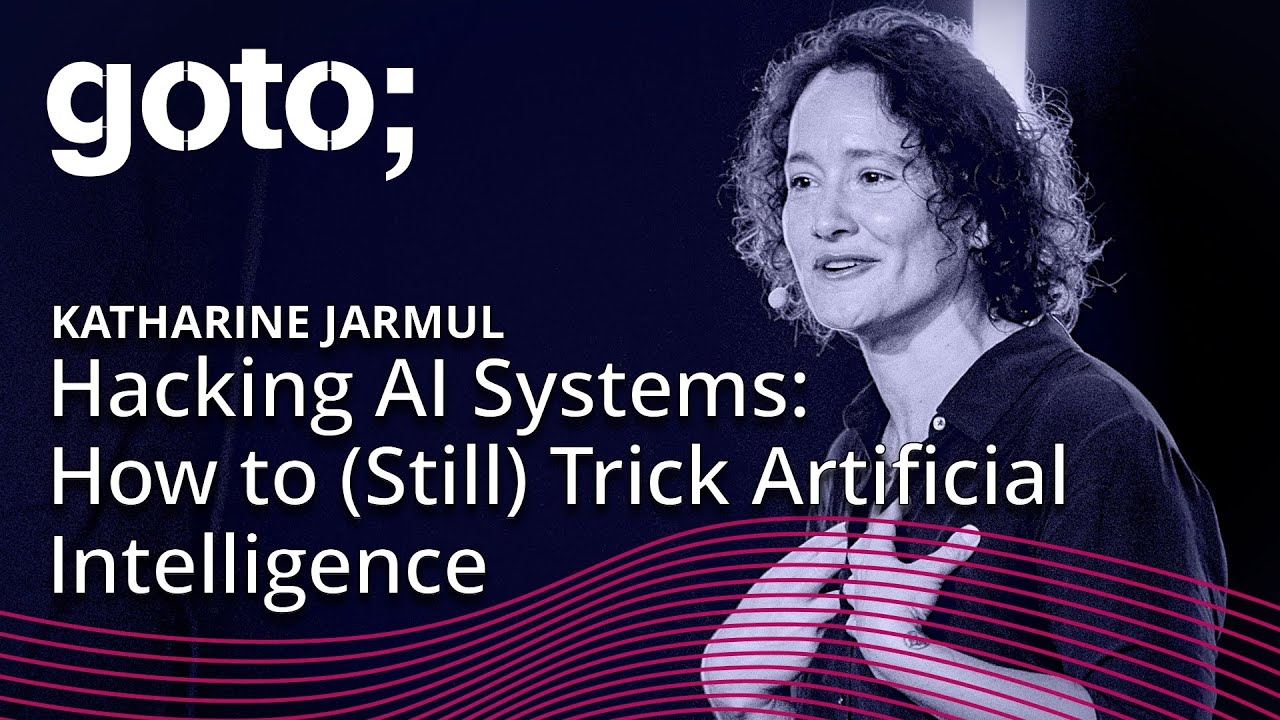
Hacking AI Systems: How to (Still) Trick Artificial Intelligence • Katharine Jarmul • GOTO 2025

Hacking AI Systems: How to (Still) Trick Artificial Intelligence • Katharine Jarmul • GOTO 2025

To build secure AI systems, we must first learn to break them. Katharine Jarmul explores the landscape of adversarial AI, detailing how attackers exploit fundamental weaknesses in deep learning models—from poisoned training data and overparameterization to the attention mechanism itself. This talk provides a practical taxonomy of attacks and a primer on building robust defenses.

The GPU Uptime Battle

The GPU Uptime Battle

Andy Pernsteiner, Field CTO of VAST Data, discusses the immense challenges of transitioning AI projects from prototype to production. He highlights the critical role of data infrastructure, the high cost of GPU downtime, and the necessity of building resilient, scalable platforms that can withstand real-world failures like power outages in massive data centers. The conversation emphasizes a shift in mindset towards empathy, better requirement gathering, and closer collaboration between data scientists and platform engineers to bridge the gap between development and operations.