MC p

Full Workshop: Build Your Own Deep Research Agents - Louis-François Bouchard, Paul Iusztin, Samridhi

Full Workshop: Build Your Own Deep Research Agents - Louis-François Bouchard, Paul Iusztin, Samridhi

This hands-on workshop details the construction of a sophisticated, dual-part AI system for producing high-quality technical content. It begins with an MCP-powered deep research agent that autonomously plans, searches the web, and analyzes sources like YouTube to synthesize a grounded research artifact. The second part is a constrained, deterministic writing workflow that transforms this research into polished, non-sloppy content using an innovative "Evaluator-Optimizer" pattern for iterative refinement. The session emphasizes crucial AI engineering principles, such as choosing between agentic and workflow-based architectures, and concludes with a deep dive into implementing practical observability and evaluation pipelines to ensure the system is both measurable and improvable.
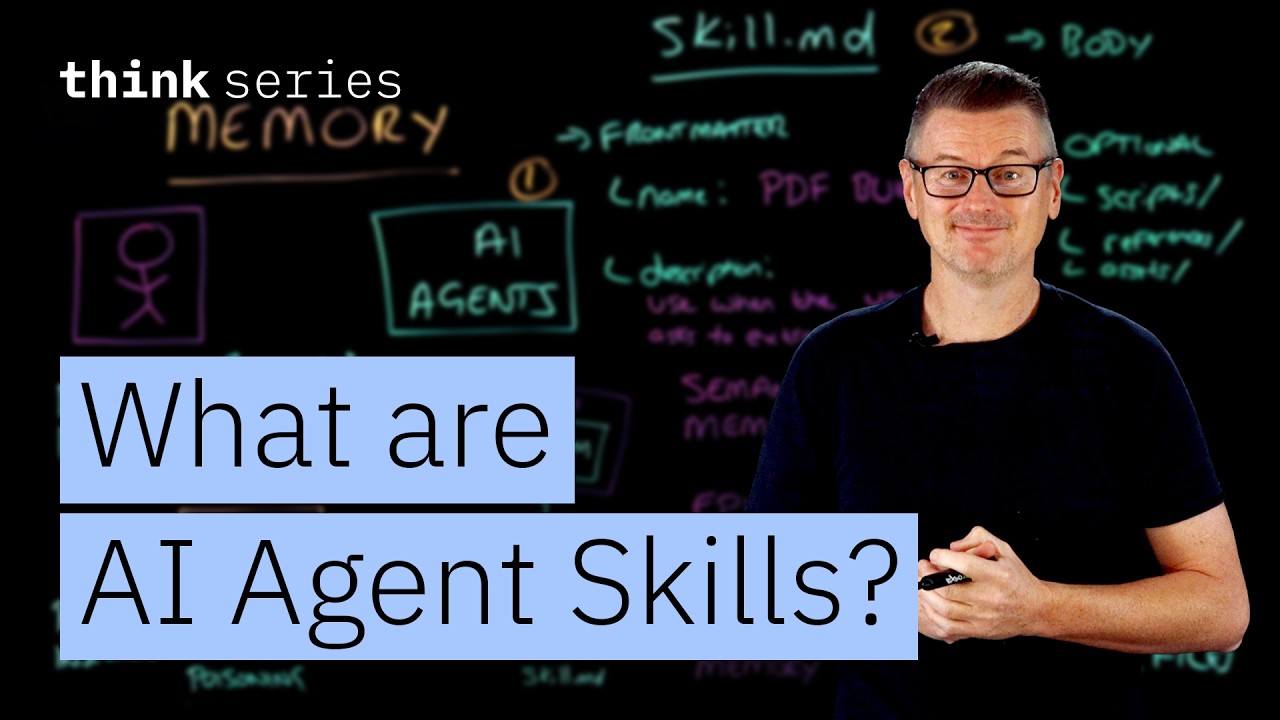
What AI Agent Skills Are and How They Work

What AI Agent Skills Are and How They Work

AI agents, powered by LLMs, excel at reasoning but lack the procedural knowledge required for real-world workflows. Martin Keen explains how the 'agent skills' open standard solves this by packaging step-by-step instructions, enabling agents to automate complex tasks efficiently and reliably.

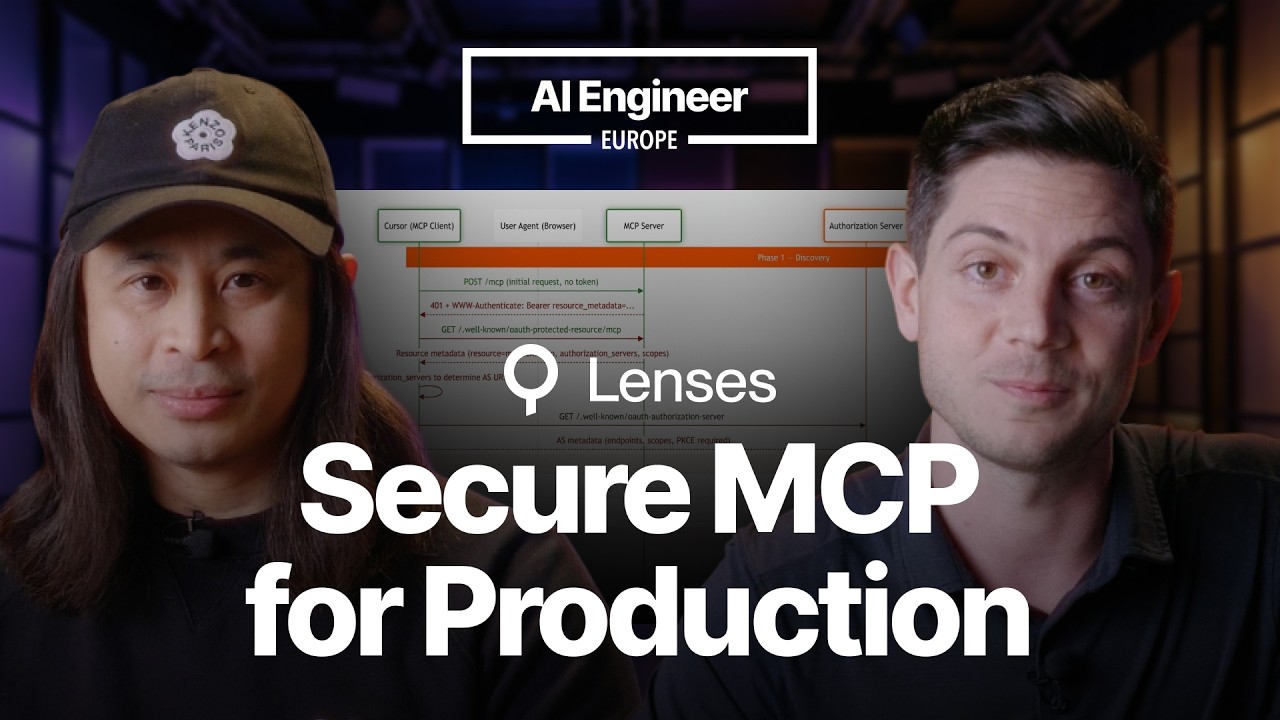
Your Insecure MCP Server Won't Survive Production — Tun Shwe, Lenses

Your Insecure MCP Server Won't Survive Production — Tun Shwe, Lenses

Lenses.io experts Tun Shwe and Jeremy Frenay discuss the significant security and design hurdles in transitioning Model Context Protocol (MCP) servers from local development to enterprise production. They introduce five core principles for secure agentic design, including shrinking the attack surface and constraining inputs, and detail the necessity of remote MCP servers with robust authentication. The talk provides an in-depth comparison of OAuth 2.1's Dynamic Client Registration (DCR) and the more secure Client ID Metadata Document (CIMD) approaches for managing agent identities, offering a roadmap for building enterprise-grade agentic AI systems with MCP.

A2A vs MCP: AI Agent Communication Explained

A2A vs MCP: AI Agent Communication Explained

Discover how A2A (Agent2Agent) and MCP (Model Context Protocol) solve critical challenges in AI agent ecosystems. A2A enables seamless communication and collaboration between diverse AI agents, while MCP standardizes an agent's access to external tools and data, fostering robust and interoperable AI workflows.

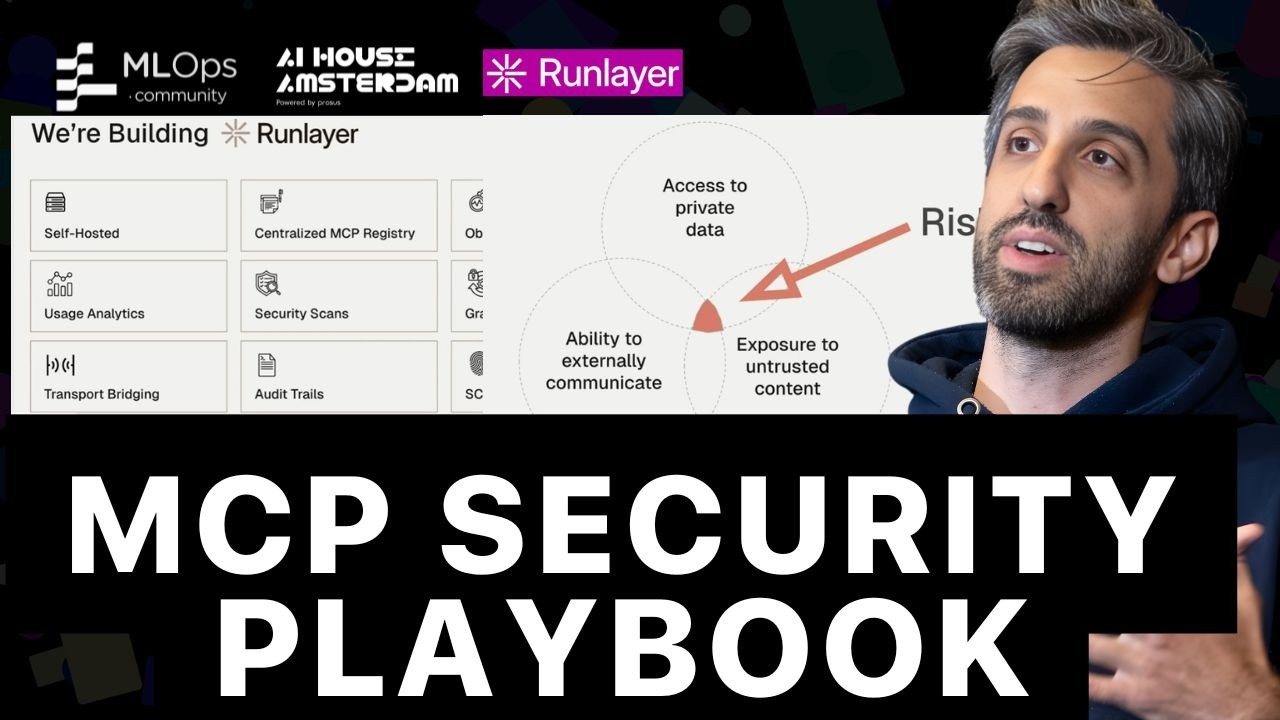
MCP Security: The Exploit Playbook (And How to Stop Them)

MCP Security: The Exploit Playbook (And How to Stop Them)

Vitor, co-founder of Runlayer and former tech lead for Zapier Agents, provides a deep dive into the security vulnerabilities of the rapidly adopted MCP standard for AI agents. He outlines the primary attack vectors, including sophisticated prompt injections, supply chain attacks like 'rug-pulls', and tool schema manipulation, using real-world exploits as examples. The talk concludes with a multi-layered defensive strategy for users, developers, and enterprises to secure their AI agent deployments.

You Asked About AI: Agents, Hacking & LLMs

You Asked About AI: Agents, Hacking & LLMs

An exploration of the evolving AI landscape, covering the paradigm shift in cybersecurity due to AI agents, the practicalities of running local LLMs with tools like Ollama and vLLM, and the emerging stack for agent-to-agent communication.