Mathematics

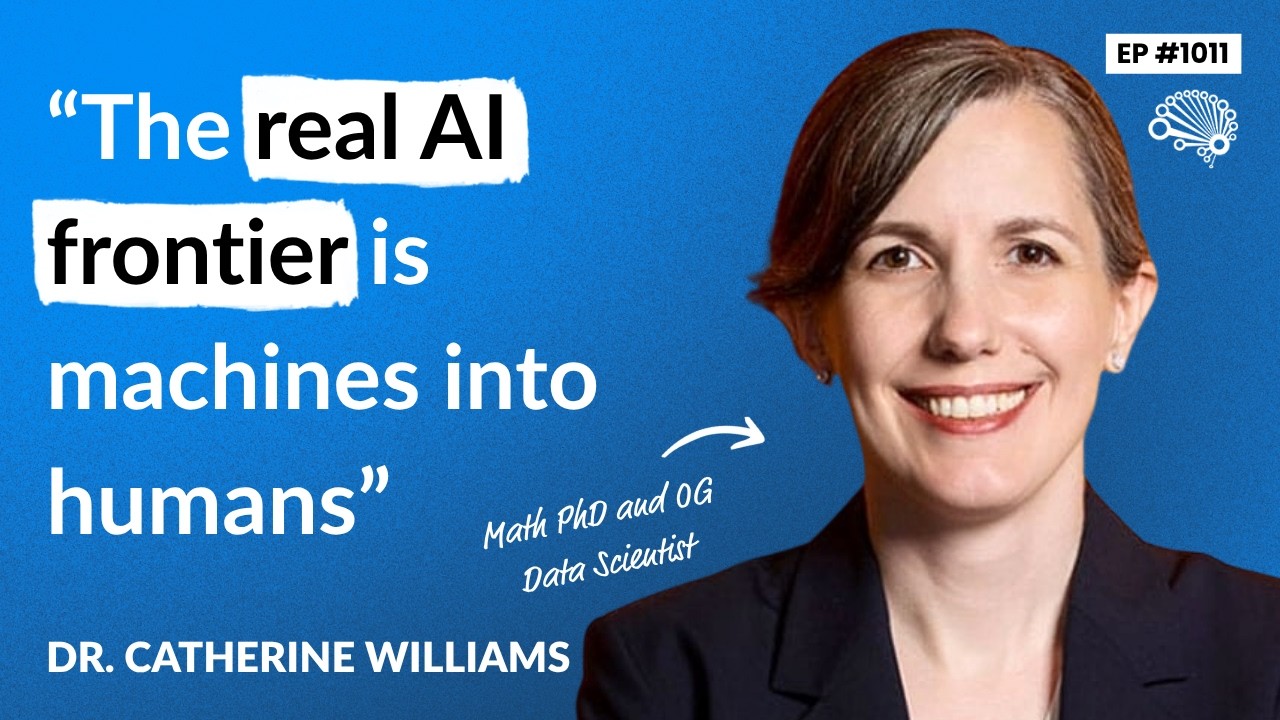
The Real AI Frontier Isn't Smarter Machines (with Catherine Williams)

The Real AI Frontier Isn't Smarter Machines (with Catherine Williams)

Dr. Catherine Williams, a former black-hole physicist and early data science leader, explores the field's evolution from Bayesian models to LLMs. She passionately argues that deep mathematical understanding and the ability to build robust mental models are more crucial than ever, even as AI automates technical tasks. Williams also discusses the impact of embeddings, the changing economics of frontier AI, and her work at the nonprofit Candid, advocating for a human-centric approach to intelligence in the age of AI.

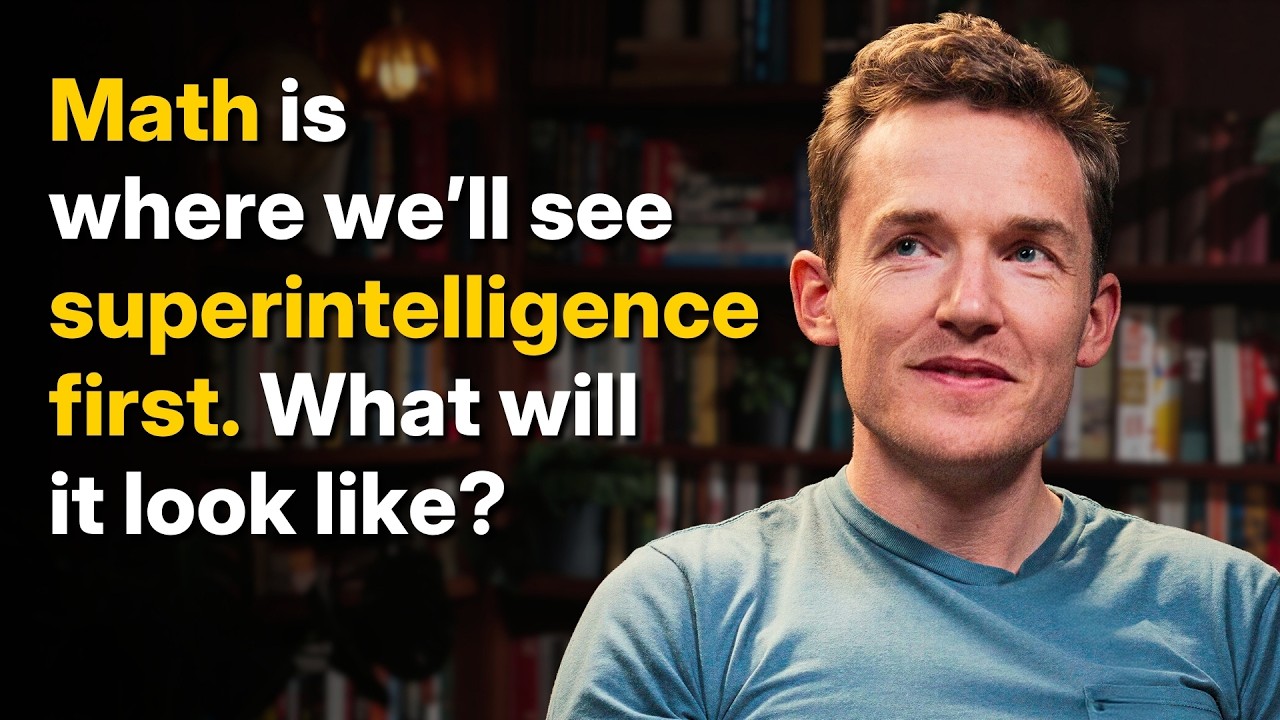
Grant Sanderson (@3blue1brown) – AI and the future of math

Grant Sanderson (@3blue1brown) – AI and the future of math

Grant Sanderson and Dwarkesh Patel discuss AI's rapid but uneven progress in mathematics, exploring whether AI can achieve true conceptual breakthroughs, the challenge of measuring creativity, and the long-term implications for human understanding and the future roles of mathematicians. They delve into the unique 'grindability' of math for AI training, the potential of formalization, and why AI currently struggles with 'theory of mind' in writing, offering advice for students navigating an AI-transformed world.

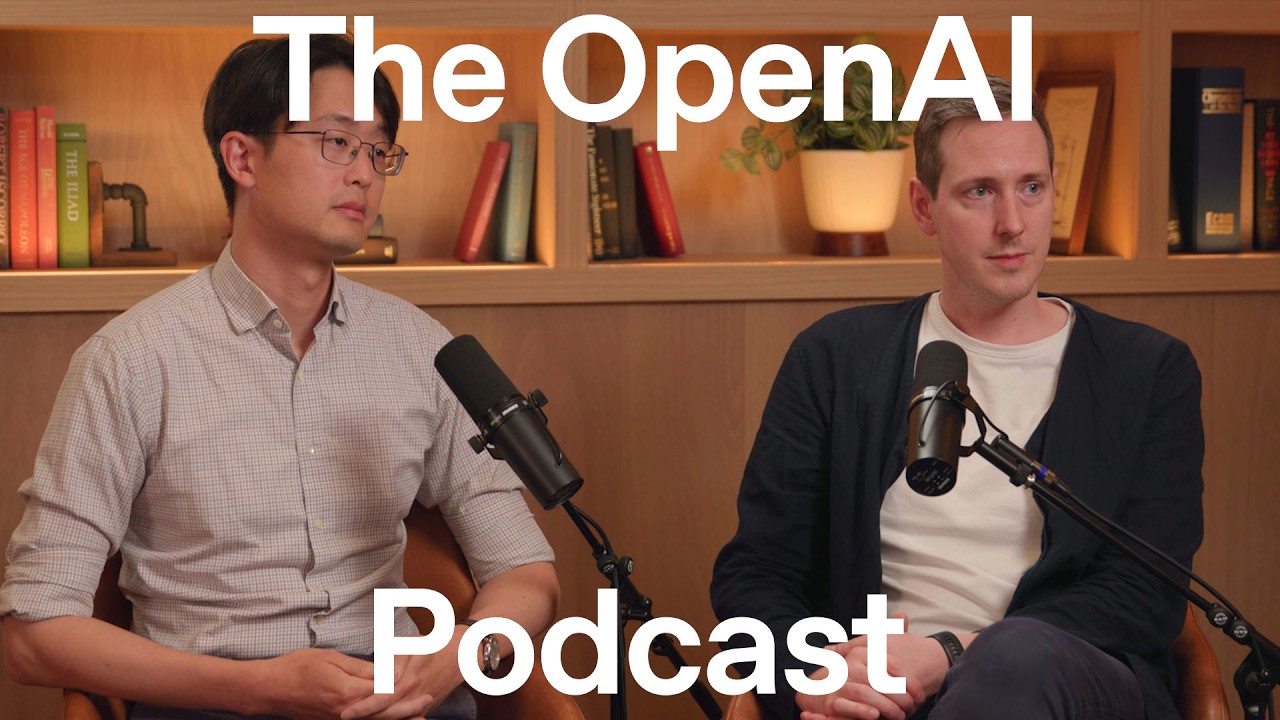
What happens now that AI is good at math? — the OpenAI Podcast Ep. 17

What happens now that AI is good at math? — the OpenAI Podcast Ep. 17

OpenAI researchers Sébastien Bubeck and Ernest Ryu discuss the dramatic and surprising progress of AI in mathematics. They cover how models went from basic arithmetic to solving Olympiad-level and even 40-year-old open research problems, what this progress means for the future of science and AGI, and the evolving role of human researchers in an era of AI-accelerated discovery.

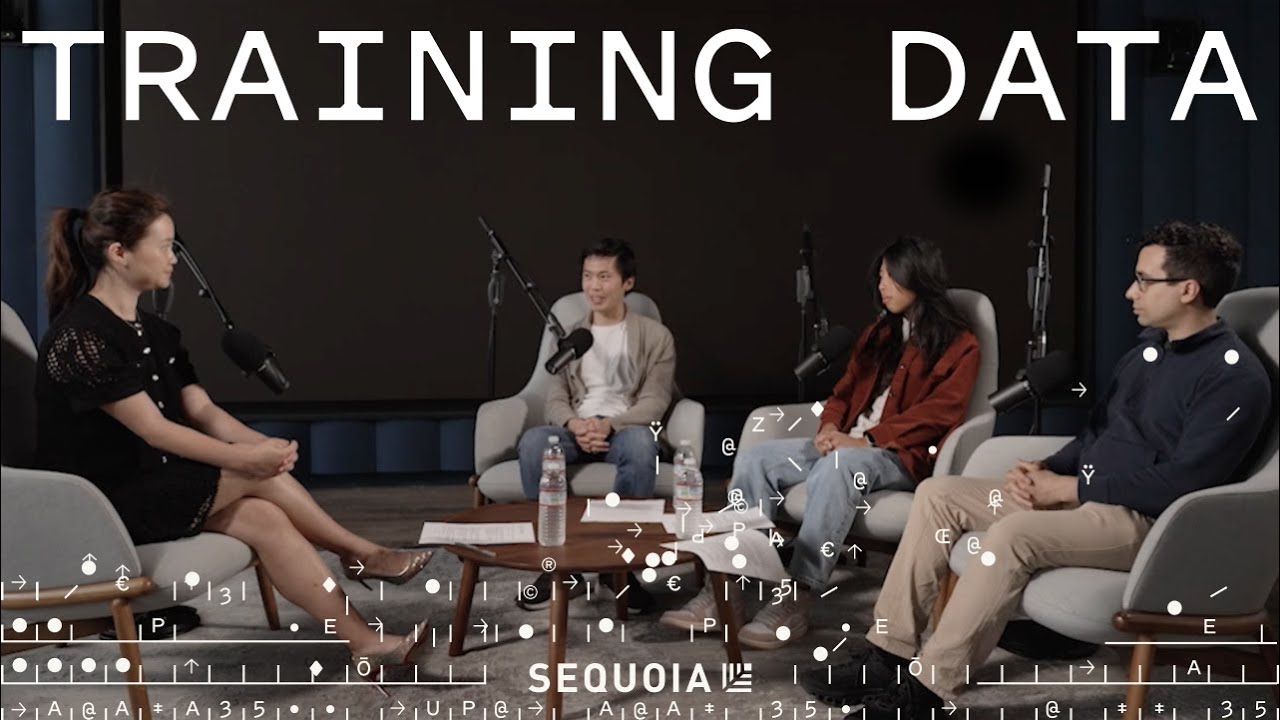
OpenAI’s IMO Team on Why Models Are Finally Solving Elite-Level Math

OpenAI’s IMO Team on Why Models Are Finally Solving Elite-Level Math

Members of the OpenAI team, Alex Wei, Sheryl Hsu, and Noam Brown, discuss their model's historic gold-medal performance at the International Mathematical Olympiad (IMO). They detail their unique approach using general-purpose reinforcement learning for hard-to-verify tasks, the model's surprising self-awareness, and the vast gap that remains between solving competition problems and achieving true mathematical research breakthroughs.