Graph rag

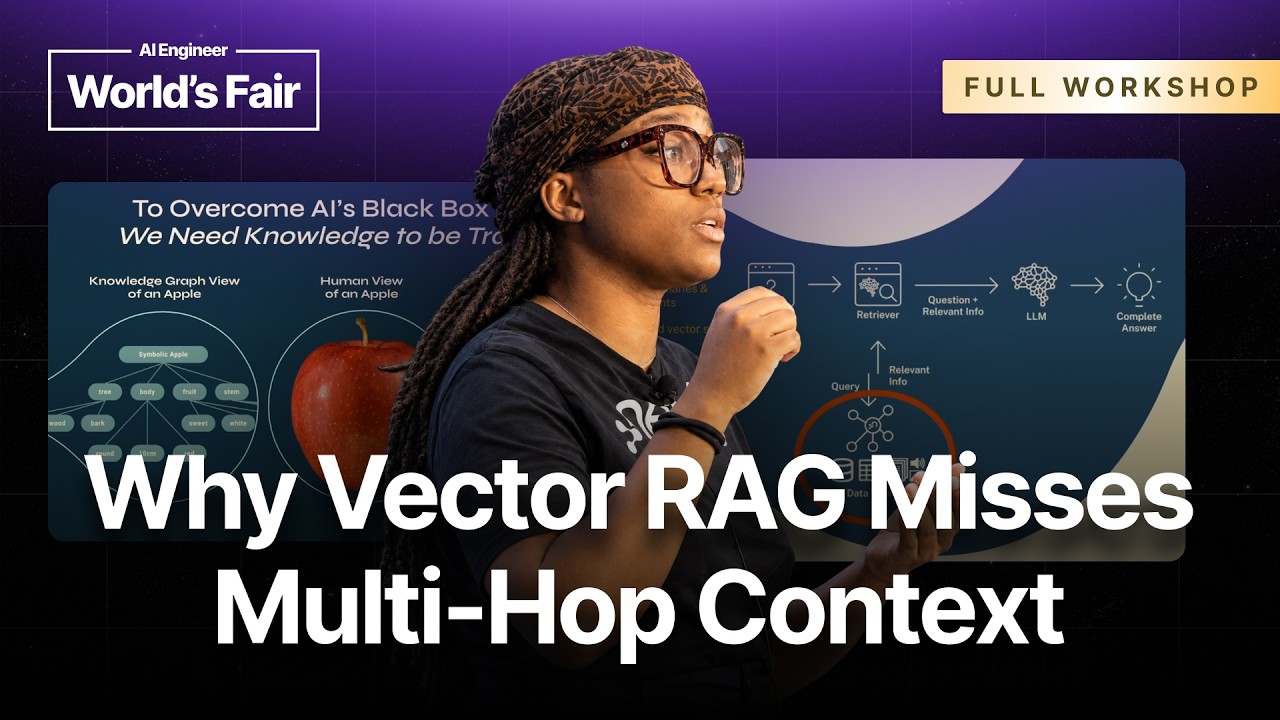
RAG Needs a Map: Using GraphRAG to Retrieve Connected Context — Nyah Macklin, Neo4j

RAG Needs a Map: Using GraphRAG to Retrieve Connected Context — Nyah Macklin, Neo4j

A hands-on GraphRAG workshop from Neo4j showing how combining vector search with a knowledge graph gives an agent connected context, multi-hop traversal, and explainable answers. It covers the difference between semantic similarity and relationships, LLM-driven entity and relationship extraction under a fixed schema, building an Aura database and Python pipeline, and configuring an Aura agent with similarity search and text-to-Cypher, with a closing check that shows why visible query evidence matters.
We Mapped 115 Microservices for Our Coding Agents — Kamalakannan Nandagopal, Postman

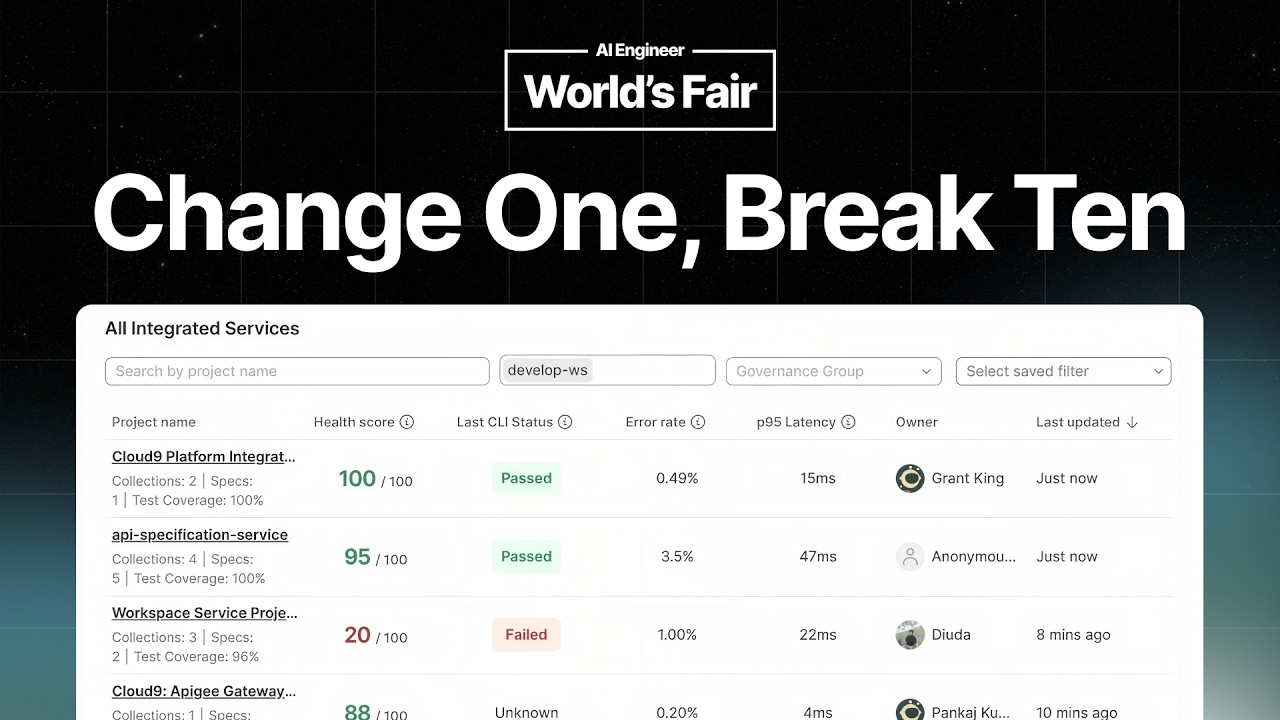
We Mapped 115 Microservices for Our Coding Agents — Kamalakannan Nandagopal, Postman

Kamalakannan Nandagopal from Postman explains why coding agents struggle beyond a single repo and how an API context graph, grounded in code and production telemetry, gives agents system-wide awareness. The talk covers evals built from real PRs, wins on API discovery, redesign and impact assessment, a stale-graph failure, and a 21-page architecture review generated by the agent.

How RAG, GraphRAG, and Context Engineering Improve AI Performance

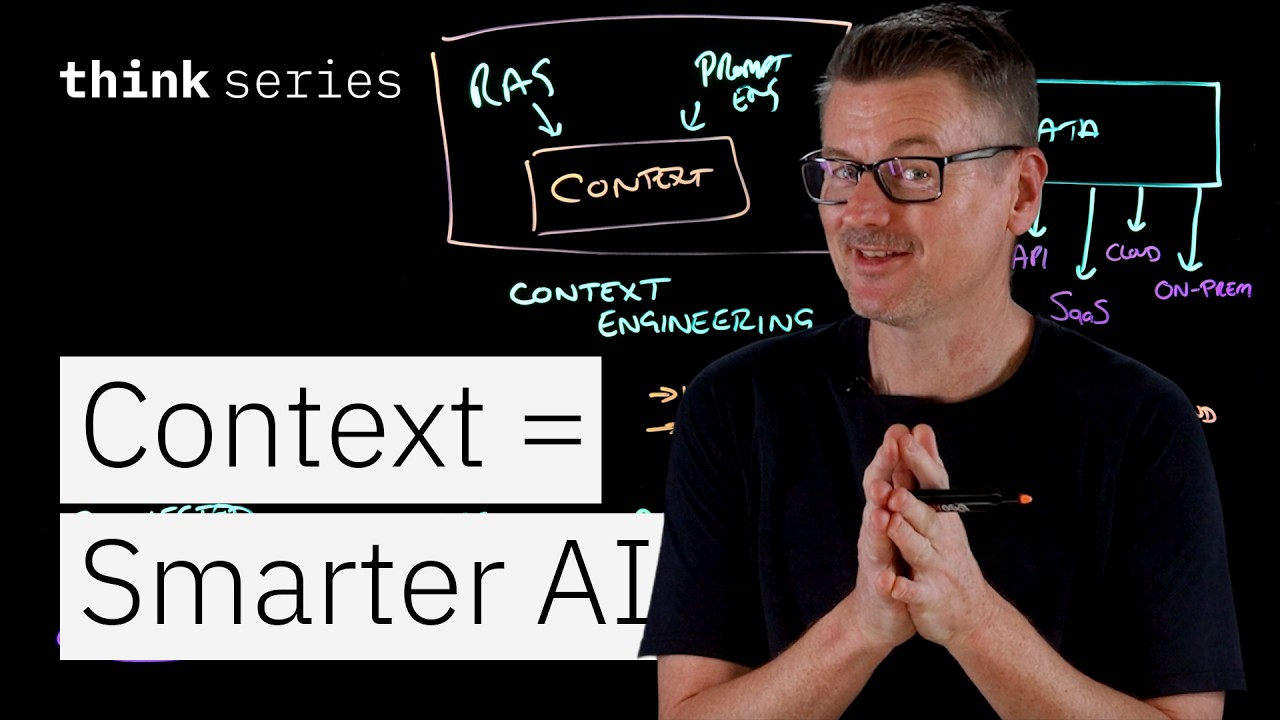
How RAG, GraphRAG, and Context Engineering Improve AI Performance

Martin Keen explains that context, not model intelligence, is the biggest bottleneck in AI. He introduces Context Engineering, its four pillars (Connected Access, Knowledge Layer, Precision Retrieval, Runtime Governance), and advanced techniques like GraphRAG to build more reliable, context-aware AI systems.