Feature

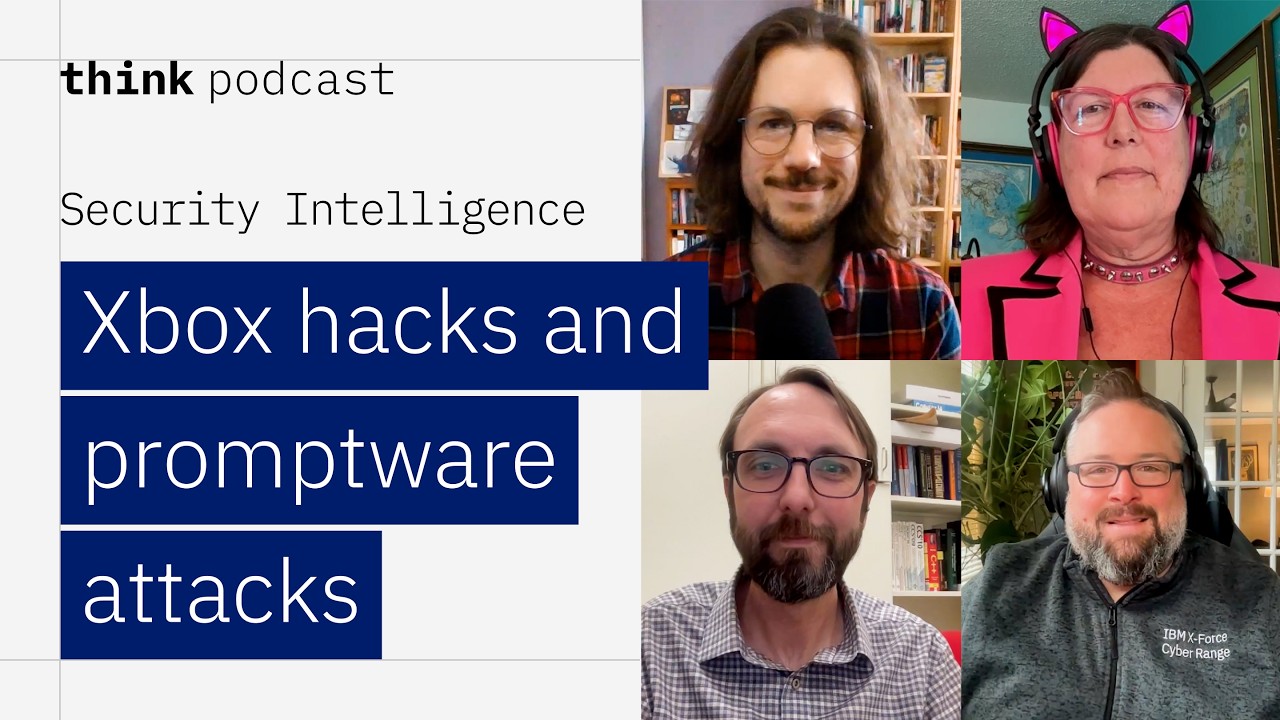
Promptware, cloud security trends for 2026, and what the Xbox One hack means for cybersecurity

Promptware, cloud security trends for 2026, and what the Xbox One hack means for cybersecurity

This episode of Security Intelligence explores the "Promptware" kill chain for AI attacks, moving beyond simple prompt injections. The discussion also covers evolving cloud attack trends targeting ecosystems over infrastructure, ransomware gangs "living off the land" with native tools, and the critical yet overlooked "rusting edge" of OT security.
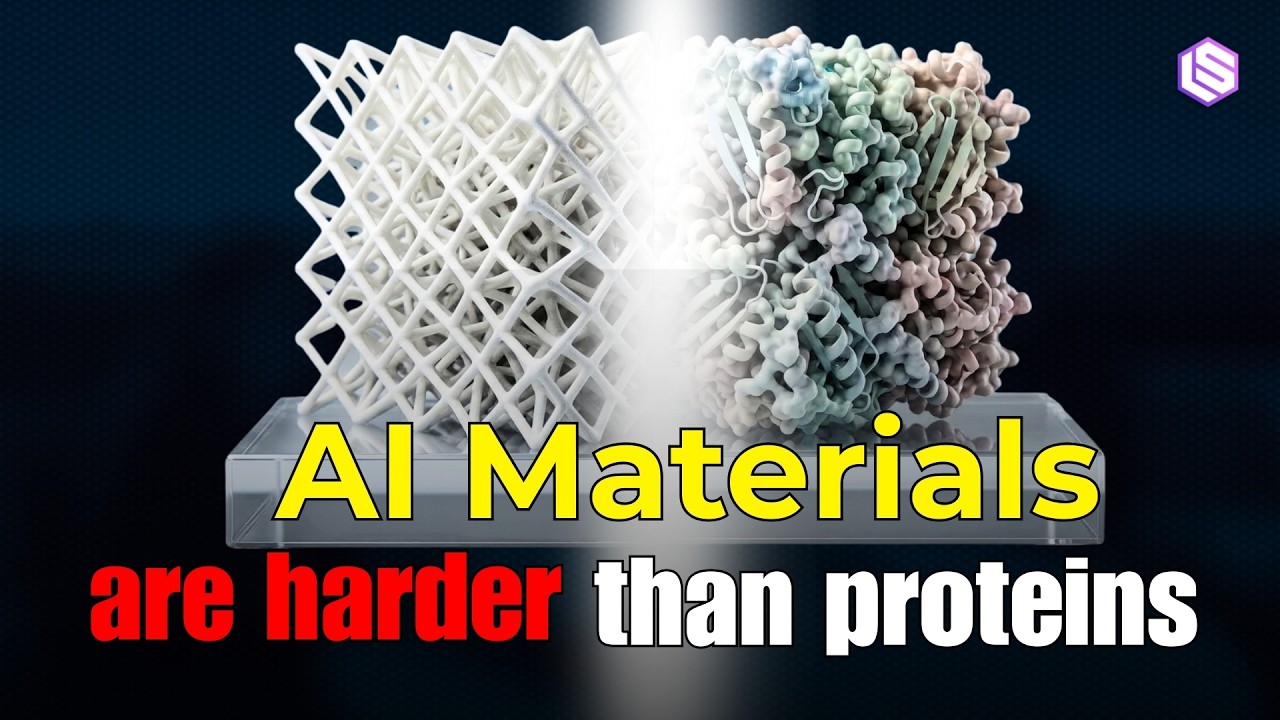
πŸ”¬There Is No AlphaFold for Materials β€” AI for Materials Discovery with Heather Kulik

πŸ”¬There Is No AlphaFold for Materials β€” AI for Materials Discovery with Heather Kulik

Professor Heather Kulik shares her hard-won perspective on applying AI to materials science, from discovering novel polymers with surprising quantum properties to the practical limitations of LLMs and the critical need for integrating deep domain expertise with data-driven methods.

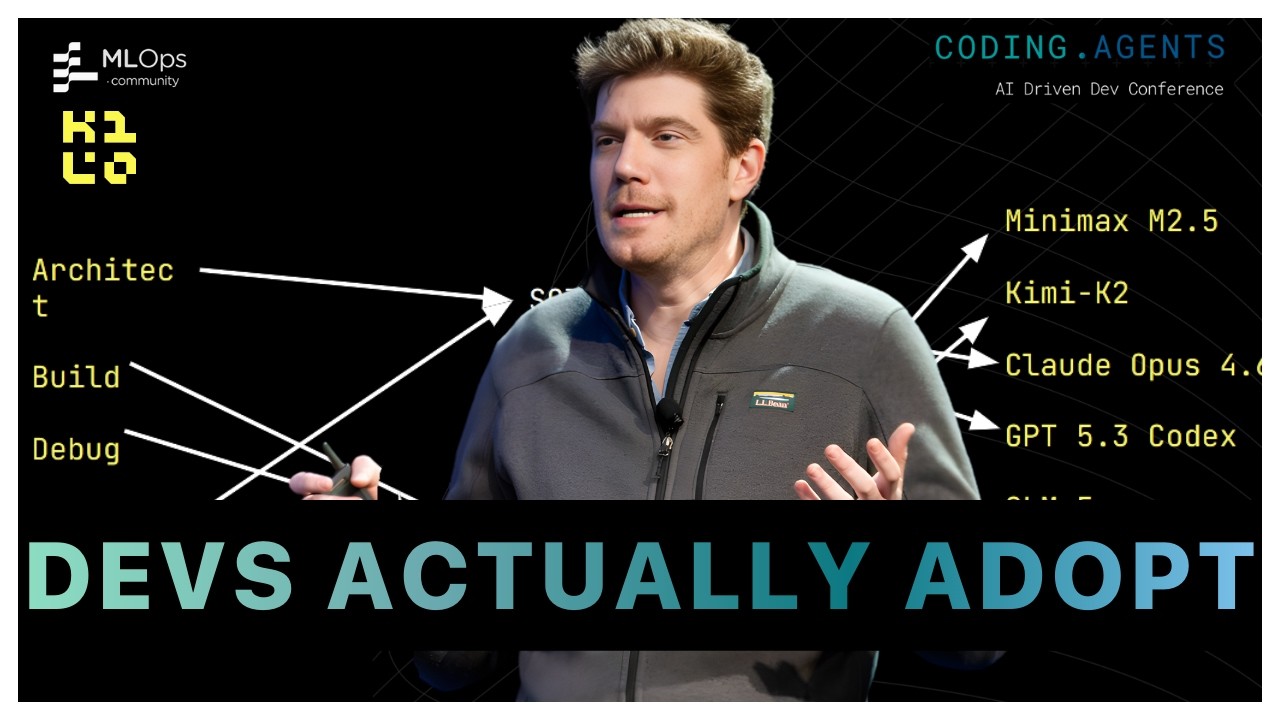
Lessons from 25 Trillion Tokens β€” Scaling AI-Assisted Development at Kilo

Lessons from 25 Trillion Tokens β€” Scaling AI-Assisted Development at Kilo

Scott Breitenother, CEO of Kilo, discusses the evolution of software development, where engineers are shifting from writing code to orchestrating AI agents. He shares lessons from processing 25 trillion tokens, emphasizing the critical role of trust, the importance of end-to-end ownership, and how this new paradigm leads to a 10x increase in shipping velocity.

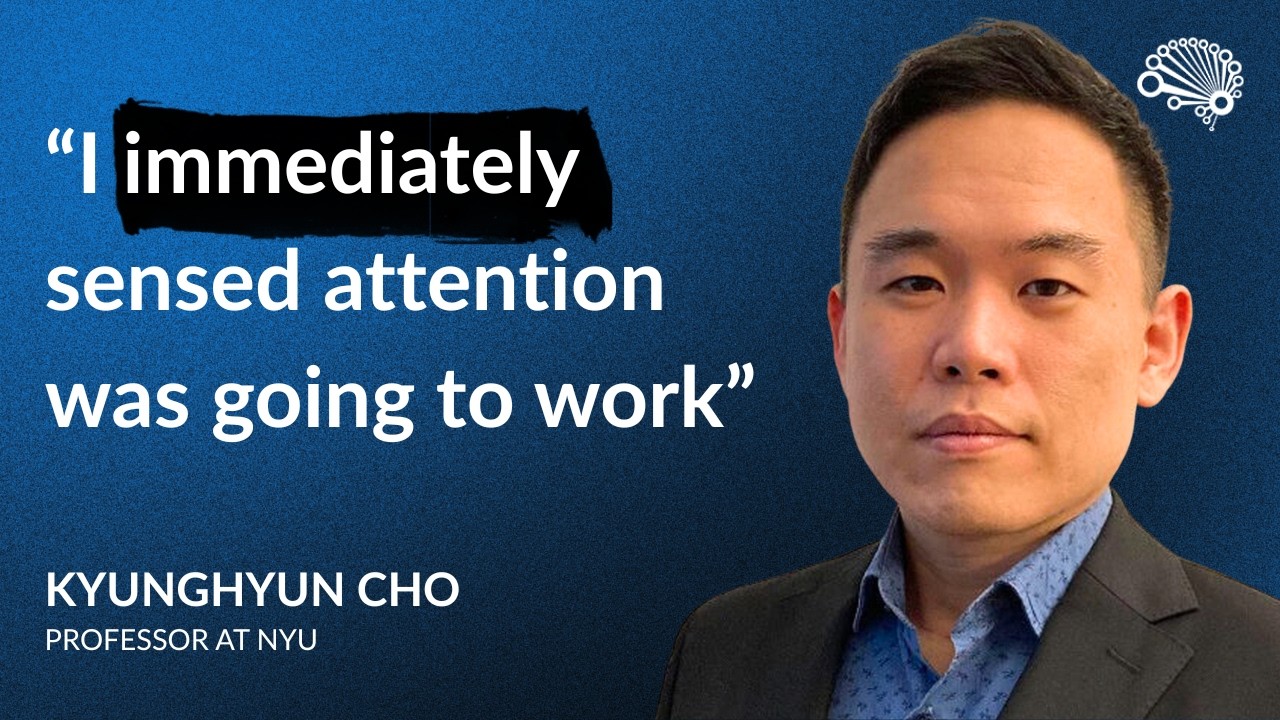
Attention, World Models and the Future of AI β€” with Prof. Kyunghyun Cho

Attention, World Models and the Future of AI β€” with Prof. Kyunghyun Cho

Professor Kyunghyun Cho, a co-author of the first paper on attention, discusses the future of AI. He argues that today’s models have already captured most correlations in passive data, making the real challenge about actively choosing which data to collect. He also explores the open debate around world models, the surprising lack of coding agent adoption among his students, and the foundational work that led to Retrieval-Augmented Generation (RAG).

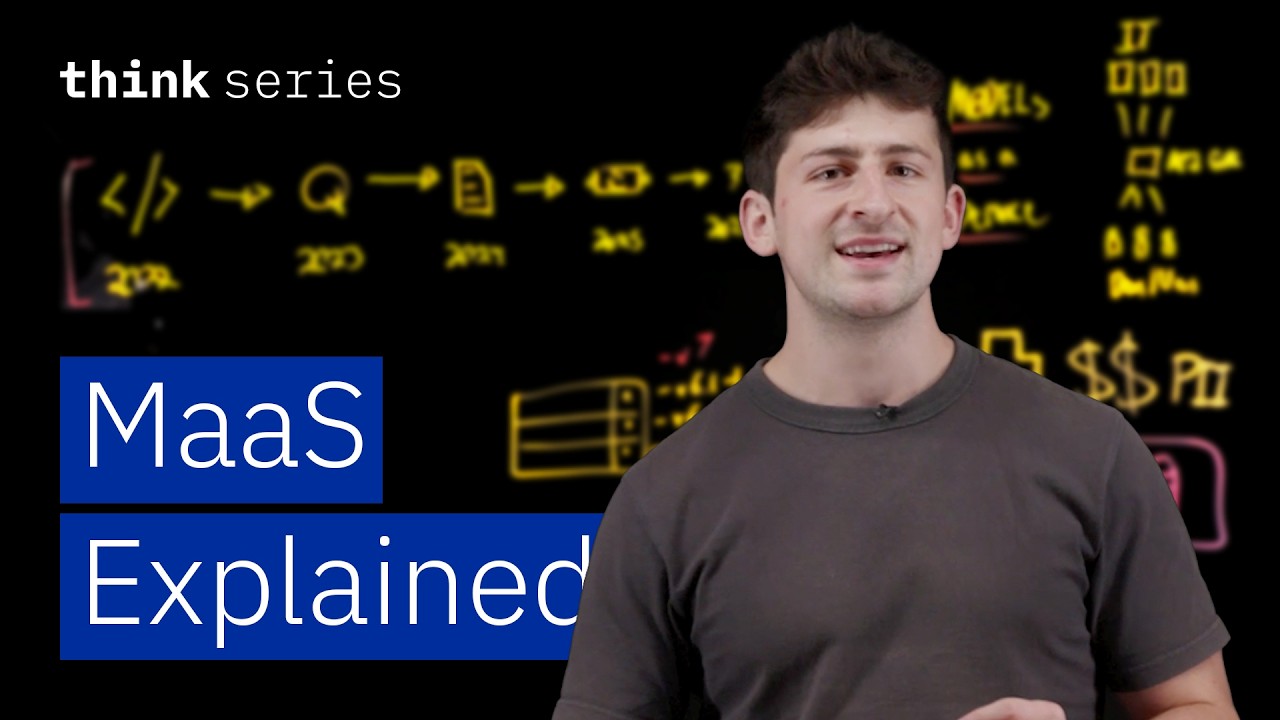
AI Models as a Service: Powering Agentic AI, Privacy, & RAG

AI Models as a Service: Powering Agentic AI, Privacy, & RAG

Cedric Clyburn explains the Models-as-a-Service (MaaS) pattern, detailing how organizations can build their own private AI infrastructure to deploy models like LLMs securely and at scale. He covers the benefits over public APIs, including cost control, data sovereignty, and lifecycle management, and outlines a technical architecture using Kubernetes, API gateways, and observability tools.

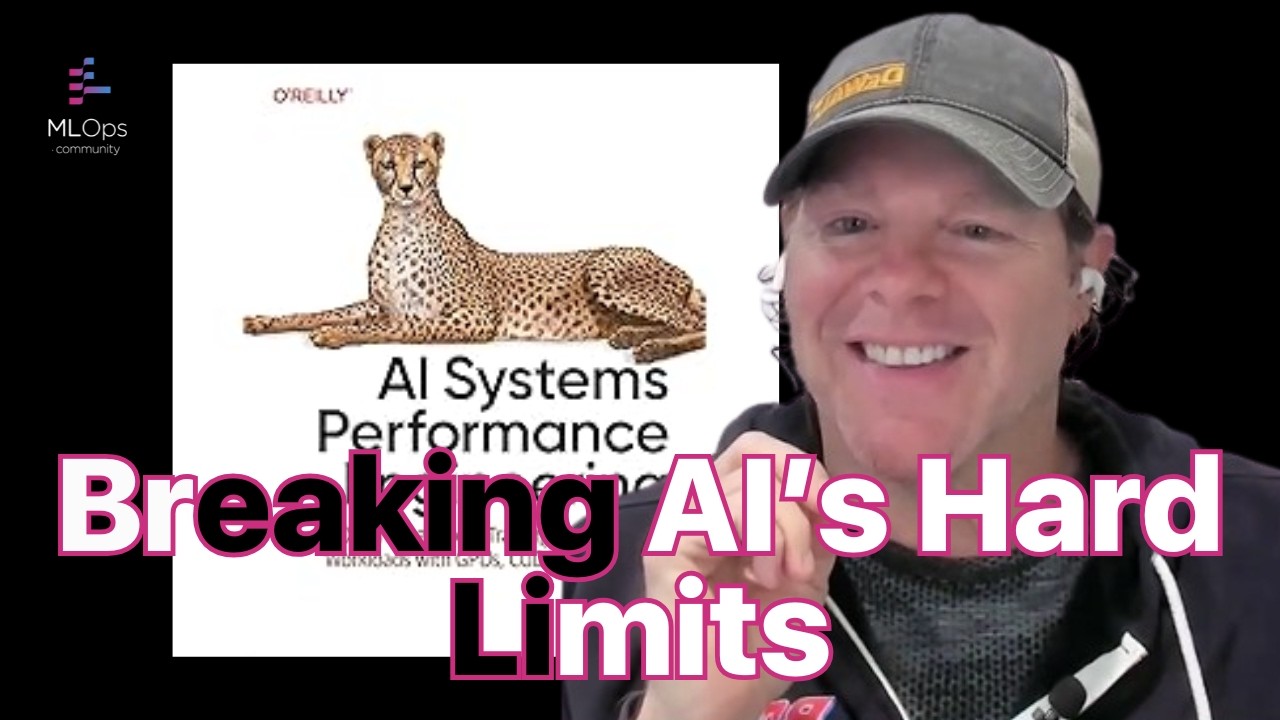
Performance Optimization and Software/Hardware Co-design across PyTorch, CUDA, and NVIDIA GPUs

Performance Optimization and Software/Hardware Co-design across PyTorch, CUDA, and NVIDIA GPUs

Chris Fregly discusses his new book, "AI Systems Performance Engineering", covering the co-design and optimization of hardware, software, and algorithms across PyTorch, CUDA, and NVIDIA GPUs. The talk explores GPU architecture, system-level reliability challenges, and the use of modern coding agents for low-level kernel optimization.