Feature

Give Your Agent a Computer — Nico Albanese, Vercel

Give Your Agent a Computer — Nico Albanese, Vercel

Nico Albanese from Vercel demonstrates how to build a stateful, learning AI agent from scratch using AI SDK v6. The workshop covers the core components: a tool loop, provider-executed tools like web search, end-to-end type safety, and Vercel's new persistent named sandboxes, which give the agent a file system to persist state, memory, and even self-generated tools across sessions.
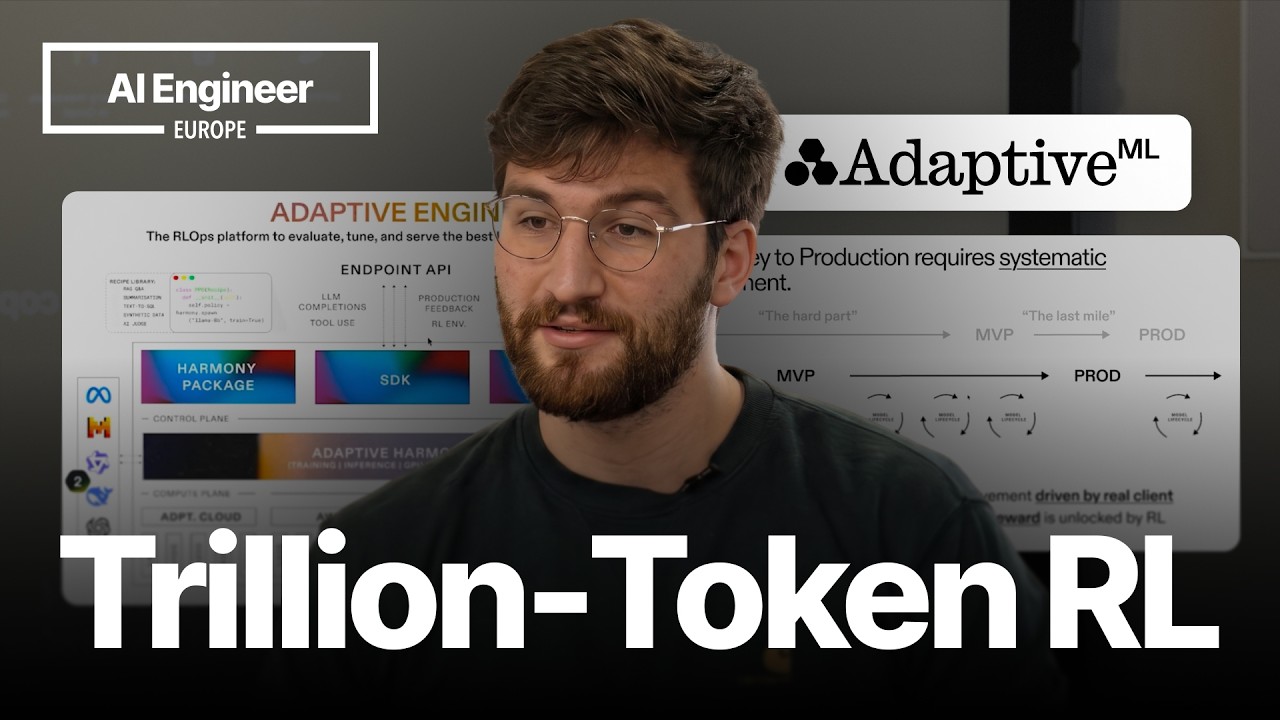
Lessons from Trillion Token Deployments at Fortune 500s — Alessandro Cappelli, Adaptive ML

Lessons from Trillion Token Deployments at Fortune 500s — Alessandro Cappelli, Adaptive ML

95% of GenAI pilots fail due to feedback integration issues, not deployment challenges. Alessandro Cappelli argues that Reinforcement Learning (RL) provides the only systematic way to incorporate business metrics and production signals to continuously improve models, especially for complex agent-based systems.

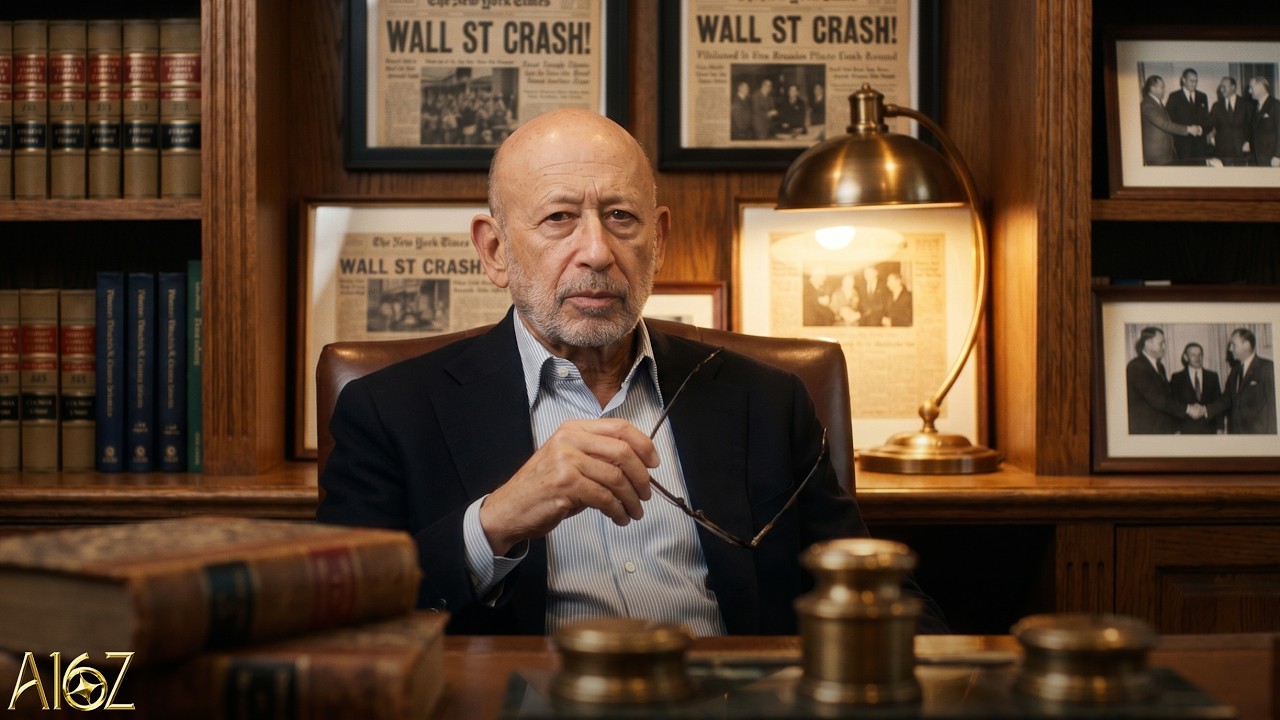
Goldman Sachs Chairman on AI and the Future of Finance | The a16z Show

Goldman Sachs Chairman on AI and the Future of Finance | The a16z Show

Lloyd Blankfein, former CEO of Goldman Sachs, shares insights on leadership in crisis, the philosophy of risk management, and the evolution of institutional culture. He discusses navigating the 2008 financial crisis, the transition from a partnership to a public company, and the profound impact of technology and AI on finance and risk.

Pair Programming with AI in Your Python Notebook — with Dr. Trevor Manz

Pair Programming with AI in Your Python Notebook — with Dr. Trevor Manz

Dr. Trevor Manz from Marimo introduces Marimo Pair, an open-source agent skill that enables coding agents like Claude Code to interact with and drive reactive Python notebooks. He discusses the mechanics of agent skills, the power of recursive language models for agentic reasoning, and his work on the AnyWidget project, which bridges the gap between Python's data ecosystem and interactive web technologies.

Why AI Agents Need an Operating System

Why AI Agents Need an Operating System

Current AI agents are powerful but lack memory, context, and safety, behaving like "genius goldfish." This summary explains the necessity of an AI Agent Operating System (OS) to provide essential infrastructure for managing memory, tools, identity, and governance, making agents reliable, scalable, and trustworthy.

Viktor: AI Coworker That Lives in Slack — Fryderyk Wiatrowski

Viktor: AI Coworker That Lives in Slack — Fryderyk Wiatrowski

This talk explores the journey of building Viktor, an AI employee that lives entirely in Slack. It details the unique challenges of scaling an AI agent from a personal tool to a company-wide coworker, focusing on memory isolation, context management across different Slack interactions (DMs, channels, threads), and the surprising importance of the AI's personality for user adoption.