Feature

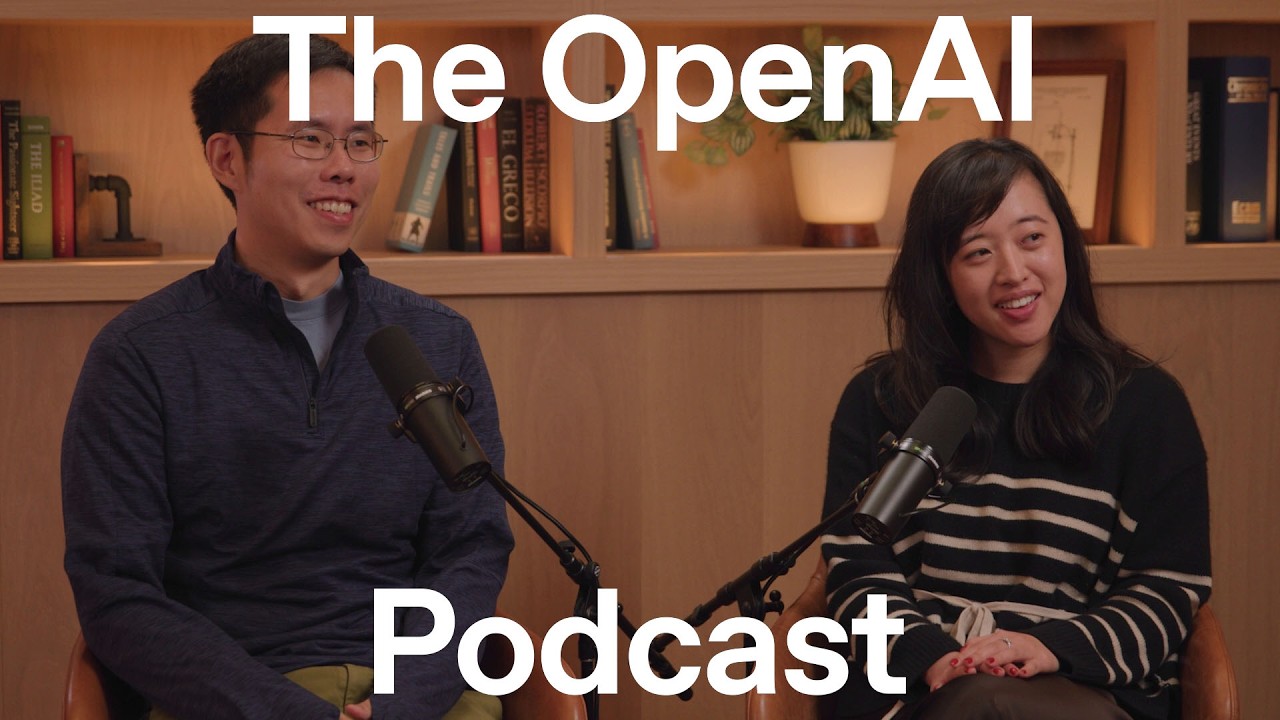
Inside image generation’s Renaissance moment — the OpenAI Podcast Ep. 19

Inside image generation’s Renaissance moment — the OpenAI Podcast Ep. 19

Product lead Adele Li and researcher Kenji Hata from OpenAI discuss the significant advancements in Images 2.0, covering breakthroughs in photorealism, text rendering, and multilingual support. They explore new productivity and creative use cases, the evaluation process, and the future of image generation as a creative assistant.


Make your own event-sourced agent harness using stream processors — Jonas Templestein, Iterate

Make your own event-sourced agent harness using stream processors — Jonas Templestein, Iterate

Jonas Huckestein introduces a novel, event-sourced architecture for building AI agents. The core abstraction consists of three parts: a state, a synchronous reducer that derives state from events, and an after-append hook for side effects. This design ensures debuggability and allows state to be rebuilt without re-running expensive operations like LLM calls. A key innovation is the ability to deploy an agent by simply appending a 'dynamic worker configured' event—containing JavaScript code for a processor—to an event stream, eliminating the need for servers or complex deployment pipelines. This enables a distributed and composable ecosystem where processors from different authors can collaborate on a single stream.

You're Shipping 10x More Bugs and Don't Know It

You're Shipping 10x More Bugs and Don't Know It

Evan Marshall, CTO of Ito AI, discusses how the rapid rise of AI-powered code generation is creating a critical bottleneck in software verification and QA. He explains Ito AI's approach of using AI agents for automated, runtime execution testing on every pull request to act as a force multiplier for developers and unblock enterprise teams.

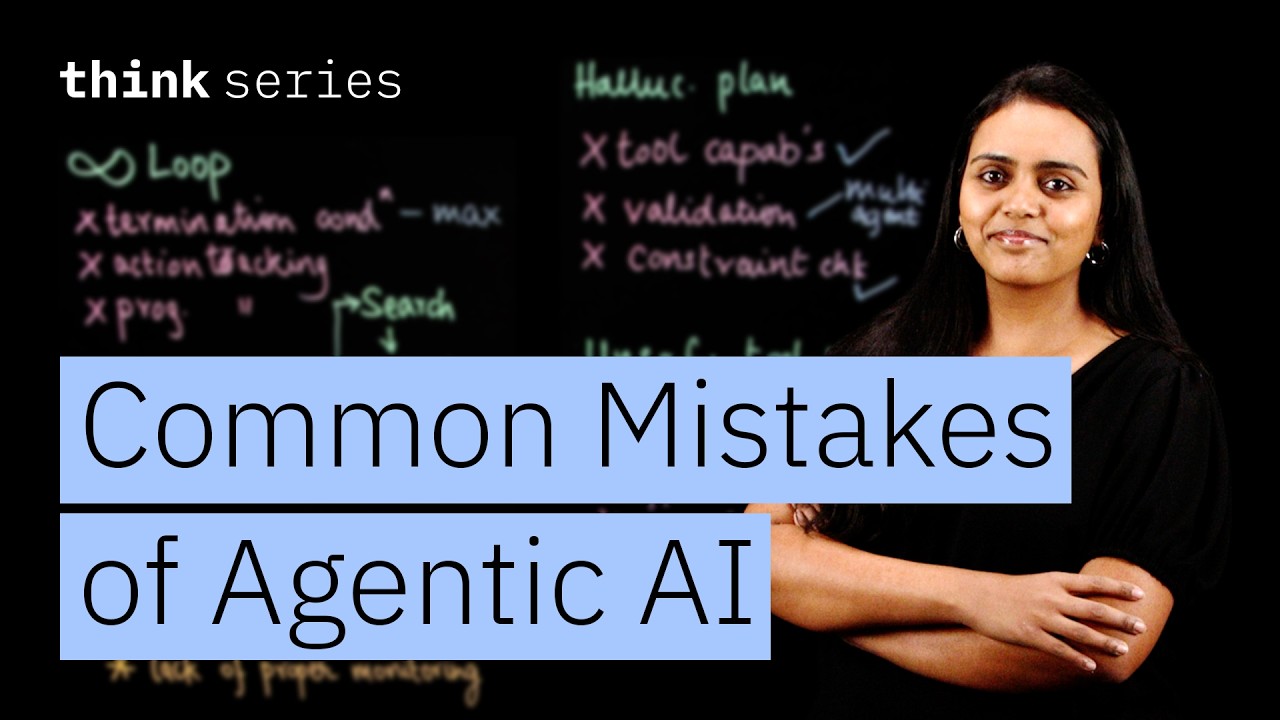
Why Agentic AI Fails: Infinite Loops, Planning Errors, and More

Why Agentic AI Fails: Infinite Loops, Planning Errors, and More

Agentic AI failures are often predictable system design flaws, not random hallucinations. This summary explores the top three failure modes—infinite loops, hallucinated planning, and unsafe tool use—and provides practical strategies for designing more reliable and robust AI agents.

Pax Silica: Inside the Trump Administration’s Tech Strategy with Jacob Helberg

Pax Silica: Inside the Trump Administration’s Tech Strategy with Jacob Helberg

US Under Secretary of State Jacob Helberg details Pax Silica, a 14-country economic security coalition designed to secure the entire AI supply chain for the US and its allies. He discusses the creation of a forward-deployed industrial base in the Philippines, contrasts the initiative with China’s Belt and Road, and explains how the US plans to reindustrialize through private sector partnerships, automation, and robotics.

Build Hour: GPT-Realtime-2

Build Hour: GPT-Realtime-2

Explore GPT-Realtime-2, OpenAI's advanced voice AI model, through practical demos and a deep dive with Sierra on building production-grade, low-latency voice agents with complex reasoning and tool use.