Feature

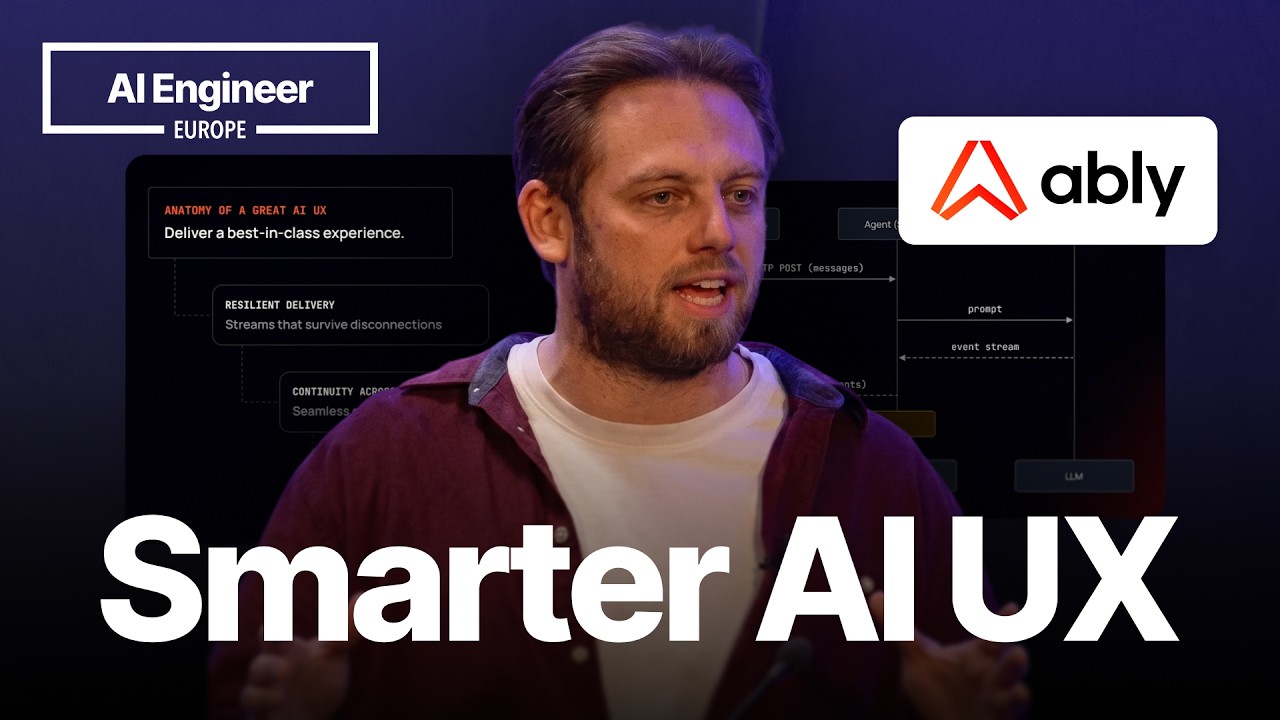
Why Your AI UX Is Broken (and It's Not the Model's Fault) — Mike Christensen, Ably

Why Your AI UX Is Broken (and It's Not the Model's Fault) — Mike Christensen, Ably

Mike Christensen from Ably critiques the standard HTTP streaming (SSE) approach for AI chat applications, highlighting its fragility and limitations. He introduces the "durable session" pattern, a persistent, shared resource built on pub/sub principles, to create resilient, multi-device AI experiences with live, bidirectional control.
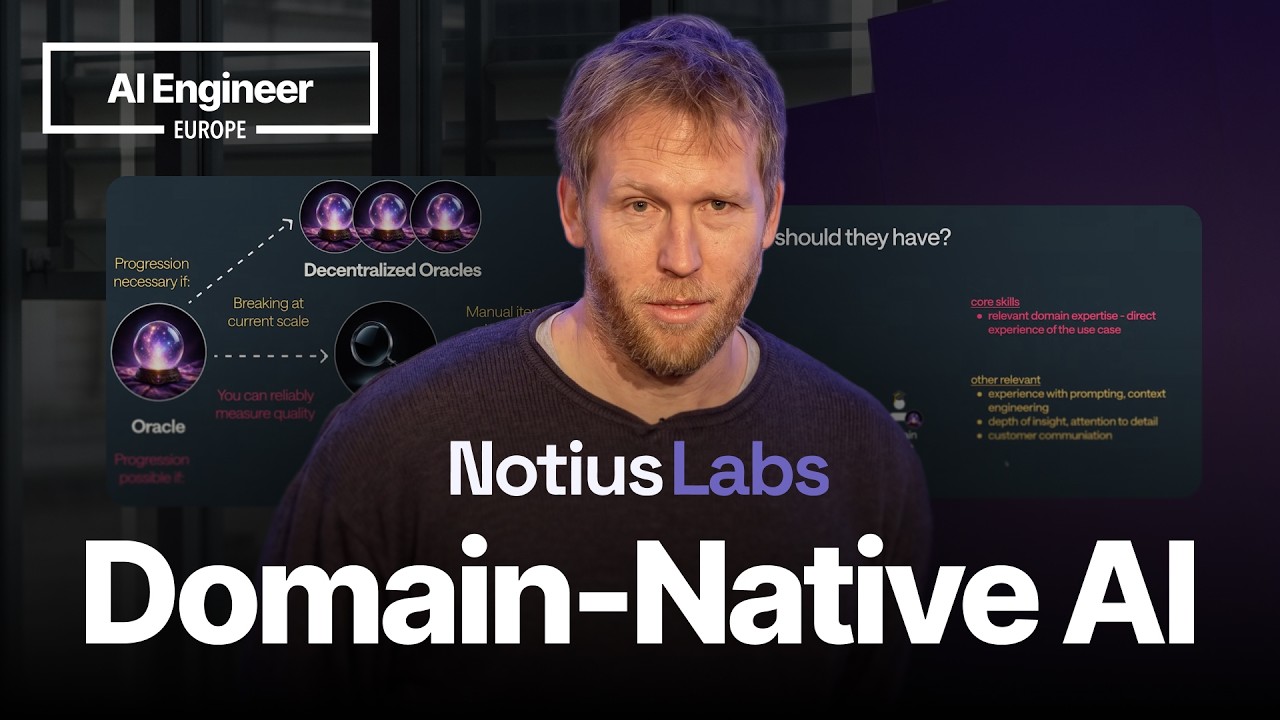
How to Leverage Domain Expertise — Chris Lovejoy, Notius Labs

How to Leverage Domain Expertise — Chris Lovejoy, Notius Labs

Chris Lovejoy argues that winning in vertical AI is an organizational challenge, not just a technical one. He introduces a framework of three roles for domain experts—Oracle, Evaluator, and Architect—to effectively embed their knowledge into AI products, illustrated with case studies from companies like Granola and Anterior.

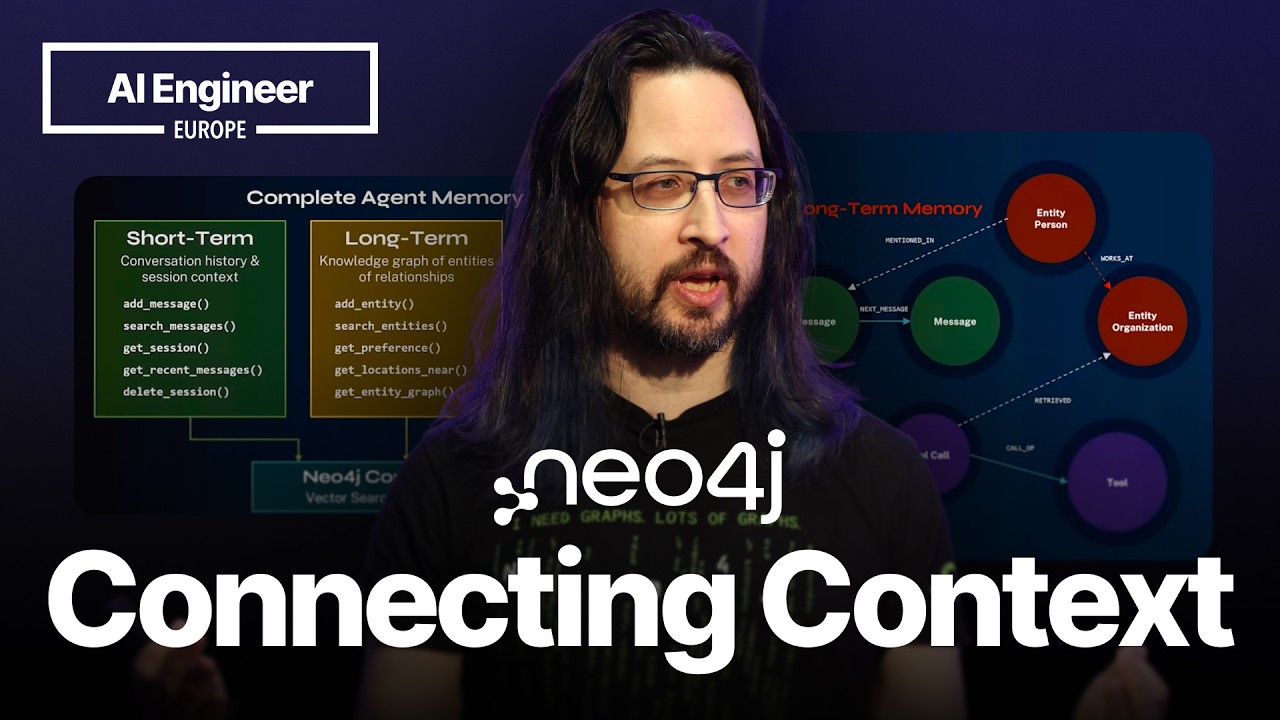
Connecting the Dots with Context Graphs — Stephen Chin, Neo4j

Connecting the Dots with Context Graphs — Stephen Chin, Neo4j

Stephen Chin of Neo4j argues that traditional RAG is insufficient because AI agents lose the reasoning behind past decisions. He introduces Context Graphs as a solution to capture the 'why' behind decisions, creating a queryable system of precedent that provides grounded, explainable, and auditable results.

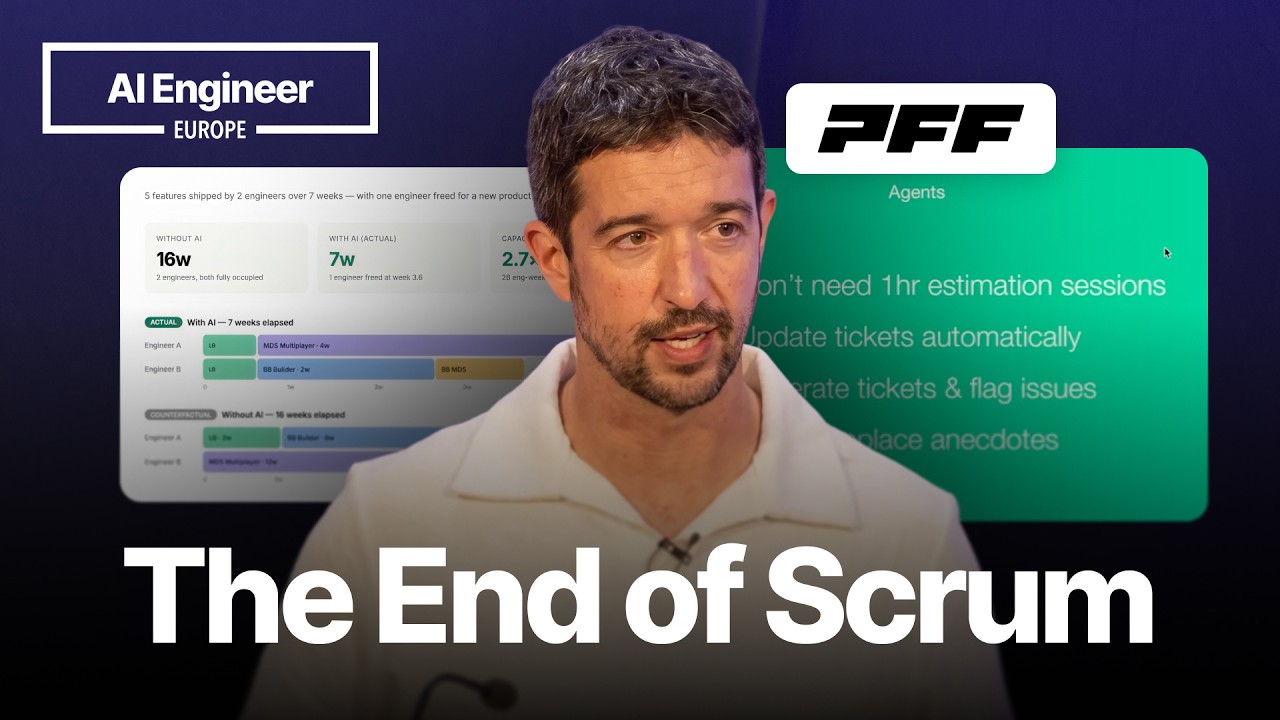
Agents Don't Do Standups: Building the Post-Engineer Engineering Org — Mike Spitz, PFF

Agents Don't Do Standups: Building the Post-Engineer Engineering Org — Mike Spitz, PFF

A case study from PFF reveals how a two-engineer team, by leveraging AI agents, achieved a 25x increase in deployment frequency and 10x the output of a ten-engineer team. CTO Mike Spitz explains their core principle: shifting focus from making engineers faster to making AI agents faster. This talk deconstructs the resulting transformation, which eliminated traditional agile ceremonies like stand-ups and sprint planning in favor of an automated, spec-to-PR workflow, redefining the roles of engineers and processes in a modern software organization.

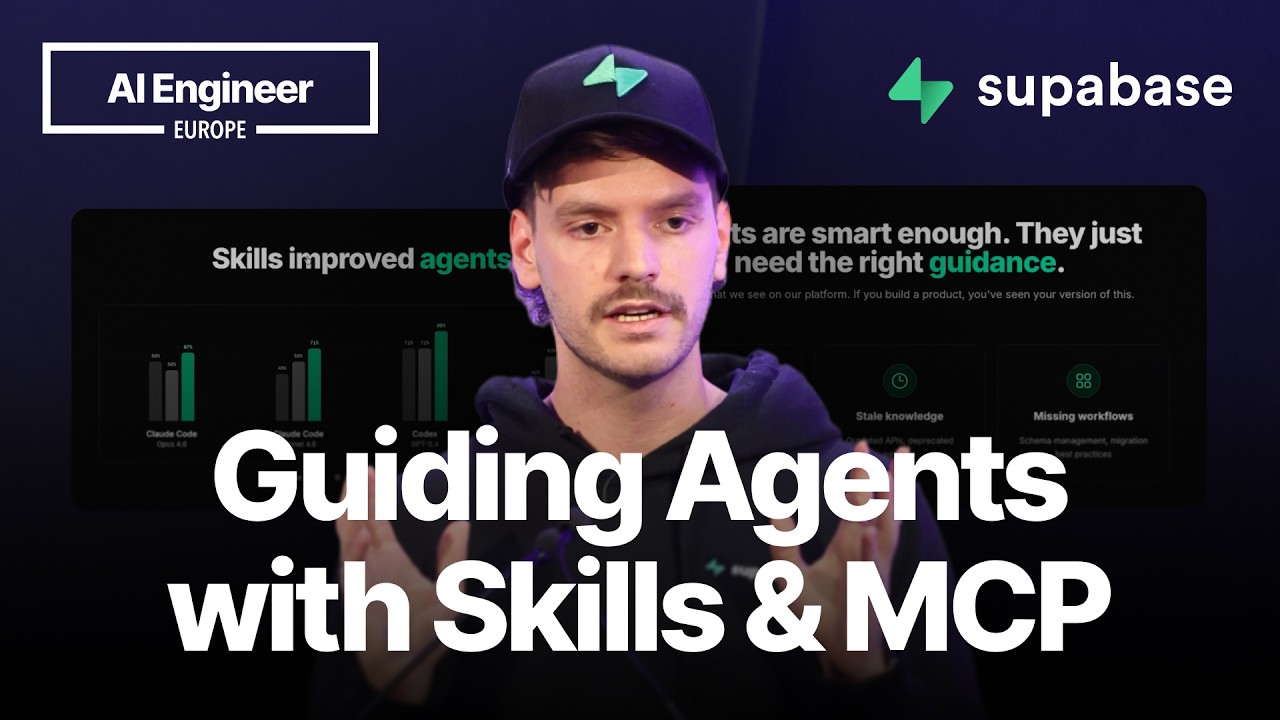
Combine Skills and MCP to Close the Context Gap — Pedro Rodrigues, Supabase

Combine Skills and MCP to Close the Context Gap — Pedro Rodrigues, Supabase

Pedro Rodrigues from Supabase shares key lessons from building an agent skill to work with Postgres and Supabase. He explains why critical security rules must go in the main skill file, the importance of pointing to living documentation, and how providing opinionated workflow guidance closes the reliability gap for agents in production systems.

Tokenmaxxing vs AI Hardware Bottlenecks — with Jon Krohn (@JonKrohnLearns)

Tokenmaxxing vs AI Hardware Bottlenecks — with Jon Krohn (@JonKrohnLearns)

While the 'tokenmaxxing' trend grows, the AI industry faces severe physical infrastructure bottlenecks. This summary explores the four key constraints choking AI compute: GPU packaging (CoWoS), high-bandwidth memory (HBM), the surprising surge in CPU demand from agentic AI, and critical electricity shortages, revealing how these challenges are shaping the future of AI development.