Embedded systems

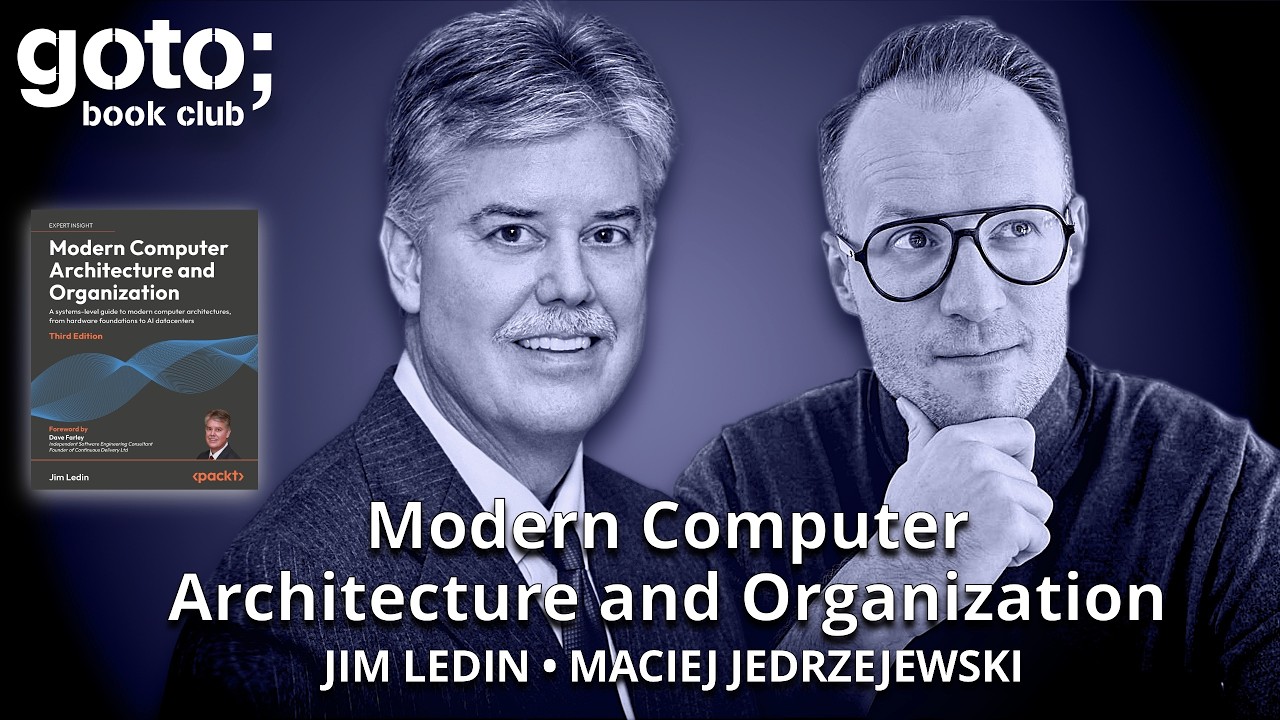
Modern Computer Architecture & Organization • Jim Ledin & Maciej «MJ» Jedrzejewski • GOTO 2026

Modern Computer Architecture & Organization • Jim Ledin & Maciej «MJ» Jedrzejewski • GOTO 2026

Jim Ledin, author of *Modern Computer Architecture and Organization*, discusses the integration of GPUs and LLMs into his book, emphasizing architectural principles over fleeting trends. He highlights memory bandwidth as the primary bottleneck in AI, explaining the impact of High Bandwidth Memory (HBM) demand on consumer RAM. Ledin also identifies understanding pipelining and cache hierarchy as the most crucial skill for software developers to optimize code performance.
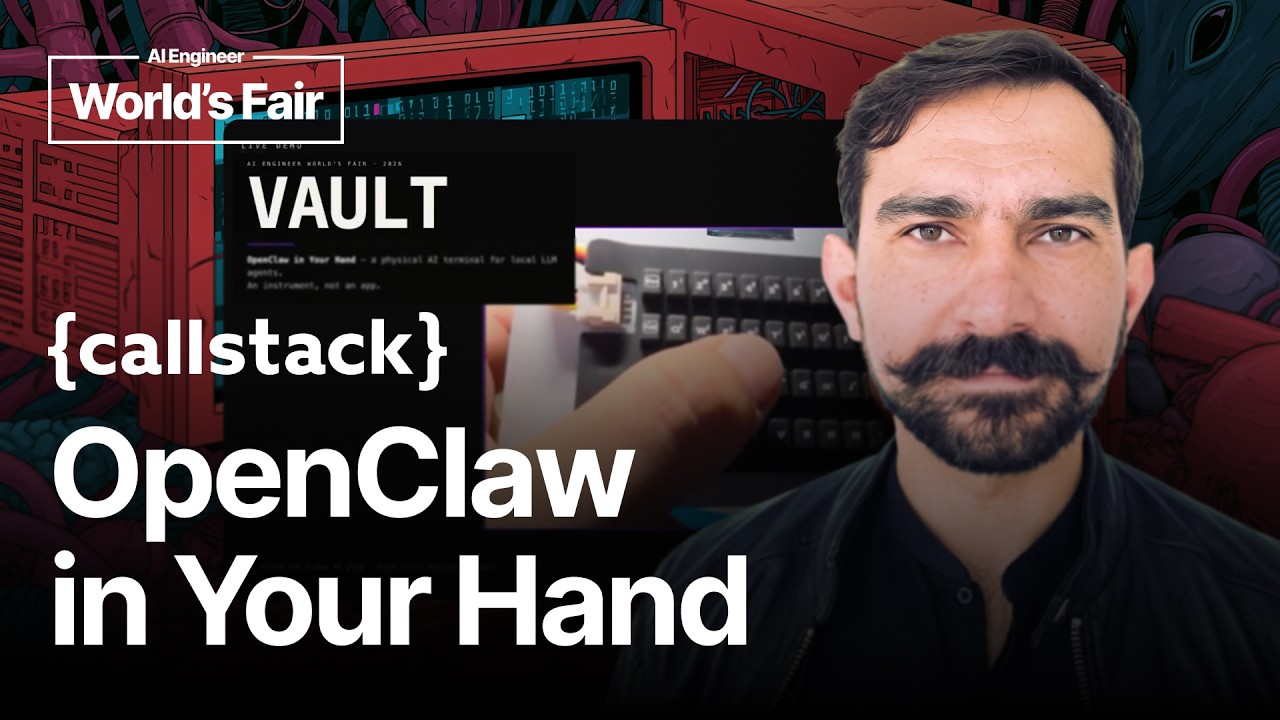
OpenClaw in Your Hand: Building a Physical AI Terminal - Lech Kalinowski, Callstack

OpenClaw in Your Hand: Building a Physical AI Terminal - Lech Kalinowski, Callstack

Dr. Lech Kalinowski presents Vault, a unique AI-native handheld terminal built on an ESP32-S3, featuring a dual-display (OLED for live interaction, e-paper for static content) and powered by a single battery. It operates in four modes—shell, assist, control, and an LLM-native RPG—and controls autonomous OpenClaw agents against a local, self-hosted 120B parameter GPT model served by NVIDIA TensorRT-LLM. The talk delves into the AI-native architecture, why inference remains on the backend, real-time agent thinking surfacing on e-paper, engineering challenges, and LLM-native game design, highlighting the potential for calm, text-first AI interaction.

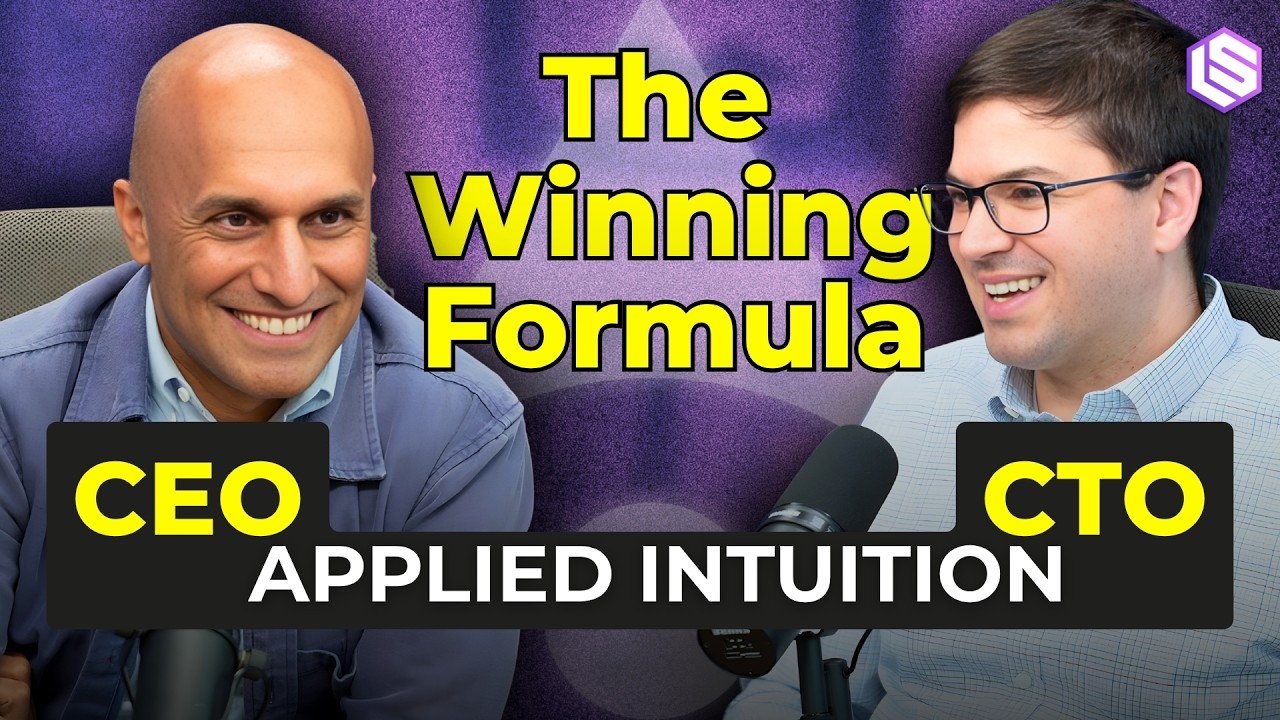
The $15B Physical AI Company: Simulation, Autonomy OS, Neural Sim, & 1K Engineers—Applied Intuition

The $15B Physical AI Company: Simulation, Autonomy OS, Neural Sim, & 1K Engineers—Applied Intuition

Qasar Younis and Peter Ludwig, founders of Applied Intuition, discuss the shift from autonomy tooling to a comprehensive physical AI platform. They explain why physical AI is more than just LLMs on wheels, highlighting the critical bottleneck of deploying models onto constrained hardware. The conversation covers their three-pillar tech stack—simulation, operating systems, and AI models—and makes the case for an 'Android for every moving machine' to solve the fragmentation in safety-critical systems like cars, trucks, and robots.