Developer productivity

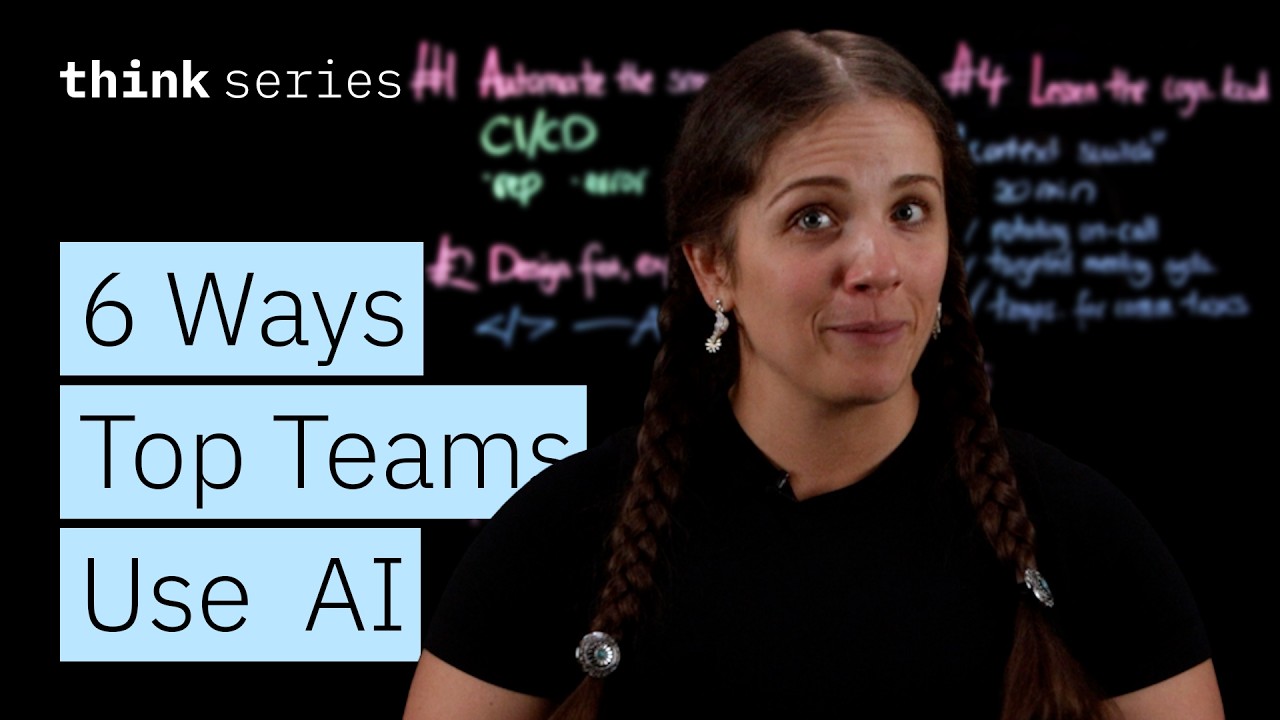
6 Ways to Enhance Developer Productivity with AI

6 Ways to Enhance Developer Productivity with AI

Discover how top-performing teams achieve 100-150% productivity gains with AI by strategically restructuring workflows, automating wisely, prioritizing design, fostering deep work, reducing cognitive load, investing in growth, and optimizing tools. This goes beyond mere AI adoption, focusing on human-centric practices and intelligent measurement to drive real impact and retention.
What is an AI Code Generator? LLM Coding, Productivity, & Risk

What is an AI Code Generator? LLM Coding, Productivity, & Risk

AI code generators leverage LLMs to translate natural language into code, significantly boosting developer productivity and job satisfaction by automating boilerplate and accelerating learning. However, they introduce risks like subtle security vulnerabilities and require rigorous human review. Evaluating tools hinges on trust, demanding features like data provenance, governance, secure deployment, and curated training data for enterprise adoption.

Develop at Idea Velocity - Jeffrey Lee-Chan, Snapchat

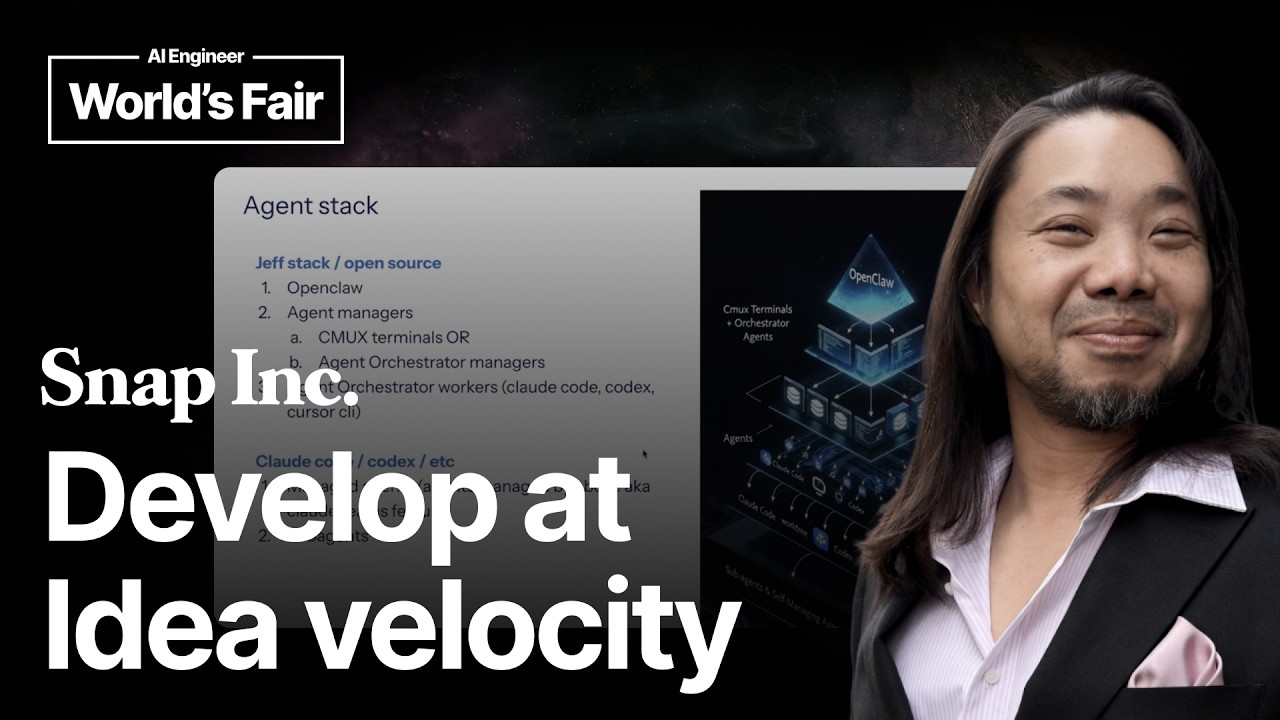
Develop at Idea Velocity - Jeffrey Lee-Chan, Snapchat

Jeffrey Lee-Chan argues that the critical component for production AI agent systems is not the model but the "harness"—an orchestration layer providing persistent memory and contextual guardrails. He introduces Open Claw, a conceptual framework that separates agent orchestrator managers (handling task specs and history) from specialized workers (executing implementation details). This architecture enables deterministic teamwork, parallelization, and unbiased outcomes, supported by examples like AI RPGs and multi-AI analysis, alongside tools like tmux for enhanced developer productivity and careful token management strategies.

Why Open Models Will Beat GPT and Claude

Why Open Models Will Beat GPT and Claude

This episode explores the strategic shift of enterprises towards open AI models driven by cost and data sovereignty, highlighting the evolving tooling and hybrid deployment strategies. It also delves into the "attenuation funnel" phenomenon, where increased code generation by AI tools doesn't proportionally translate to shipped software or end-user value, and introduces "neo-consulting"—a new business model challenging traditional consulting with outcomes-based pricing and AI-focused expertise.

Should AI Engineers Still Read Code in 2026? The Z/L Continuum — Alex Volkov, ThursdAI

Should AI Engineers Still Read Code in 2026? The Z/L Continuum — Alex Volkov, ThursdAI

Alex Volkov introduces the "Z/L Continuum," a framework for navigating the tension between rapid AI-generated code production and the critical need for human review. He argues that the key lies in understanding that the continuum applies to tasks, not individuals, and presents a pragmatic routing table for verifying changes based on their criticality, highlighting the shift towards engineering systems that build and verify code, rather than meticulously inspecting every line. The talk also touches on emerging capabilities like Fable and "loops" and the importance of flexibility and human judgment in the evolving AI engineering landscape.

Platforms: Build Abstractions, not Illusions • Gregor Hohpe • GOTO 2025

Platforms: Build Abstractions, not Illusions • Gregor Hohpe • GOTO 2025

Gregor Hohpe explains the critical role of platforms in managing the growing cognitive load on developers due to complex distributed systems. He contrasts platforms, driven by "economies of speed" and fostering innovation through diversity, with traditional IT services and oversimplified abstractions that create dangerous illusions. Hohpe emphasizes building platforms that provide intuitive, domain-specific abstractions to solve real business problems, rather than just repackaging existing cloud services.