Decision making

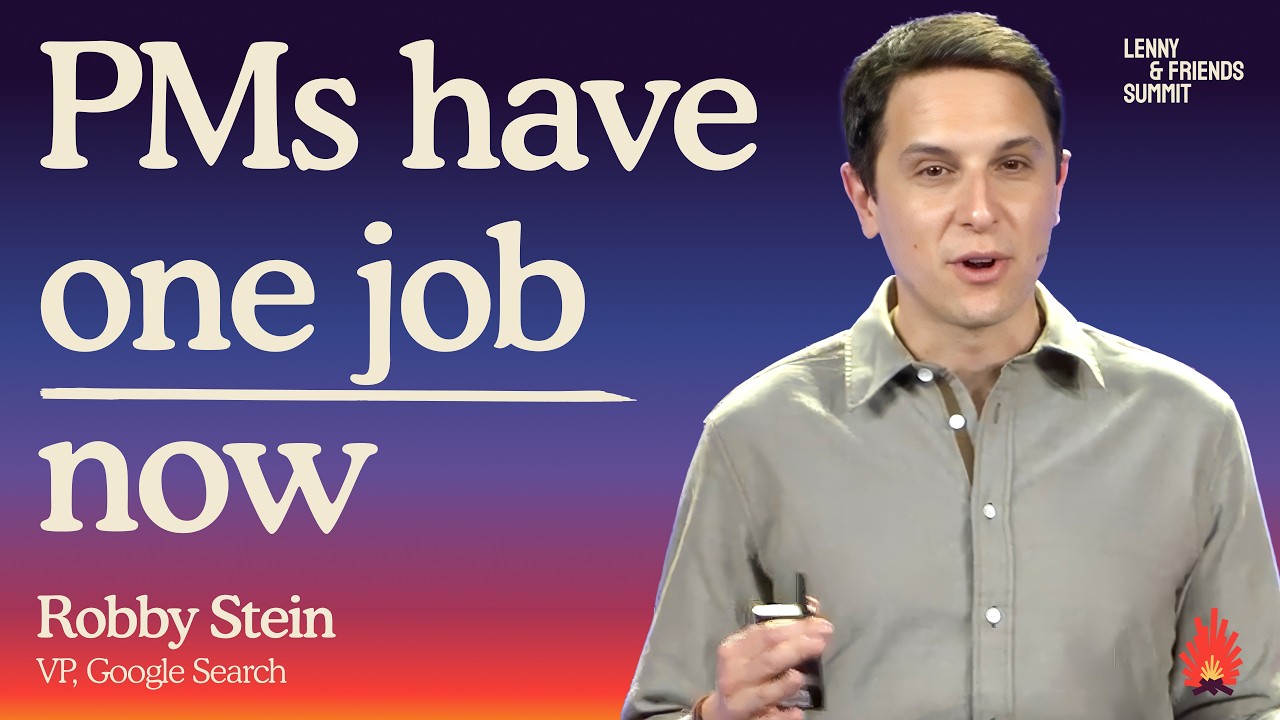
What it takes to be a top PM today | Robby Stein (Google Search)

What it takes to be a top PM today | Robby Stein (Google Search)

Robby Stein, drawing on his work on Instagram Stories, Reels, and AI-era Google Search, argues that the core craft of product management is making great decisions. He lays out a three-part process: understand people's underlying needs through jobs to be done, diagnose why a product is failing through root cause analysis and iteration, and refine the craft details that make a product work well and feel delightful.

The Signal Layer: What to Build When Anything Can Be Built — Lena Hall, Akamai

The Signal Layer: What to Build When Anything Can Be Built — Lena Hall, Akamai

Lena Hall explores the paradox of AI's abundance: while it grants immense leverage, it also makes average work valueless as competitors gain the same capabilities. She argues that AI, acting as a "convergence machine," produces identical answers from common knowledge. The true challenge shifts from building to "pointing"—deciding which problems are worth solving. Hall emphasizes that "taste" is trainable by AI, but genuine "judgment" about future events or unique customer relationships is not. She identifies critical points of signal distortion in startups and large organizations and advocates for engineering a "thin signal layer" to preserve unique intent. Ultimately, in a world of infinite alternatives, the scarcest and most valuable commodity is trust, which cannot be automated or graded.

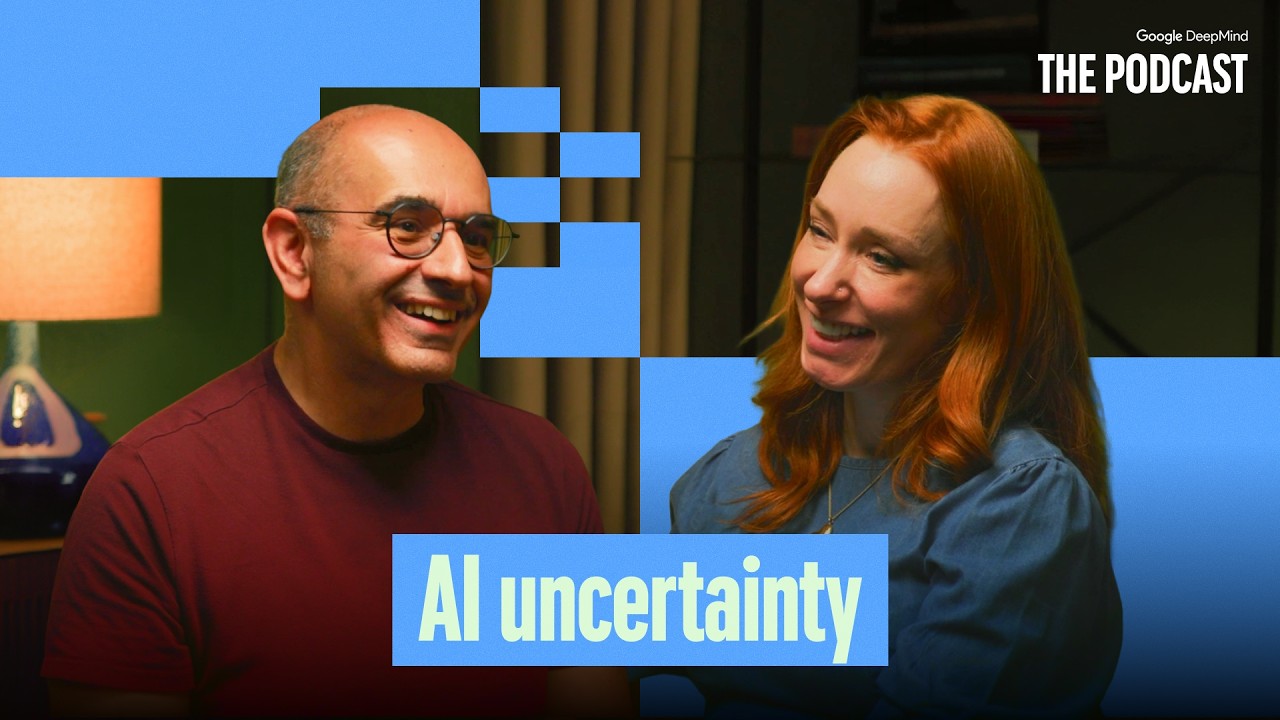
The mathematics of AI uncertainty

The mathematics of AI uncertainty

Zoubin Ghahramani, a leading researcher at Google DeepMind and professor at Cambridge, argues that incorporating uncertainty is a missing piece for ever-improving AI. He discusses the critical difference between correctness and confidence in AI, tracing the historical evolution of probabilistic models from early neural networks to modern Bayesian approaches. Ghahramani highlights how current large language models often 'fake' uncertainty and explores successful implementations in areas like weather forecasting and AlphaFold, ultimately advocating for architectural innovations over pure scale to build more robust, trustworthy, and human-aligned intelligent systems that understand their own limitations.

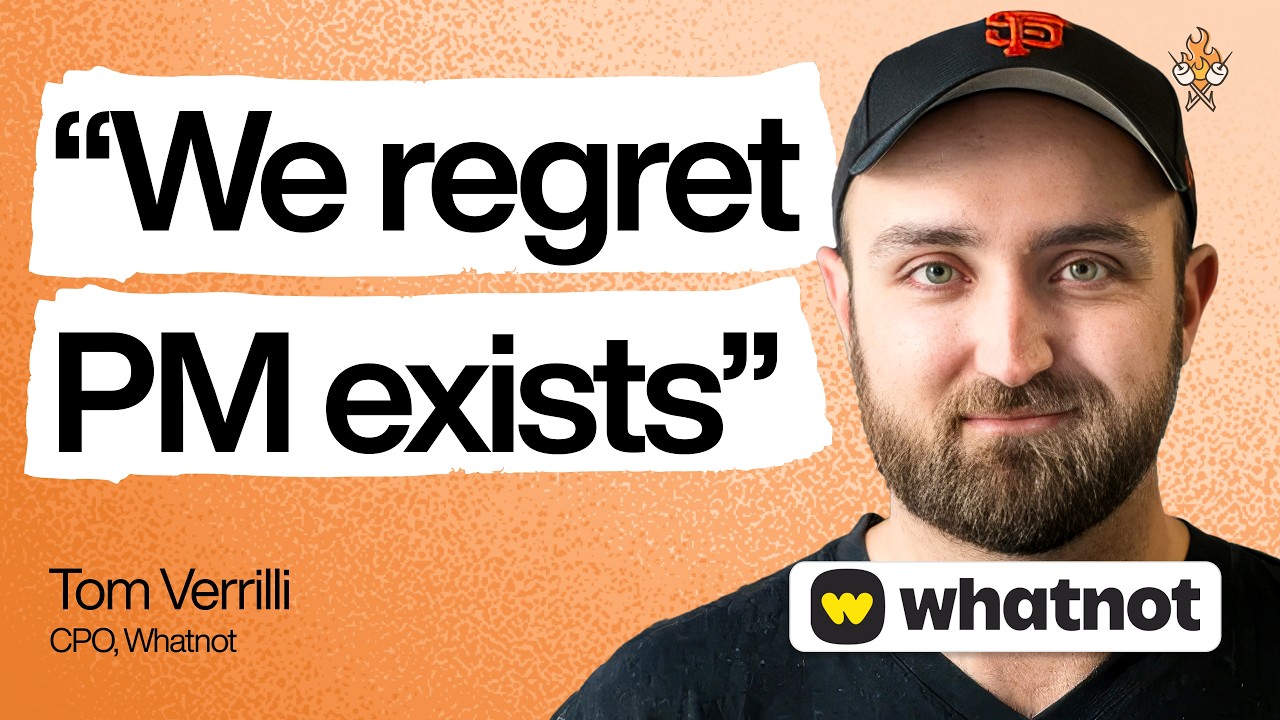
This CPO regrets that product management exists | Tom Verrilli (CPO of Whatnot)

This CPO regrets that product management exists | Tom Verrilli (CPO of Whatnot)

Tom Verrilli, CPO at Whatnot, discusses his controversial stance that "we regret product management exists," advocating for a leaner, more hands-on PM approach. He delves into how Whatnot structures its product team, its rigorous hiring process focused on deep systems thinking and IC work, and the transformative impact of AI on product and data science functions. Verrilli also shares mental models for balancing strategy and iteration, navigating the CPO-founder relationship, and key lessons from his time at Twitter, emphasizing the importance of core PM skills in an AI-driven world.

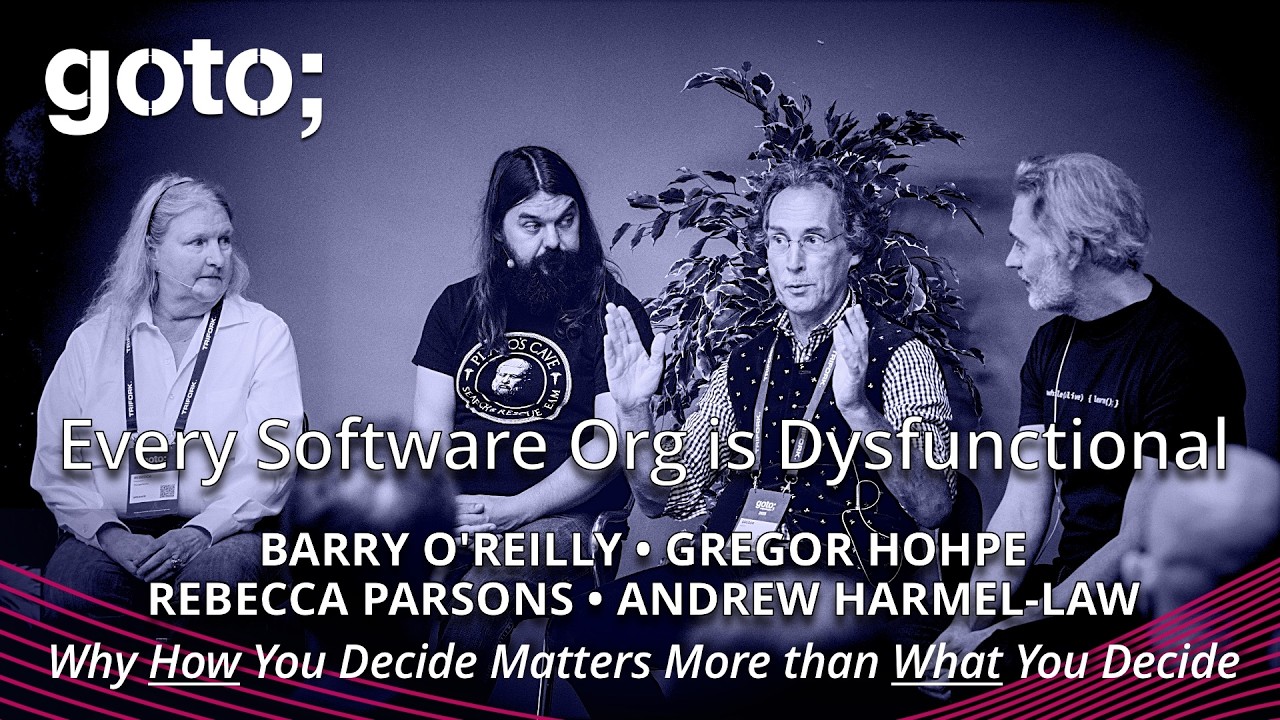
Every Software Org is Dysfunctional • R. Parsons, G. Hohpe, B. O'Reilly & A. Harmel-Law • GOTO 2025

Every Software Org is Dysfunctional • R. Parsons, G. Hohpe, B. O'Reilly & A. Harmel-Law • GOTO 2025

A panel of distinguished architects—Rebecca Parsons, Gregor Hohpe, Barry O'Reilly, and Andrew Harmel-Law—discuss the multifaceted world of software architecture. They explore the inevitability of organizational dysfunction, the critical role of architects in decision-making, and the impact of non-deterministic technologies like Generative AI and quantum computing on system design and organizational change.