Cybersecurity

The Policy Layer that Governs Africa’s Algorithmic Ecosystem

The Policy Layer that Governs Africa’s Algorithmic Ecosystem

Dr. Jane Munga presented findings from the Africa Technology Policy Tracker (AfTech), a repository of digital economy policies and laws across Africa. She discussed how AfTech reveals Africa's readiness to govern AI, highlighting 14 leading countries with AI strategies, data protection, and cybersecurity laws. The presentation emphasized critical issues like digital sovereignty, the impact of frontier technologies, the need for indigenous innovation, and Africa's role in global AI governance, while also addressing concerns about the "Brussels Effect" on legislation quality.

a16z Goes Global: Why American Tech Must Lead the World

a16z Goes Global: Why American Tech Must Lead the World

This discussion explores a16z's expanding international strategy, emphasizing technology's pivotal role in economic growth and national security. The panel delves into why America's tech leadership is crucial globally, how AI is redefining government-private sector relationships, and the drive for countries to adopt frontier technologies while building local innovation ecosystems. Key topics include AI infrastructure, cybersecurity, defense tech, global startup expansion, and the elements of enduring tech ecosystems, highlighting trusted partnerships and the importance of Western technology.

The new post-quantum cryptography executive order. Plus: What is Q-Day, really?

The new post-quantum cryptography executive order. Plus: What is Q-Day, really?

This episode delves into Q-Day, the anticipated future when quantum computers can break public key cryptography, and the U.S. Executive Order accelerating the transition to post-quantum cryptography. Experts discuss why Q-Day is a gradual process rather than a sudden event, the critical importance of "crypto-agility" as a long-term strategy, and the necessity for organizations to begin immediate discovery and planning to secure data against "collect now, decrypt later" threats. The discussion also touches upon the broader, transformative benefits of quantum computing beyond just security.

Plenary Talk 3​: Challenges and research opportunities for global hyperscale services

Plenary Talk 3​: Challenges and research opportunities for global hyperscale services

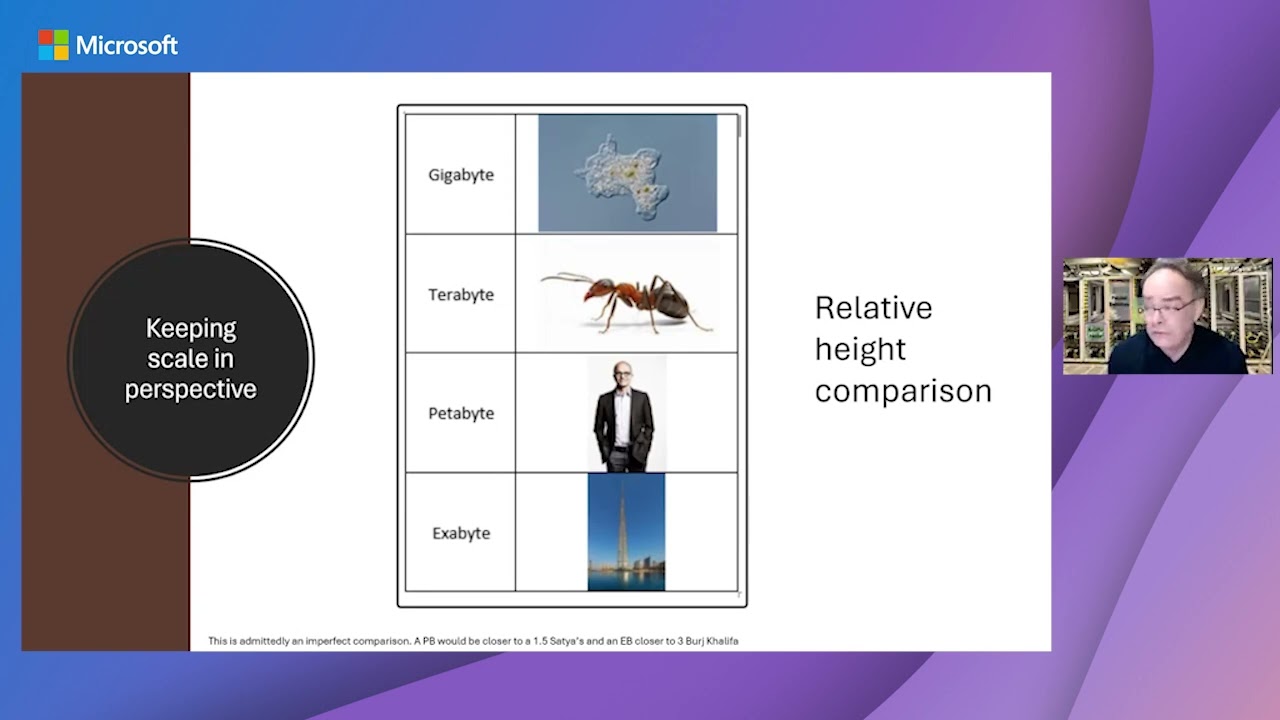
Jim Kleewein's talk outlines the immense challenges and critical research opportunities in building and operating global hyperscale services like Microsoft 365 and Azure. He emphasizes that at this scale, traditional approaches fail, necessitating a "new golden age of applied research" across areas like continuous availability, data management, security, and sustainability. Kleewein also discusses AI's powerful but limited role, stressing the ongoing need for human expertise, and highlights the ethical imperative to prevent failures that can have life-or-death consequences.

3‑2‑1 Backup Rule Explained: Protect Your Data from Disaster

3‑2‑1 Backup Rule Explained: Protect Your Data from Disaster

Jeff Crume outlines essential data resiliency strategies, starting with the 3-2-1 backup rule—three copies, two media types, one offsite—and expanding to include immutable or air-gapped backups, rigorous testing, and encryption. He emphasizes these principles for robust disaster recovery, ransomware protection, and minimizing costly downtime, highlighting the trade-offs in achieving high availability.

Why AI Agents Break Zero Trust at the Last Mile

Why AI Agents Break Zero Trust at the Last Mile

AI agents introduce a critical security gap when connecting to legacy enterprise systems, known as the 'agentic last mile identity problem'. This summary explains how losing user identity, context, and delegation breaks zero-trust principles and outlines a solution using a policy-driven vault to manage access and issue short-term credentials.