Conversational ai

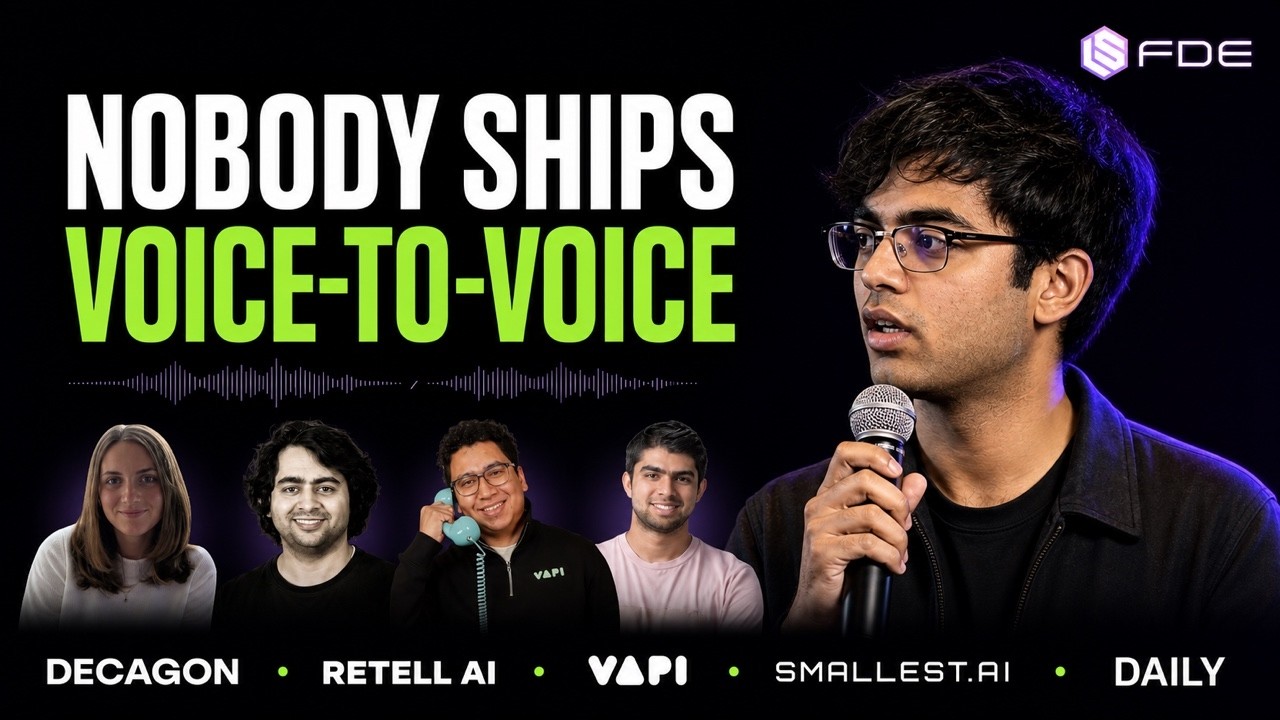
⏭️ Forward Deployed: Voice AI on what works in 2026

⏭️ Forward Deployed: Voice AI on what works in 2026

This podcast episode delves into the pragmatic realities of building and deploying voice agents in enterprise. Featuring leaders from Decagon, Vapi, Retell, Daily, and Smallest AI, the discussion uncovers why the current state-of-the-art relies on cascaded pipelines (STT -> LLM -> TTS) instead of direct voice-to-voice models. Key challenges explored include managing latency versus intelligence, ensuring system reliability through fallback models, the complexities of turn-taking, and architectural strategies to overcome LLM context limitations and optimize costs. The experts also touch upon the differences between inbound and outbound use cases, multilingual considerations, and the potential future of hybrid voice agent architectures.

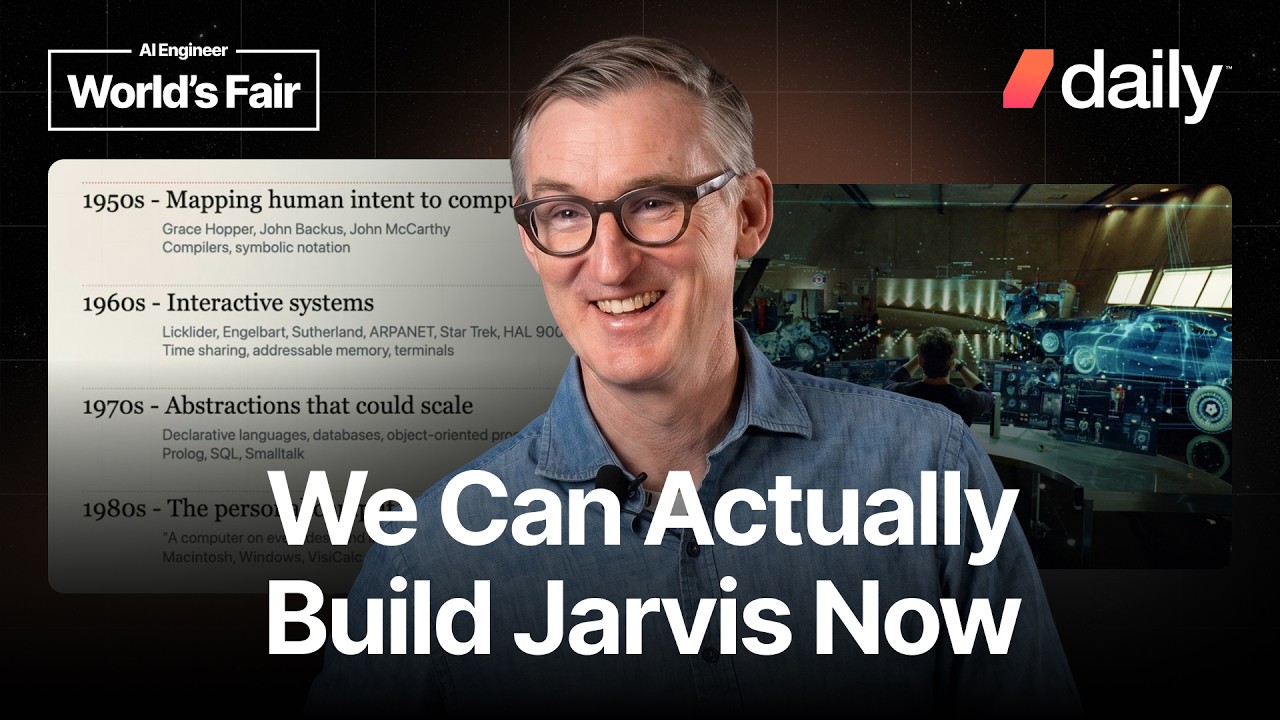
The New Primitives: Building AI Native Software — Kwindla Kramer, Daily

The New Primitives: Building AI Native Software — Kwindla Kramer, Daily

Kwindla Hultman Kramer argues that current AI agents are akin to 1995 web pages – a foundational primitive, not the ultimate destination. Drawing a historical parallel, he predicts the emergence of "AI native software" that will build upon and surpass agents, much like web applications evolved from simple web pages. He illustrates this through computing history, highlighting transformative shifts like VisiCalc's impact on accounting and the vision of Apple's Knowledge Navigator, and concludes by showcasing a game, Gradient Bang, that demonstrates the core primitives of this future AI native software.

The next generation of ChatGPT Voice

The next generation of ChatGPT Voice

An in-depth look into GPT Live, the next generation of full-duplex voice models in ChatGPT, designed for natural, continuous interaction. It highlights breakthroughs in concurrent processing, intelligent delegation to advanced models like GPT 5.5, real-time semantic translation, and proactive language coaching, aiming to transform AI interactions into fluid, intelligent conversations akin to human dialogue.

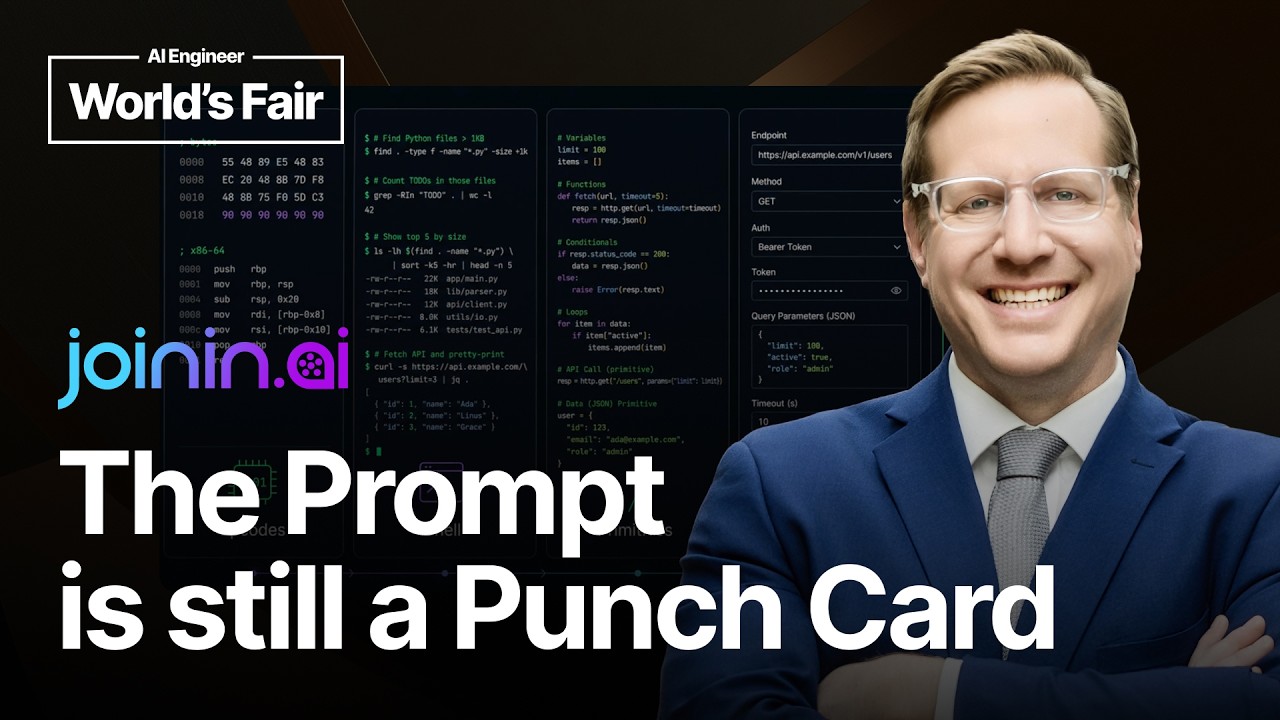
The Prompt Is Still a Punch Card - Ted Johnson, JoinIn AI

The Prompt Is Still a Punch Card - Ted Johnson, JoinIn AI

Ted Johnson argues that current AI interfaces, particularly prompting, operate on an outdated "batch processing" protocol akin to punch cards. Despite advanced LLM capabilities, this interface design forces humans to adapt to machines, hindering natural interaction. He advocates for a shift towards human-compatible interfaces where AI actively participates in real-time conversation, leveraging its intelligence to remove user burdens and amplify human potential.

The Latency Goldilocks Zone Explained

The Latency Goldilocks Zone Explained

Rafael Borger and Daniel Wolbert from iFood discuss the engineering and product strategy behind ILO-Agent, their conversational AI for 200 million users. They cover hyper-personalized recommendation systems, the "Latency Goldilocks Zone" where AI responses can be too fast for users to trust, and the architectural challenges of building multi-channel agents for text and voice.

Building MCP Before MCP Existed: Inside Despegar's Sofia Agent

Building MCP Before MCP Existed: Inside Despegar's Sofia Agent

A deep dive into Despegar's GenAI travel agent, Sofia. Explore its multi-agent architecture, the custom orchestration layer 'Chappi' built before MCP was a standard, and the strategy of decentralizing agent development across company squads to cover the entire five-phase travel arc.