Context graphs

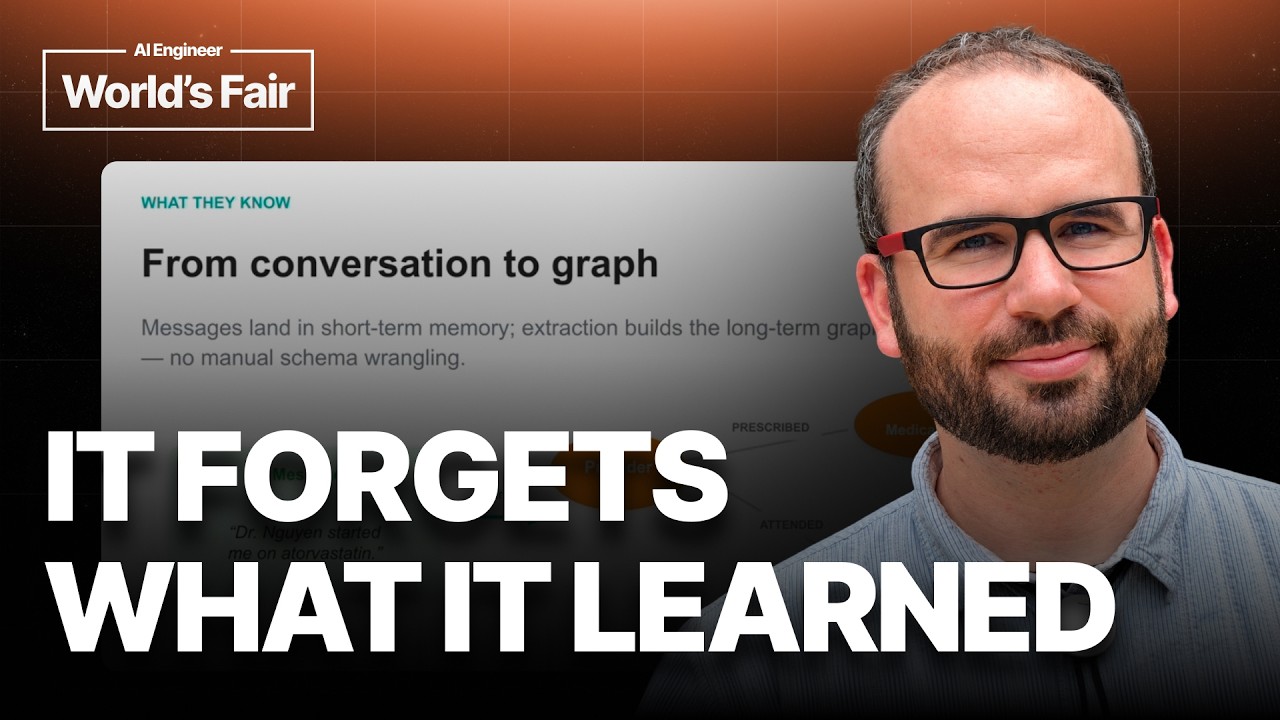
Turning Agent Memory Into Skills That Work — Will Lyon, Neo4j

Turning Agent Memory Into Skills That Work — Will Lyon, Neo4j

Neo4j's Will Lyon argues that embedding-based retrieval gives agents recall but not actionable knowledge. He presents a context graph model of agent memory with short-term, long-term, and reasoning memory, then shows how to distill grounded, governed skills from that graph using APE typed execution graphs, with grounding, coverage, and coherence checks, staleness alerts, and a live demo of the Neo4j Agent Memory Service building a patient-intake skill.
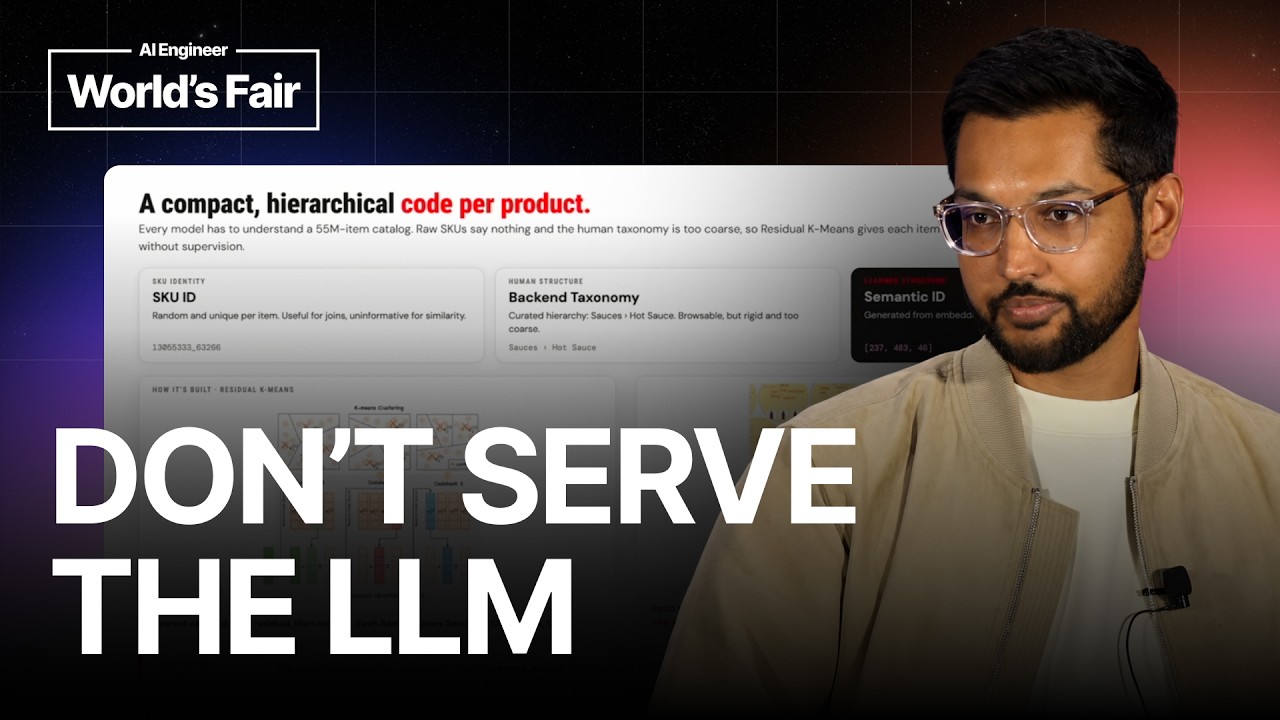
Distill the LLM, Don't Serve It: Search & Personalization at DoorDash — Raghav Saboo, DoorDash

Distill the LLM, Don't Serve It: Search & Personalization at DoorDash — Raghav Saboo, DoorDash

Raghav Saboo, Staff ML Engineer at DoorDash, argues that semantic understanding, not engagement, is the real bottleneck in marketplace discovery. He walks through four LLM-driven primitives (graded relevance supervision, semantic IDs, multi-timescale consumer memory, and steerable personalized collections) and explains the core pattern of reasoning offline with LLMs and distilling that into fast serving models.

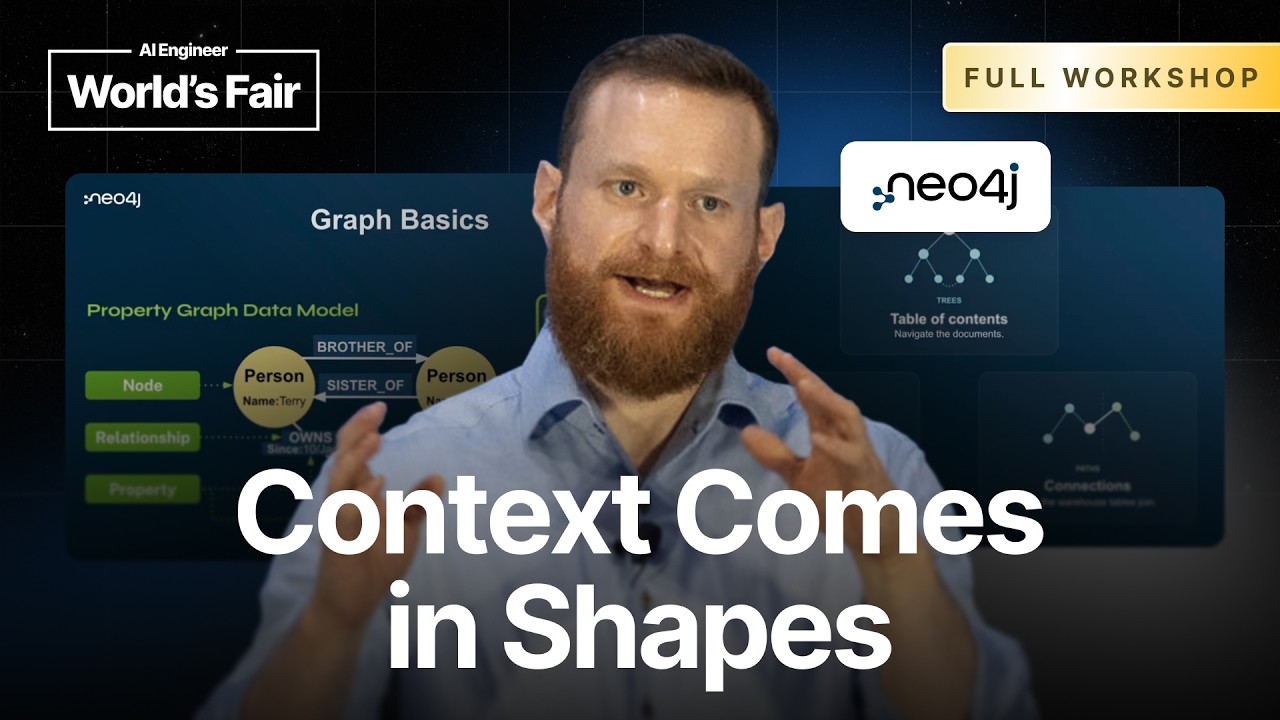
AI on Your Lakehouse: Context Comes in Shapes, Not Queries — Zach Blumenfeld, Neo4j

AI on Your Lakehouse: Context Comes in Shapes, Not Queries — Zach Blumenfeld, Neo4j

AI agents often struggle with context in lakehouses, leading to confident but incorrect answers. This workshop by Zach Blumenfeld introduces three Neo4j graph shapes built on lakehouse data—Connections (semantic layer), Trees (document outlines), and Communities (themes)—to provide essential context, enabling agents to accurately navigate structured and unstructured data, answer complex estate-level questions, and overcome limitations of traditional Text2SQL and vector search.

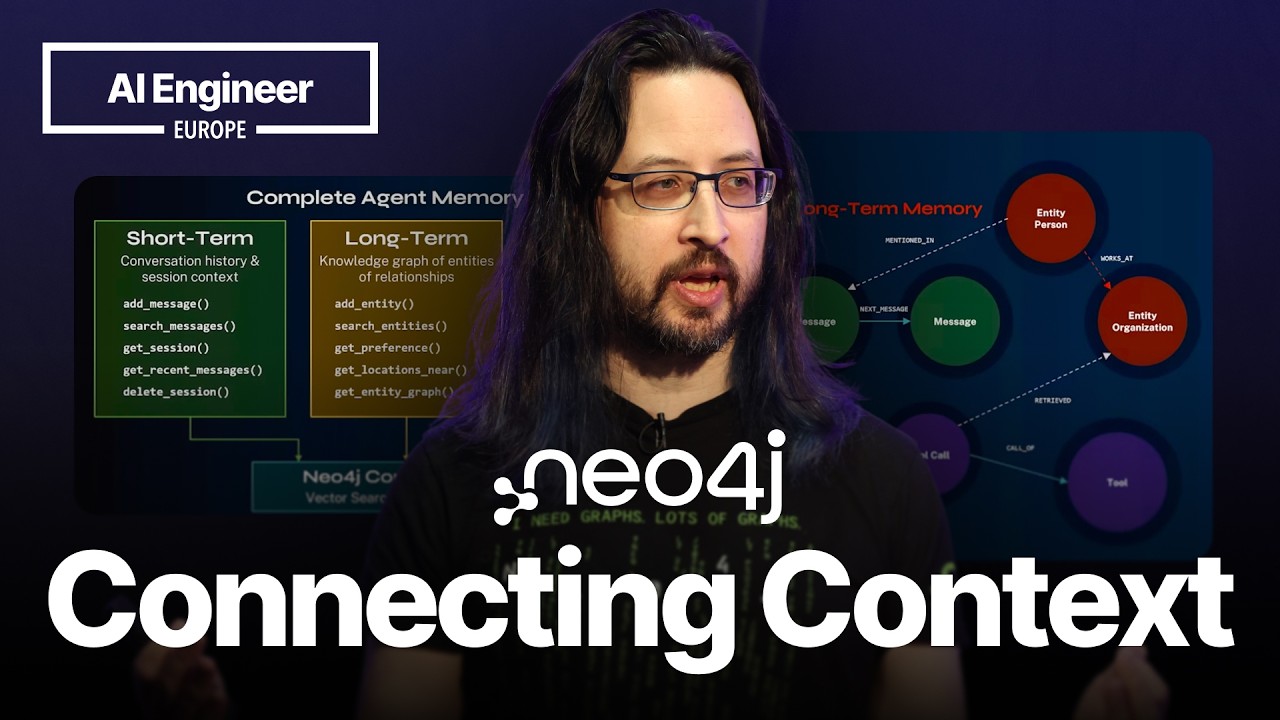
Connecting the Dots with Context Graphs — Stephen Chin, Neo4j

Connecting the Dots with Context Graphs — Stephen Chin, Neo4j

Stephen Chin of Neo4j argues that traditional RAG is insufficient because AI agents lose the reasoning behind past decisions. He introduces Context Graphs as a solution to capture the 'why' behind decisions, creating a queryable system of precedent that provides grounded, explainable, and auditable results.