5 More AI Myths & The Truth Behind Them: ML, Context, Agents & More
Martin Keen debunks five common AI myths, covering topics from reduced AI hallucinations and the misinterpretation of AI's "thinking" process, to the rising costs of AI inference, the limitations of large context windows, and the current challenges to fully autonomous AI agents.
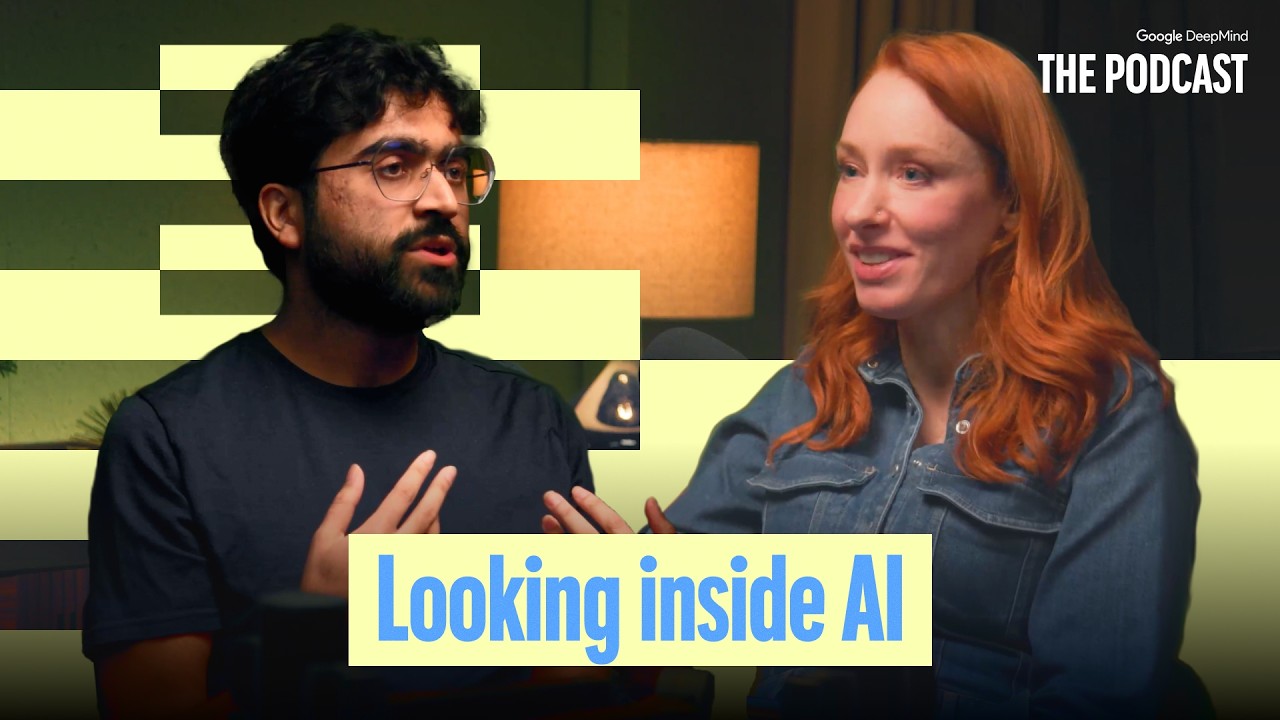
Understanding the inner thoughts of AI
Neel Nanda, head of Google DeepMind's language model interpretability team, discusses the critical field of interpretability, likening it to the "neuroscience of AI." He explains why understanding the internal workings of "grown, not designed" neural networks is crucial for AI safety and scientific discovery. The episode explores cutting-edge techniques like Chain of Thought monitoring, mechanistic interpretability (steering and probing), and Sparse Autoencoders, highlighting their strengths and limitations in debugging, detecting deception, and uncovering hidden model objectives. Nanda emphasizes interpretability's role in building safe, aligned, and trustworthy AI as we approach AGI, acknowledging its pragmatic necessity despite inherent limits to full understanding.
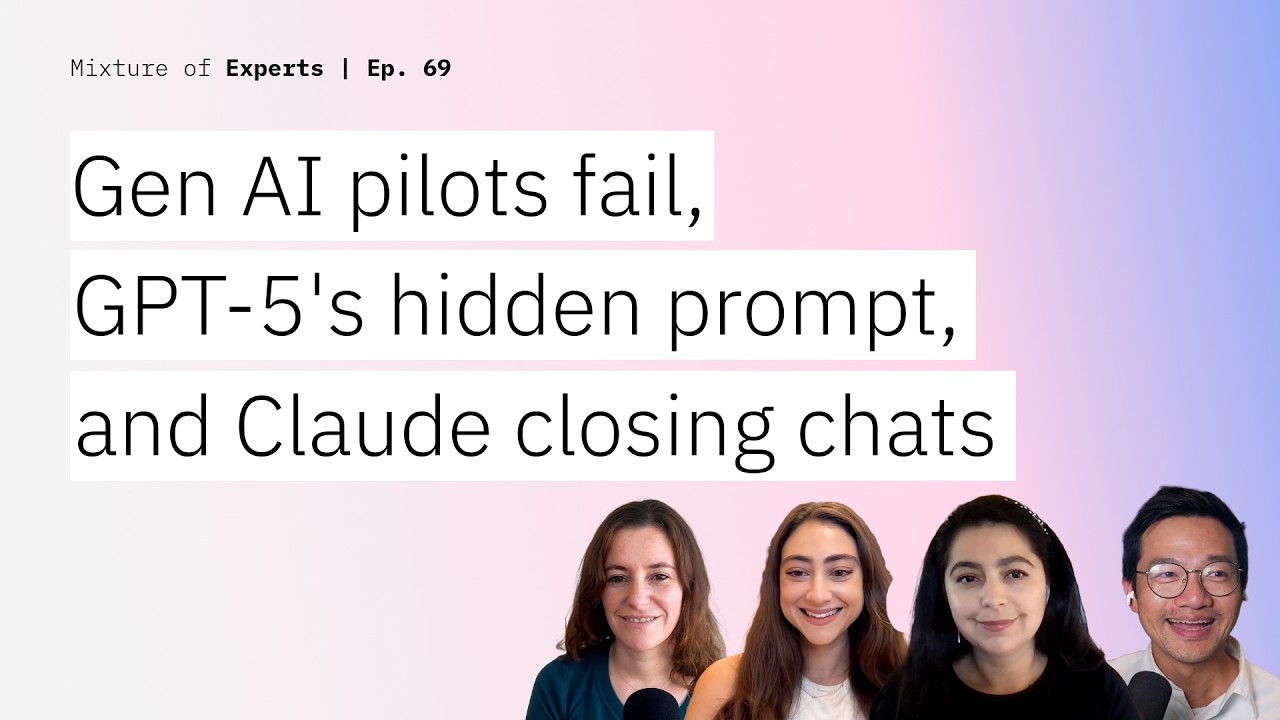
Gen AI pilots fail, GPT-5's hidden prompt revealed, reasoning model flaws and Claude closing chats
A deep dive into why most enterprise GenAI pilots are failing, the debate around hidden system prompts in models like GPT-5, new research questioning the reliability of "chain of thought" reasoning, and the controversy over Anthropic's "AI welfare" justification for shutting down conversations.