Browser automation

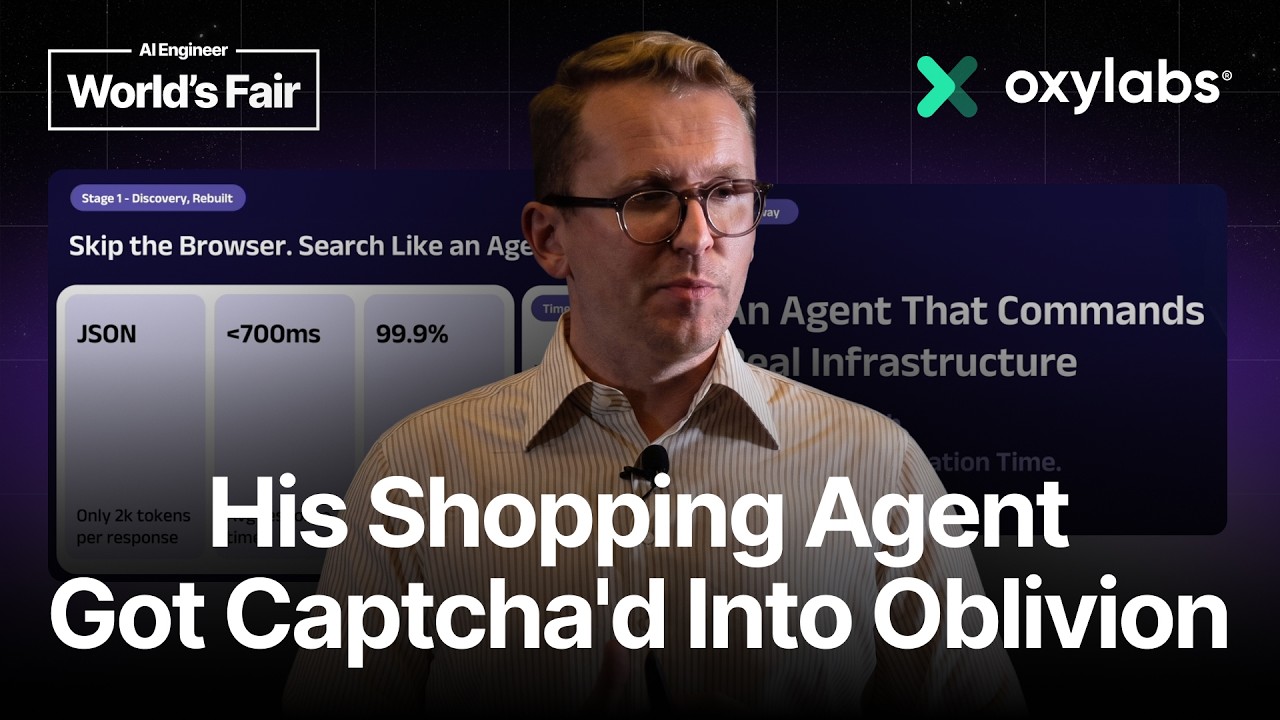
The Missing Layer in Agentic AI — Giedrius Šteimantas, Oxylabs

The Missing Layer in Agentic AI — Giedrius Šteimantas, Oxylabs

Giedrius Šteimantas discusses the often-overlooked infrastructural layer for AI agents operating on the open web. He highlights how traditional browser automation leads to high costs and unreliability, particularly due to CAPTCHAs and invalid content. Drawing from ten years of web scraping experience at Oxylabs, he presents a multi-stage solution that prioritizes cost-efficiency and content validation, using specialized APIs and hardened headless browsers only when absolutely necessary, thus significantly reducing token waste and improving agent performance.

Harnesses in AI: A Deep Dive — Tejas Kumar, IBM

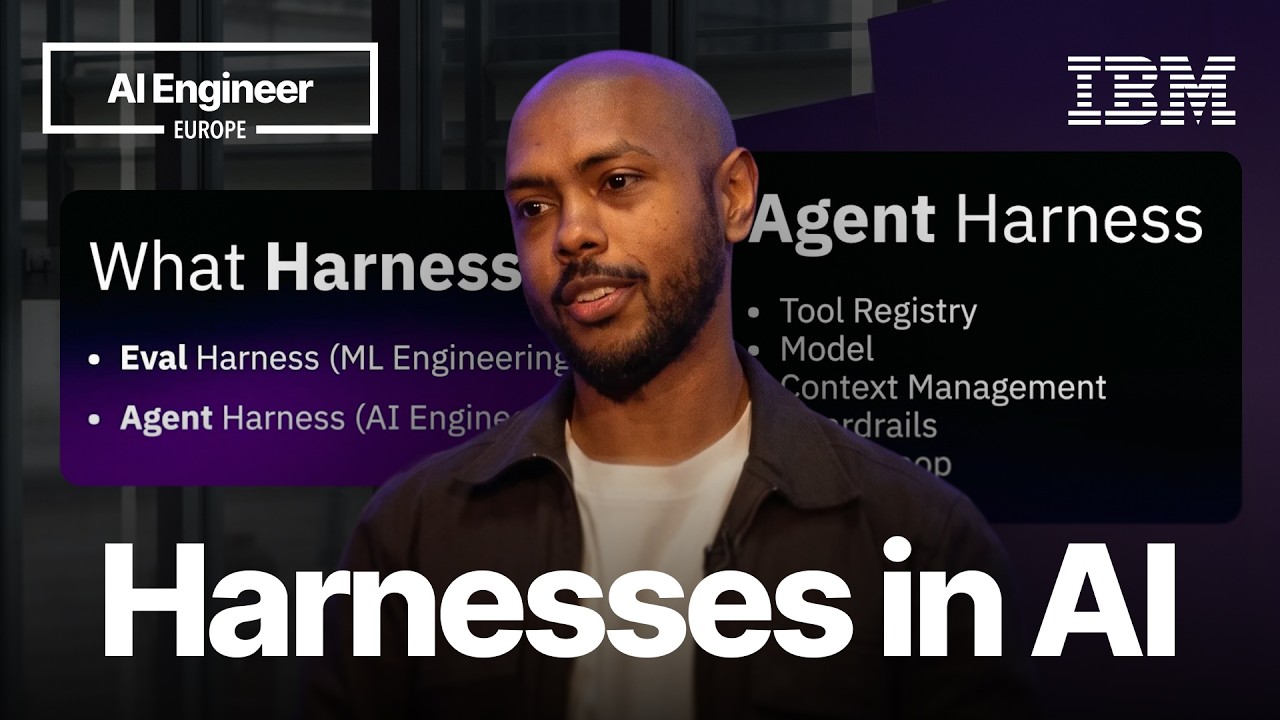
Harnesses in AI: A Deep Dive — Tejas Kumar, IBM

A deep dive into AI harnesses, explaining how to build a programmatic environment around an LLM agent to ensure reliability without prompt engineering. The talk demonstrates building a harness for a browser agent to reliably log in and upvote a post on Hacker News using GPT-3.5 Turbo.

Inside Garry Tan's Claude Code Setup

Inside Garry Tan's Claude Code Setup

Garry Tan, President & CEO of Y Combinator, introduces GStack, an open-source toolkit that structures Claude into a complete AI engineering team. He demonstrates how GStack's skills—like 'Office Hours' for idea validation, 'Design Shotgun' for UI mockups, and browser-based QA—streamline the development process from concept to code.

Catastrophic agent failure and how to avoid it // Edward Upton // Agents in Production 2025

Catastrophic agent failure and how to avoid it // Edward Upton // Agents in Production 2025

Edward, a founding engineer at Asteroid, discusses the critical challenge of managing catastrophic failures in agentic browser solutions, particularly in high-stakes domains like healthcare and insurance. He shares real-world examples of agent failures and outlines a practical framework for building more reliable, predictable, and accountable agents by scoping their capabilities, implementing robust human-in-the-loop tooling, and employing independent evaluation systems.