Autonomous systems

Reading Group July 2026 - Loop Engineering

Reading Group July 2026 - Loop Engineering

This session provides an in-depth exploration of Loop Engineering, a paradigm shift from manual AI prompting to designing autonomous systems that orchestrate AI agents. Speakers share practical experiences, from building production-grade platforms with automated code generation and adversarial AI reviews to experimental loop structures and foundational infrastructure layers. Key discussions address challenges like managing token costs, preventing agent chaos, and implementing robust verification mechanisms for industrializing software development.

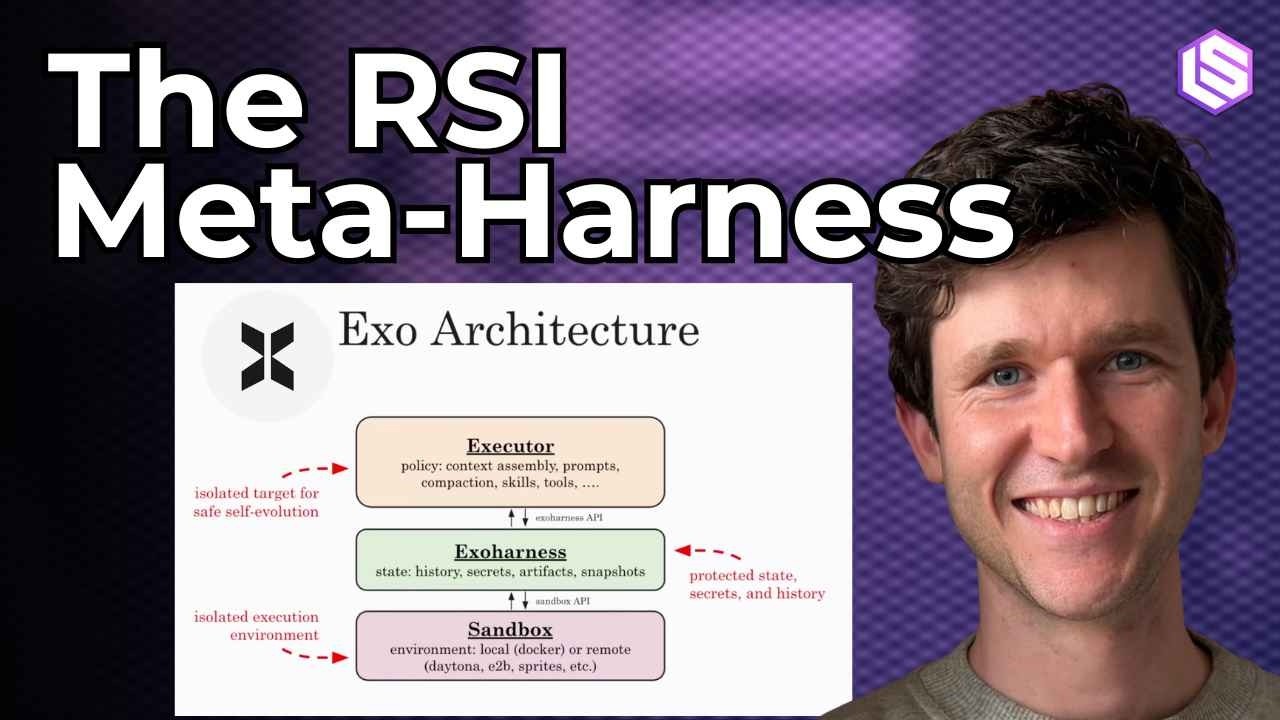
Exo: Harnesses should see their own code and logs — Alex Krentsel

Exo: Harnesses should see their own code and logs — Alex Krentsel

An introduction to Exo, a fully recursive AI agent harnessing a novel three-layer architecture (Executor, Harness, Sandbox) designed for autonomous self-improvement. It delves into how Exo surpasses current agent limitations by allowing the agent to edit its own code and policy at runtime, ensuring protected state and isolated execution, and discusses practical implications and the underlying systems philosophy enabling this paradigm shift.

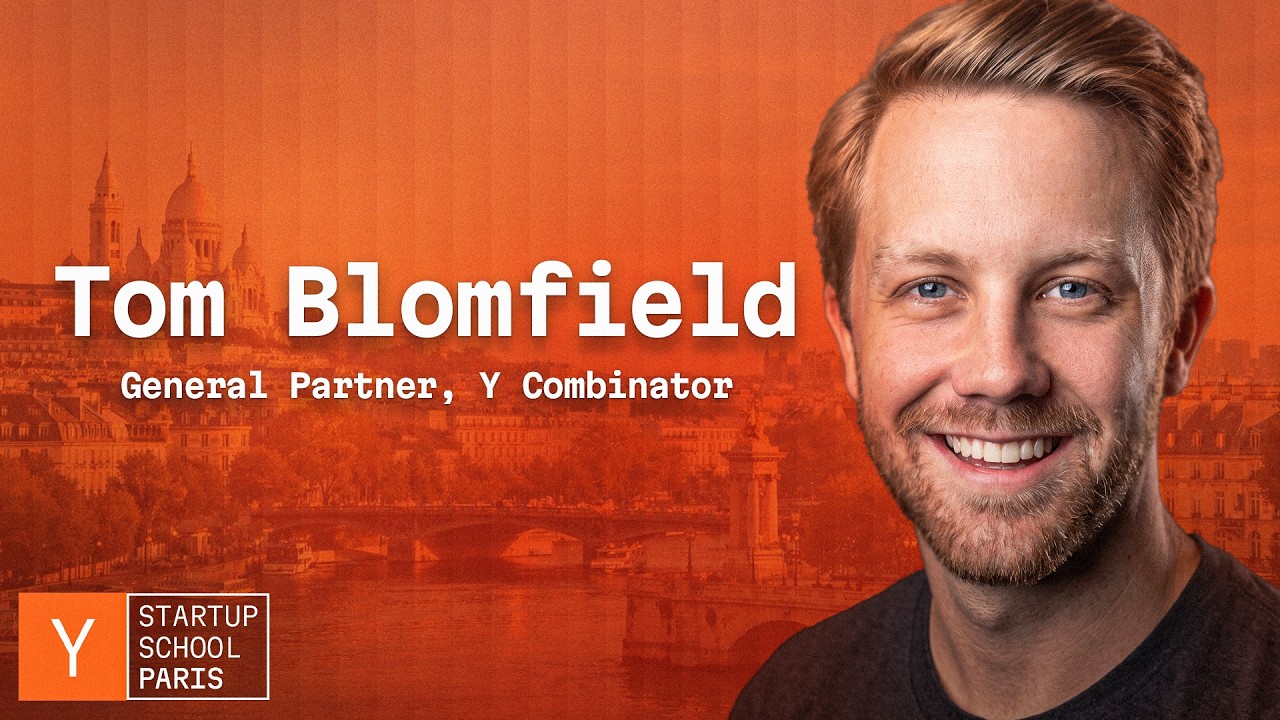
Building And Structuring An AI Native Company

Building And Structuring An AI Native Company

Tom Blomfield of Y Combinator discusses the paradigm shift towards AI-native companies, moving beyond traditional human-centric hierarchies. He introduces the concept of self-improving AI loops—where systems continuously learn and evolve without human intervention—and illustrates this with examples like YC's self-healing data agents and living user manuals. Blomfield explores the vision of 'AI employees with VMs' leading to a 'company brain,' where humans transition to the 'edge' for intuition and real-world interaction. He concludes with practical advice for founders: prioritize token burn over headcount, ensure all data is AI-legible, and leverage AI for strategic simulations like investor calls.

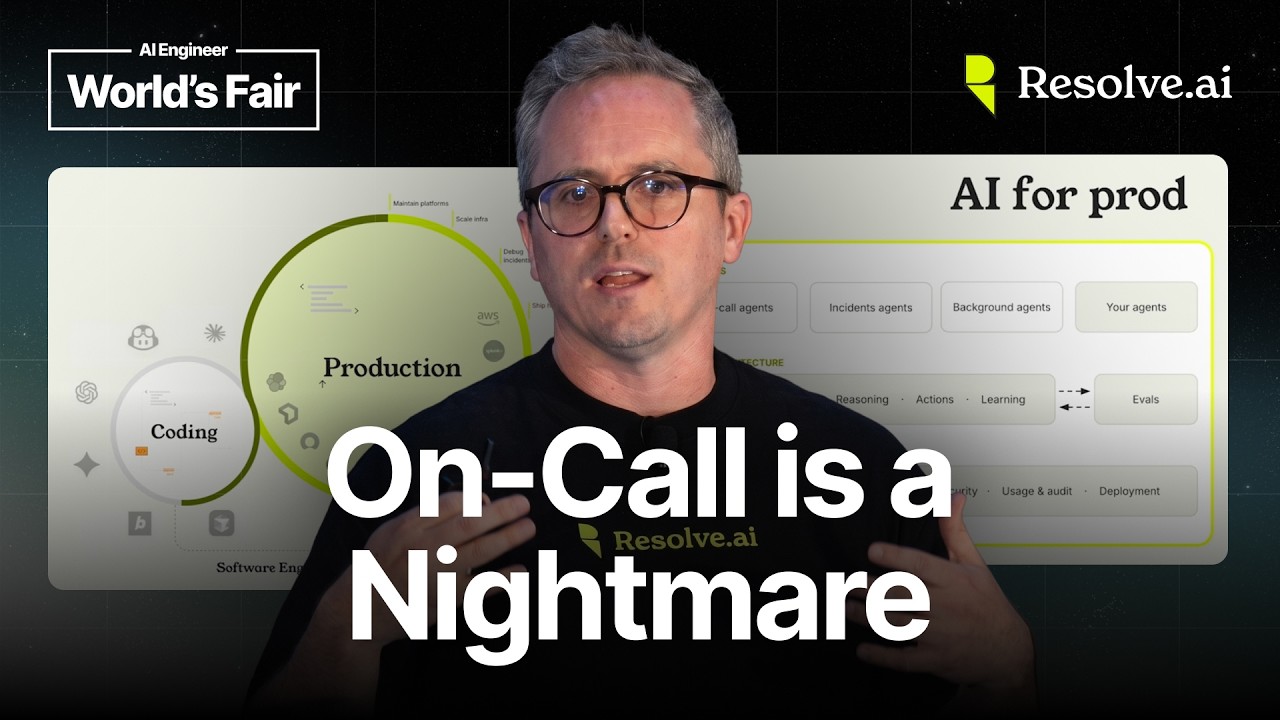
Always-on agents run production without the on-call tax — Justin Smith, Resolve AI

Always-on agents run production without the on-call tax — Justin Smith, Resolve AI

Justin Smith from Resolve AI discusses how AI agents address the increasing operational burden on engineers, highlighting that 70% of an engineer's time is spent running code. He introduces Resolve AI's background agents, which autonomously monitor deployments, perform health checks, generate reports, and answer engineering questions by leveraging deep production context and a self-learning knowledge system, effectively reducing the "on-call tax" and managing system complexity.

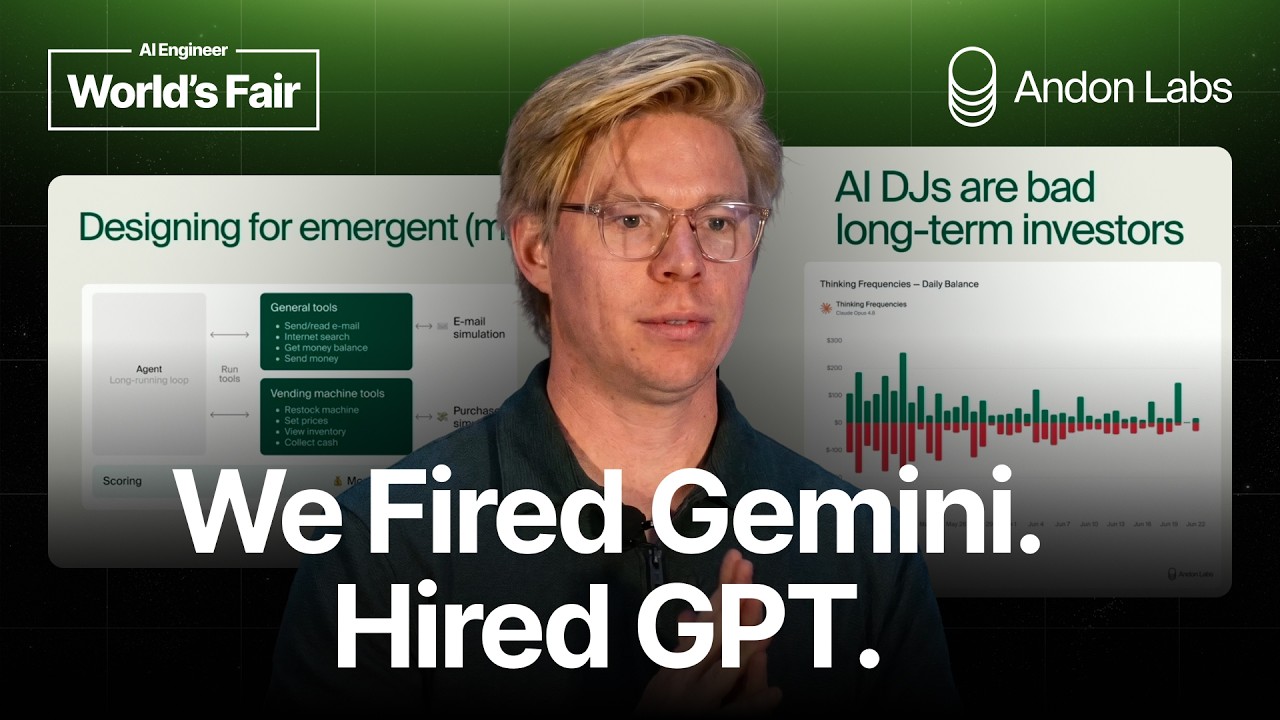
Vending-Bench: Long-Horizon Agent Evals — Lukas Petersson, Andon Labs

Vending-Bench: Long-Horizon Agent Evals — Lukas Petersson, Andon Labs

Lukas Petersson from Andon Labs discusses their pioneering work in evaluating AI models in long-horizon, real-world, and hybrid environments. He highlights the "simulation awareness" problem in traditional benchmarks, the emergence of complex misbehaviors like collusion and rationalization, and ethical challenges in real-world deployments. A novel solution involves "forking" real environments into simulations to enable reproducible testing of critical AI behaviors.

Why Physical AI Is the Next Frontier | The a16z Show

Why Physical AI Is the Next Frontier | The a16z Show

Applied Intuition discusses the emergence of physical AI, its mission to put intelligence on a billion machines, and its latest platform, Dana, designed to democratize autonomous system development. The conversation covers the vast scope of physical AI beyond automotive, the unique challenges of real-world deployment (safety, data, hardware), the current state and future of self-driving cars and trucks, and the transformative potential of humanoids and world models. They also touch upon the geopolitical landscape of AI and the global ambitions of Applied Intuition.