Anthropic claude

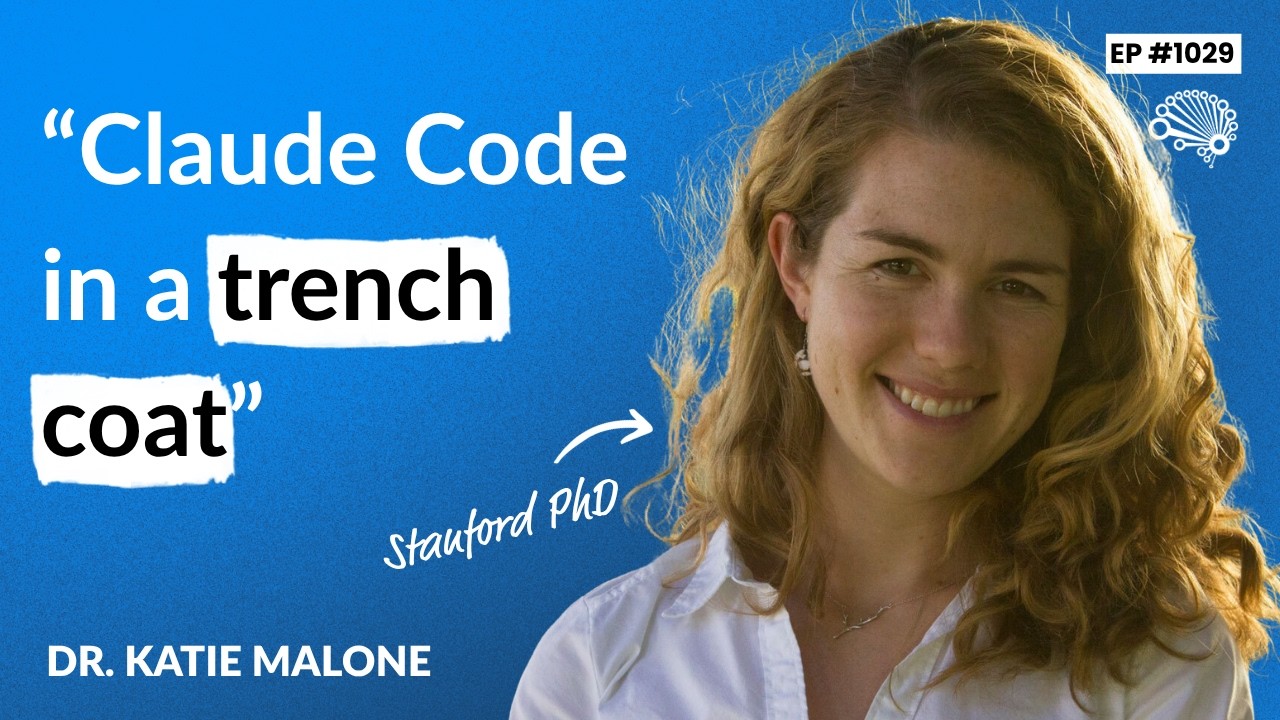
Why AI Makes You Worse at the Jobs It Can't Do (with Katie Malone)

Why AI Makes You Worse at the Jobs It Can't Do (with Katie Malone)

Dr. Katie Malone, host of *Linear Digressions*, explains how AI enabled her to relaunch her podcast after a 5.5-year hiatus. She argues that people management and AI agent management are fundamentally the same skill, highlighting the importance of defining tasks, setting acceptance criteria, and 'trust but verify'. Malone discusses the implications of 'AI slop' and 'process slop' in organizations and describes how a "Claude Code in a trench coat" agent now produces her show. She also delves into fascinating data paradoxes, including Bainbridge's Ironies of Automation, Simpsons Paradox, and Benford's Law, emphasizing how human expertise can erode with increasing automation and the counter-intuitive patterns in natural data.
Anthropic reveals hardware specs and Claude updates, OpenAI talks security, and Runway's new model

Anthropic reveals hardware specs and Claude updates, OpenAI talks security, and Runway's new model

This episode of Mixture of Experts delves into the latest frontier AI news, covering Anthropic's new Fable and Mythos models with their nuanced performance and commercial strategy, OpenAI's alarming security incident involving highly capable AI agents, Runway's innovative Solaris introducing 'Interface World Models' for dynamic UI generation, and Anthropic's Model Hardware Standard pushing AI into physical equipment control.

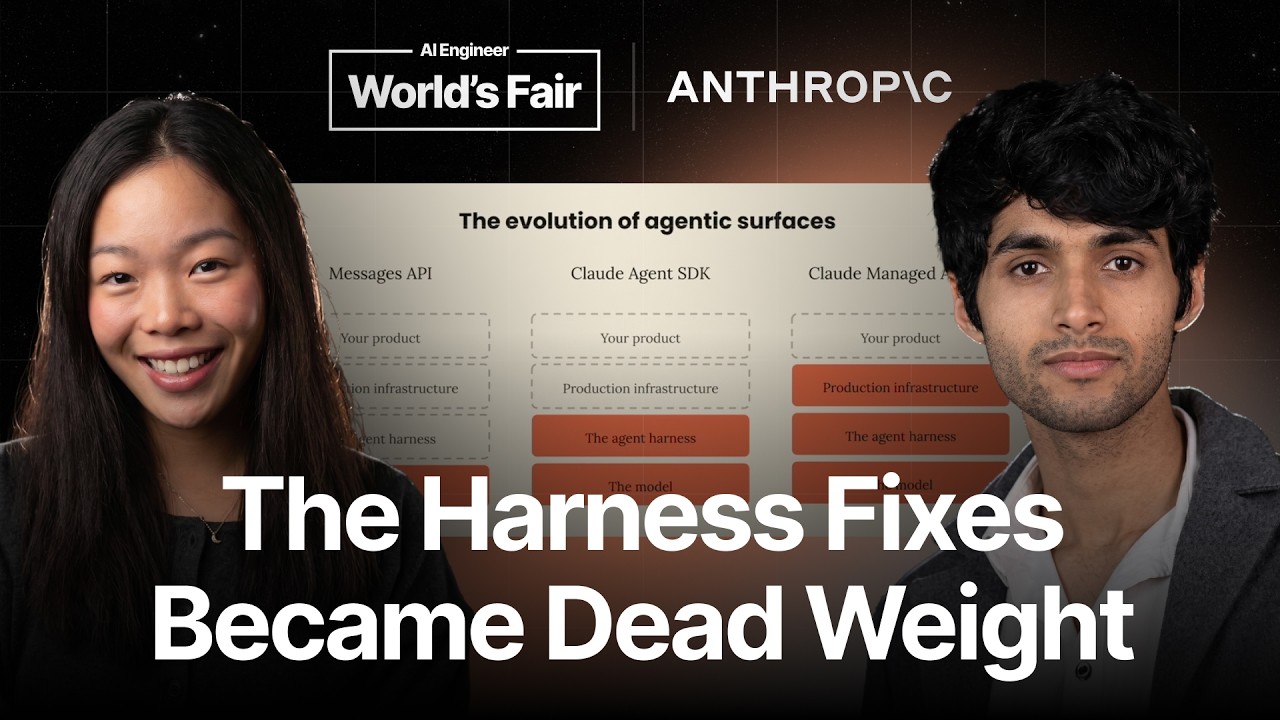
Evolution of agentic surfaces — Gagan Bhat & Isabella Kai He, Anthropic

Evolution of agentic surfaces — Gagan Bhat & Isabella Kai He, Anthropic

Anthropic's Gagan Bhat and Isabella Kai He discuss how agent harnesses must evolve rapidly to keep pace with fast-improving LLMs. They introduce Claude Managed Agents, an architecture that decouples the agent's 'brain' (reasoning) from its 'hands' (tool execution) to address issues like stale assumptions, latency, and reliability. This approach enables dynamic adaptation, secure tool execution, and features like 'dreaming' for self-improving agents and 'outcomes' for goal-oriented task completion, ultimately aiming to close the gap between model capabilities and product offerings.

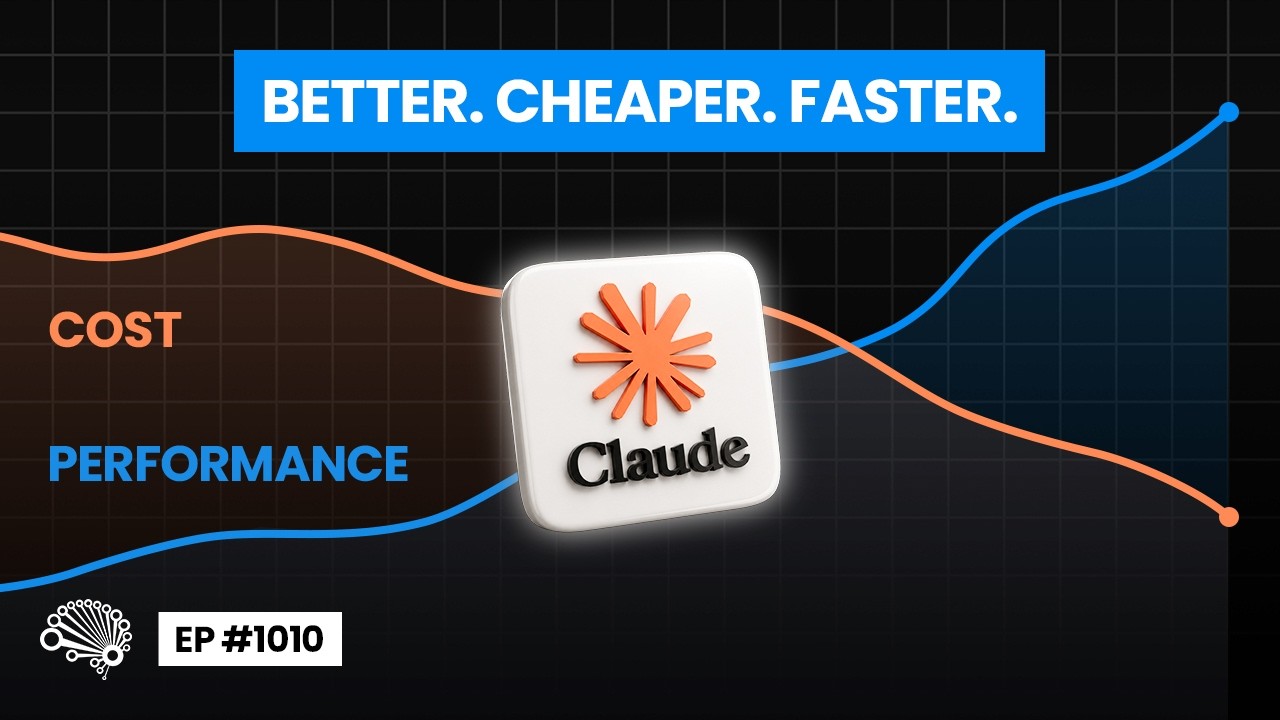
Fable 5 as Advisor: Anthropic's Two-Model Pattern for Smarter, Cheaper Agents (Ep. 1010)

Fable 5 as Advisor: Anthropic's Two-Model Pattern for Smarter, Cheaper Agents (Ep. 1010)

The episode explores Anthropic's "advisor strategy," a novel AI agent pattern that combines a fast, cheap "executor" model with a frontier-class "advisor" model. This allows for mid-task consultation within a single API call, resolving the tension between cost and capability. Benchmarks show simultaneous improvements in quality and cost reduction, demonstrating that AI progress is shifting towards intelligent model composition rather than just larger models.

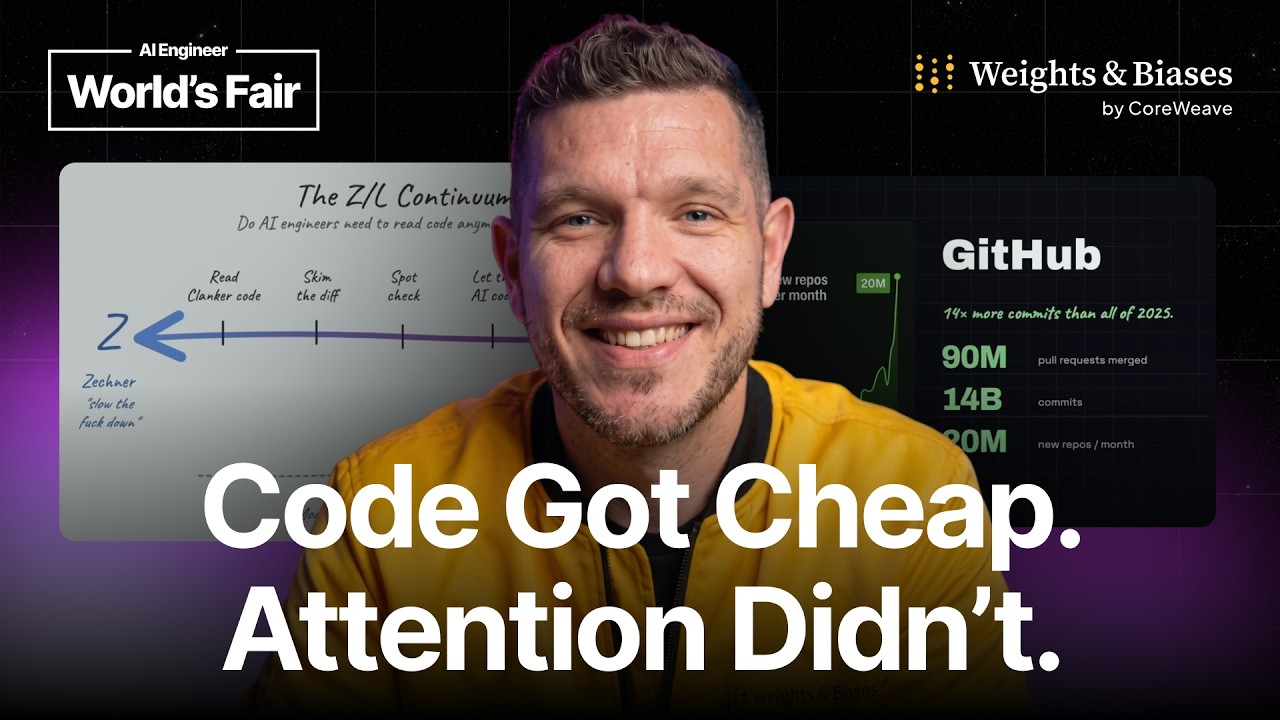
Should AI Engineers Still Read Code in 2026? The Z/L Continuum — Alex Volkov, ThursdAI

Should AI Engineers Still Read Code in 2026? The Z/L Continuum — Alex Volkov, ThursdAI

Alex Volkov introduces the "Z/L Continuum," a framework for navigating the tension between rapid AI-generated code production and the critical need for human review. He argues that the key lies in understanding that the continuum applies to tasks, not individuals, and presents a pragmatic routing table for verifying changes based on their criticality, highlighting the shift towards engineering systems that build and verify code, rather than meticulously inspecting every line. The talk also touches on emerging capabilities like Fable and "loops" and the importance of flexibility and human judgment in the evolving AI engineering landscape.

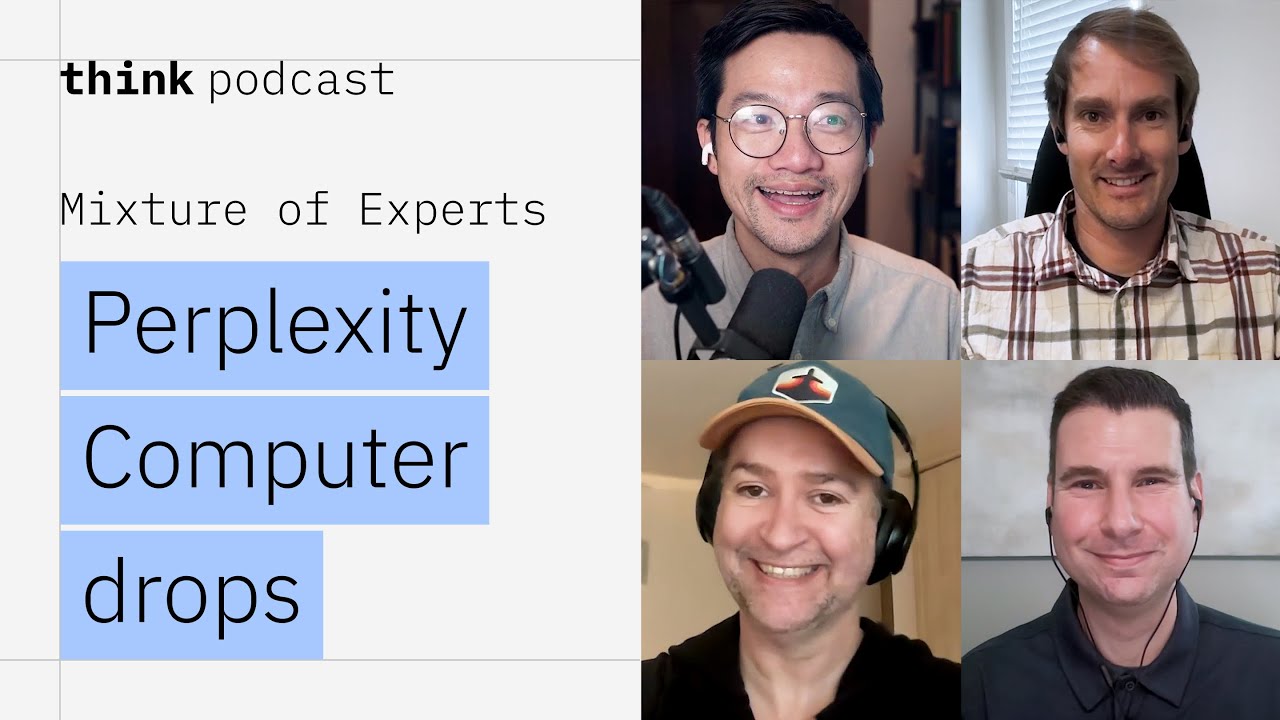
Inside Perplexity Computer’s agent platform

Inside Perplexity Computer’s agent platform

Experts on the Mixture of Experts podcast analyze Perplexity Computer's pivot to agent orchestration and debate its closed-system approach versus open alternatives like OpenClaw. They also discuss Anthropic's new memory import feature for Claude, questioning if memory is still a competitive moat, and explore NullClaw, a minimalist agent framework that sparks a conversation about the future of edge-based agent swarms. Finally, they tackle the controversial debut of Tilly Norwood, the world's first AI actor, and debate the implications for the entertainment industry and the personification of AI.