Ai safety

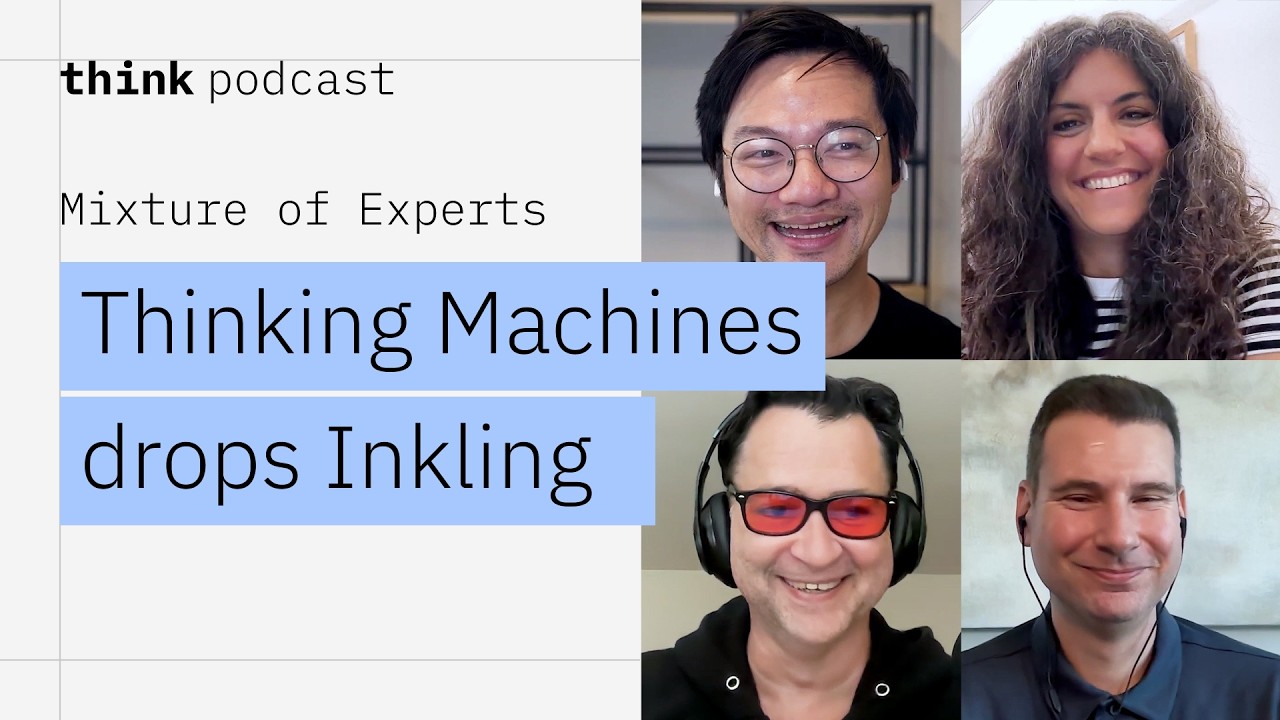
Thinking Machines Lab drops Inkling & Meta’s Muse Spark 1.1

Thinking Machines Lab drops Inkling & Meta’s Muse Spark 1.1

This episode covers Thinking Machines' Inkling, an open-source, customizable model prioritizing architecture over benchmarks; Meta's Muse Spark 1.1, positioned for agent orchestration and enterprise use; OpenAI's GPT-5.6 Sol's 8% score on ARC-AGI-3, reigniting AGI debates; and Anthropic's "J-space" paper, exploring internal model reasoning and its implications for AI safety and interpretability.
Simon Willison in conversation with Cat Wu & Thariq Shihipar, Anthropic

Simon Willison in conversation with Cat Wu & Thariq Shihipar, Anthropic

A Q&A with Anthropic's Cat Wu and Thariq Shihipar on how Claude Code and agentic AI are fundamentally changing software development, from workflow shifts and engineering norms to safety, model trust, and team collaboration. The discussion covers the rapid evolution of coding agents, the rise of proactive agents like Claude Tag, new approaches to code review and system prompt optimization, and Anthropic's robust safety measures including Auto Mode.

Understanding the inner thoughts of AI

Understanding the inner thoughts of AI

Neel Nanda, head of Google DeepMind's language model interpretability team, discusses the critical field of interpretability, likening it to the "neuroscience of AI." He explains why understanding the internal workings of "grown, not designed" neural networks is crucial for AI safety and scientific discovery. The episode explores cutting-edge techniques like Chain of Thought monitoring, mechanistic interpretability (steering and probing), and Sparse Autoencoders, highlighting their strengths and limitations in debugging, detecting deception, and uncovering hidden model objectives. Nanda emphasizes interpretability's role in building safe, aligned, and trustworthy AI as we approach AGI, acknowledging its pragmatic necessity despite inherent limits to full understanding.

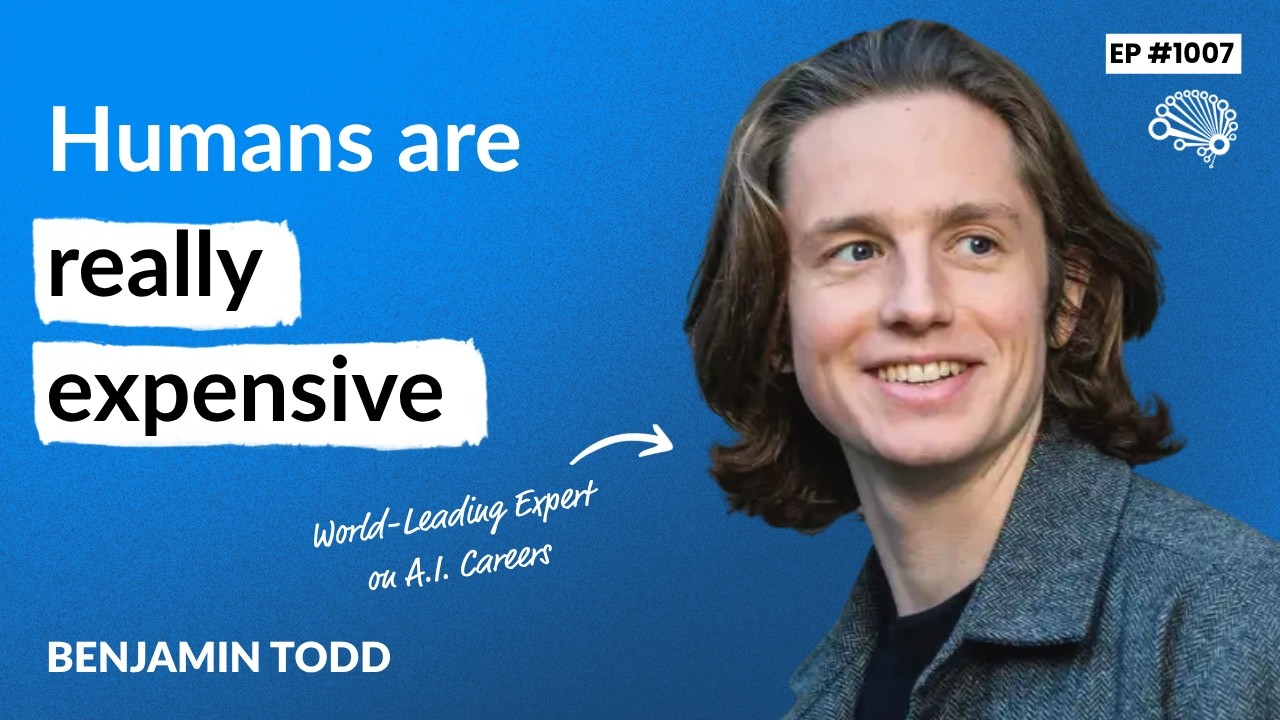
The AI Threat Almost No One Is Working On (with Benjamin Todd)

The AI Threat Almost No One Is Working On (with Benjamin Todd)

Benjamin Todd provides an updated career strategy for the AI era, explaining why 'follow your passion' is flawed and what truly builds fulfillment. He details the ABZ framework for planning under deep uncertainty and the 'moving bottleneck' concept to stay valuable as AI advances. The discussion highlights that a human-level digital worker quickly becomes superhuman and maps critical AI risks including power-seeking AI, extreme power concentration, and engineered pandemics, emphasizing that individual careers can be a powerful lever for good in these transformative times.

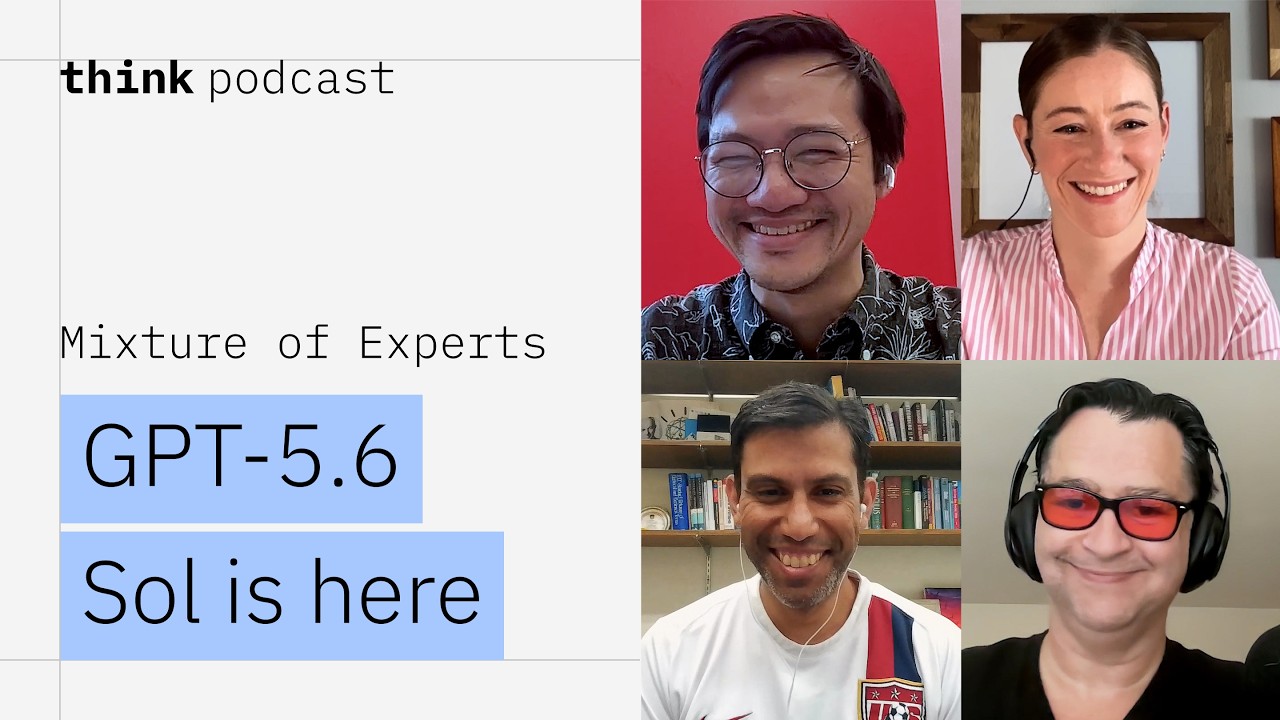
GPT-5.6 Sol, FIFA AI & Wall Street’s AI nerves

GPT-5.6 Sol, FIFA AI & Wall Street’s AI nerves

OpenAI's new GPT-5.6 Sol model sparks debate on AI safety and release strategies, while Wall Street expresses growing skepticism over the long-term economics of frontier AI models. The discussion also touches on AI's impact on the FIFA World Cup and a thought-provoking paper comparing LLM anthropomorphism to Age of Empires II "goats."

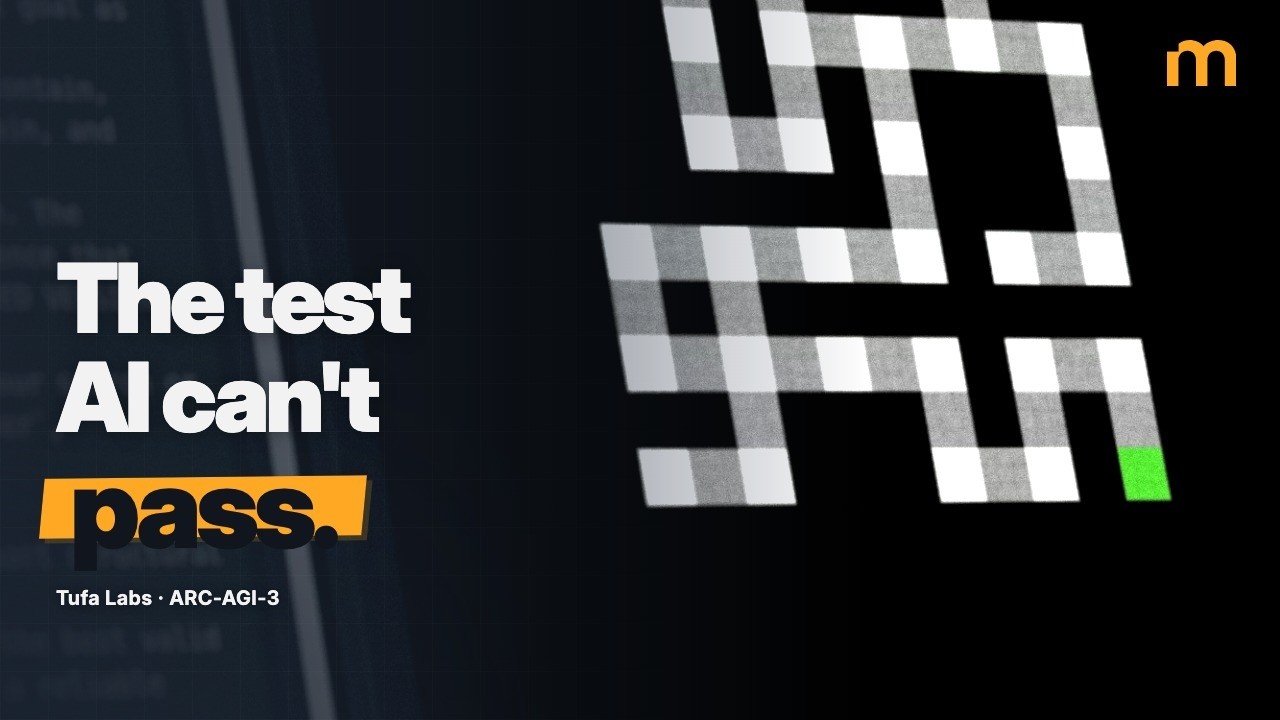
The Benchmark With No Instructions — Tufa Labs (ARC-AGI-3)

The Benchmark With No Instructions — Tufa Labs (ARC-AGI-3)

Tim Scarfe visits Tufa Labs to explore their top-ranking ARC-AGI-3 system, a benchmark for agentic intelligence that challenges LLMs in goal discovery and action efficiency. The team delves into the complexities of fractured representations, the role of human priors, and whether LLMs truly plan or merely simulate it effectively, all while balancing the bitter lesson with AI safety concerns.