Ai frameworks

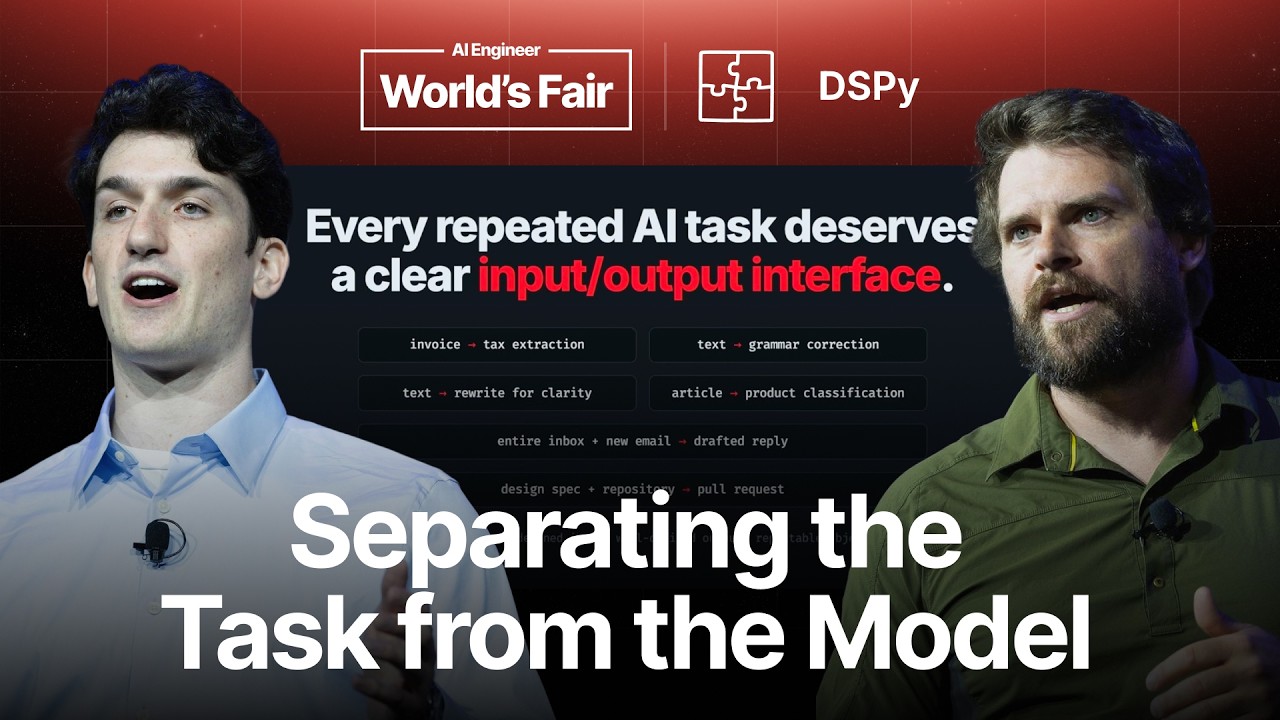
The Unreasonable Effectiveness of Separating the Task from the Model — Maxime Rivest, DSPy

The Unreasonable Effectiveness of Separating the Task from the Model — Maxime Rivest, DSPy

DSPy emphasizes separating task definition from model implementation using a "Signature" (inputs/outputs) to enable flexible, optimizable, and scalable AI programs. The framework relies on three pillars—instructions (specs), hard constraints (code), and examples (evals)—to fully specify tasks. DSPy 4.0 introduces DSPy Flex for learning program harnesses and Qualitative Learning for automated, feedback-driven evaluation refinement, offering significant benefits for enterprise applications and addressing "last-mile learning" for future AI systems.
Agentic AI Frameworks Explained: Workflows, Multi-Agent, & Production

Agentic AI Frameworks Explained: Workflows, Multi-Agent, & Production

This video tackles the overwhelming choice of agentic AI frameworks by categorizing projects into five types: linear workflows, autonomous multi-agent systems, role-based AI, production orchestration, and rapid prototyping. It details each type with examples and recommends specific frameworks like LangChain, AutoGen, and CrewAI, guiding developers to select the optimal tool based on their system design and real-world needs.

A Common-Sense Guide to AI Engineering • Jay Wengrow & Kris Jenkins • GOTO 2026

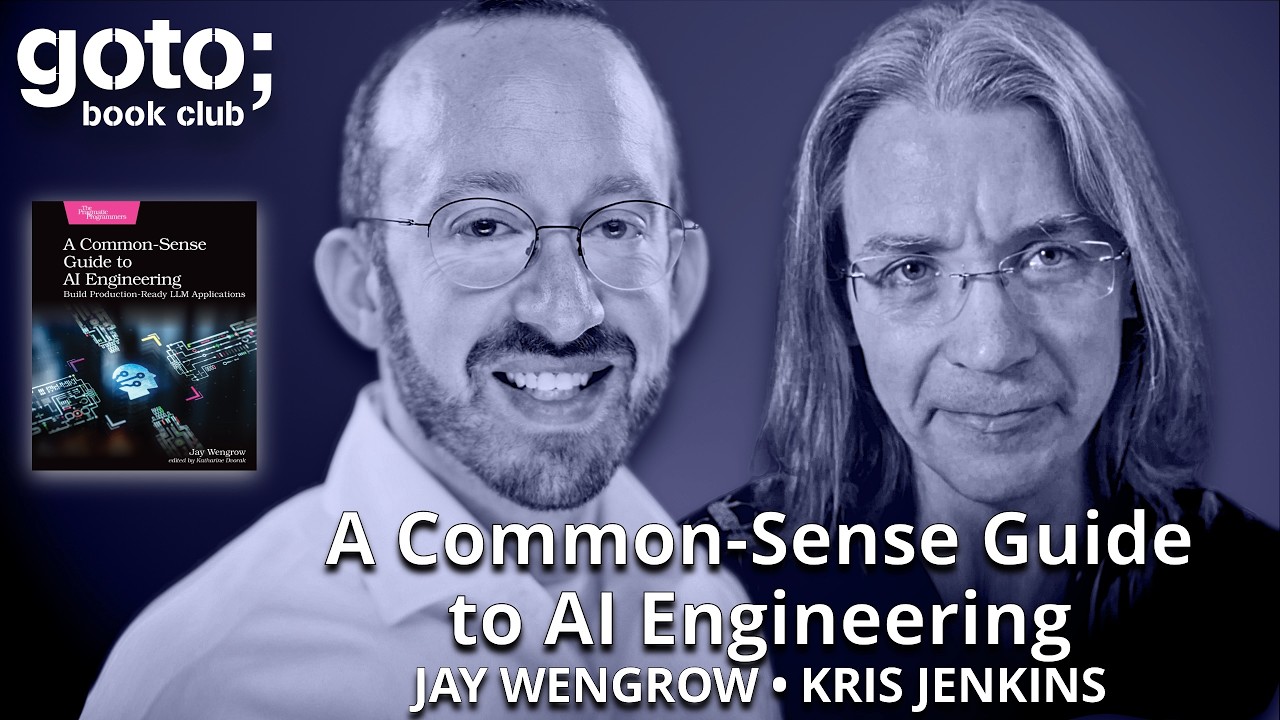
A Common-Sense Guide to AI Engineering • Jay Wengrow & Kris Jenkins • GOTO 2026

Jay Wengrow, author of “A Common-Sense Guide to AI Engineering,” breaks down how AI agents work, describing the 'clever hack' of intercepting LLM output to trigger functions. The discussion covers multi-agent architectures for complex tasks, implementing guardrails with regex and judge LLMs, and a pragmatic take on when to use frameworks versus building from scratch. Wengrow emphasizes understanding fundamentals over specific tools to create robust, production-ready AI applications.