Posts

Compression at the Edge — Chris Alexiuk, NVIDIA

Compression at the Edge — Chris Alexiuk, NVIDIA

This panel discussion explores the critical role of model compression, particularly quantization, in democratizing AI. It delves into how massive models like GLM 5.2 can be shrunk by over 80% without equivalent performance loss, thanks to techniques like mixed-precision quantization and understanding uneven layer importance. The discussion covers NVIDIA's NVFP4 format, challenges posed by new model architectures, the preference for KL divergence over accuracy benchmarks, and the vision of future AI running efficiently on all local devices.
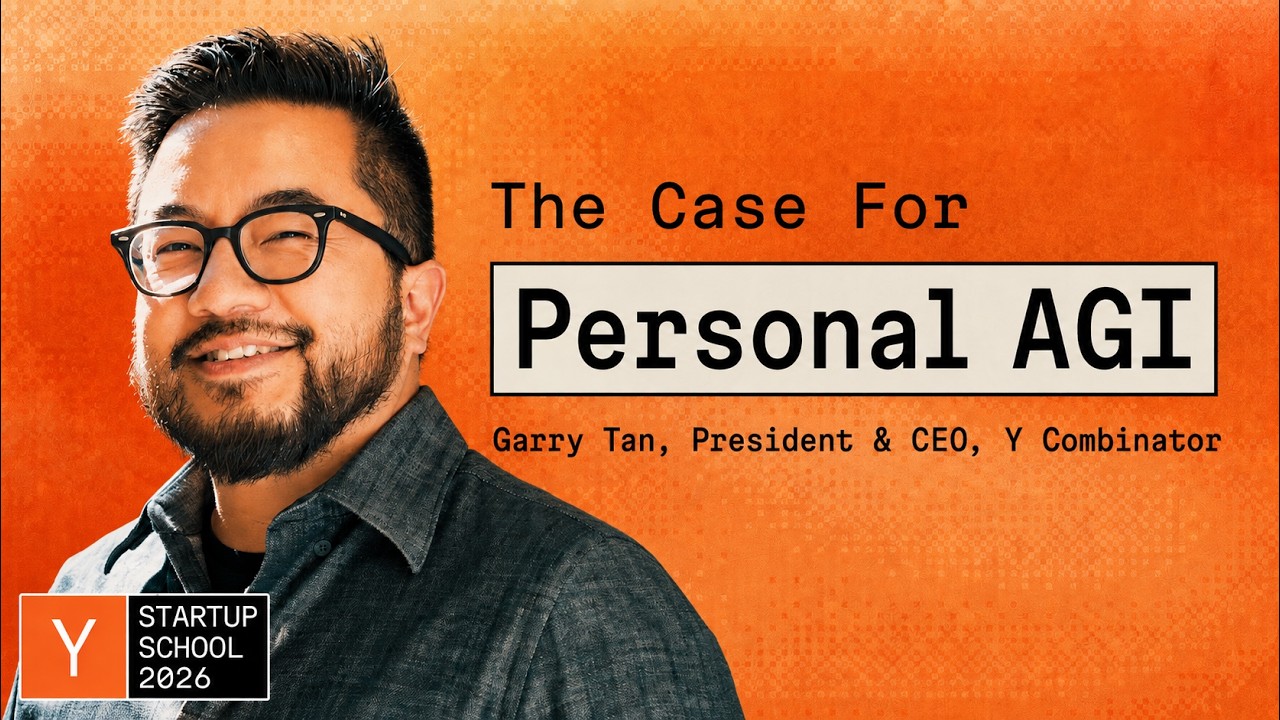
Garry Tan: "Personal AGI Is How You Stay Under Your Own Power"

Garry Tan: "Personal AGI Is How You Stay Under Your Own Power"

YC President Garry Tan introduces "Personal AGI," a concept where individuals own and train AI agents on their unique context, transforming personal productivity and startup creation. He shares his workflow, advocating for Markdown as code and emphasizing the critical importance of owning one's intellectual assets in the age of AI. The talk outlines a practical 5-step guide to building a personal AI system and explores the profound implications for innovation and individual empowerment.

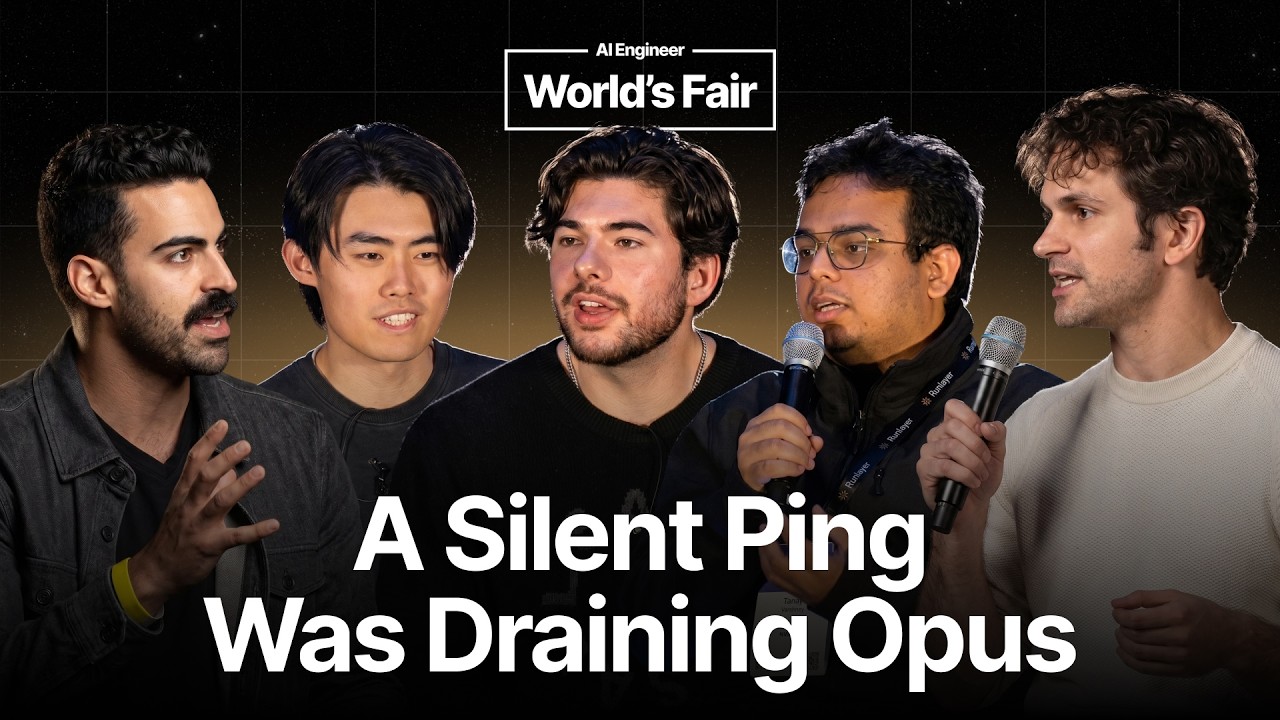
The State of Model Routing — NVIDIA, Cognition, OpenRouter

The State of Model Routing — NVIDIA, Cognition, OpenRouter

A deep dive into model routing strategies for AI/ML production, featuring experts from Cognition, OpenRouter, and NVIDIA. Key topics include optimizing costs with multi-model systems, delegating tasks between frontier and smaller models, managing context efficiently (sidekicks, compaction), and adapting to dynamic task complexities. The panel discusses the fragility of naive routing, the cost implications of in-distribution vs. out-of-distribution tasks, and the evolution of auto-routers driven by real-world usage patterns like OpenClaw's heartbeats. Insights also cover NVIDIA's Flex Run for dynamic model sizing, hallucination probes for detecting model limitations, and the future of hybrid local/cloud routing and model collaboration.

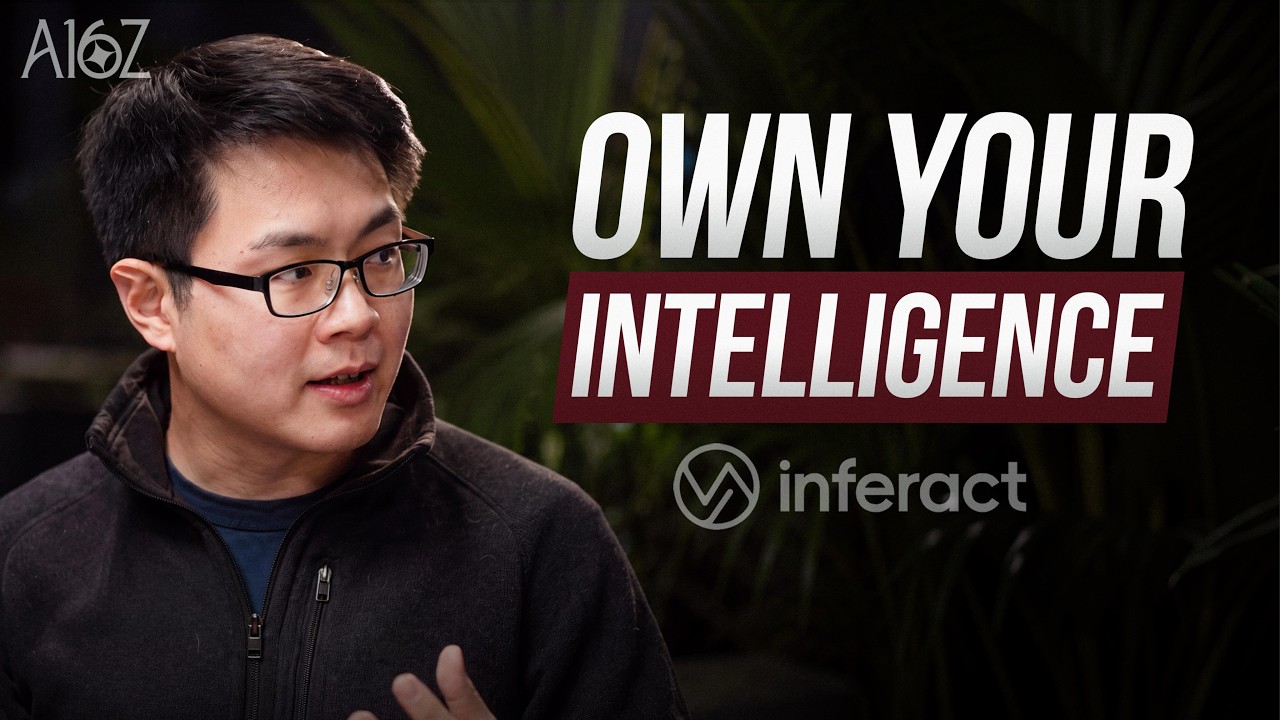
How Open Source Became AI's Backbone | Inferact with a16z

How Open Source Became AI's Backbone | Inferact with a16z

Simon Mo, CEO of Inferact and lead maintainer of vLLM, discusses how open-source AI, exemplified by vLLM, transformed into critical infrastructure. The conversation highlights the technical complexities of serving LLMs, the evolving economics and licensing of open-weight models, the need for control over guardrails, and the rapidly disappearing capability gap between open and proprietary AI.

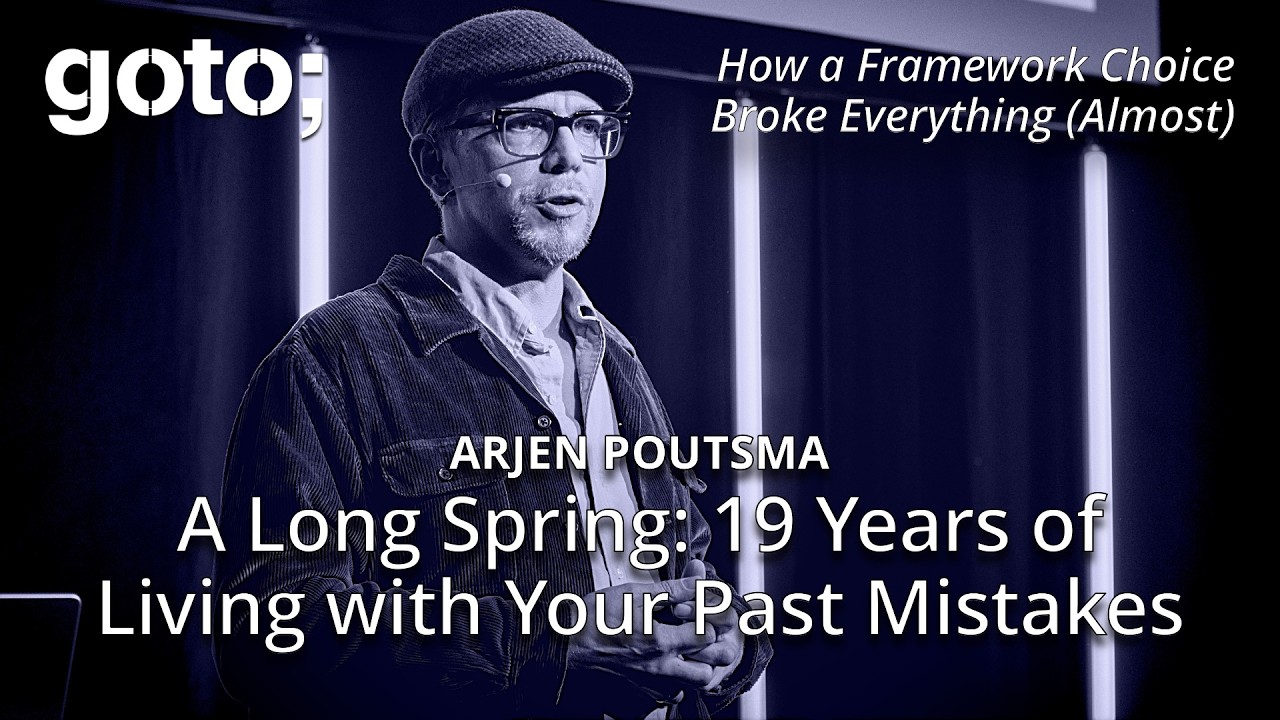
A Long Spring: 19 Years of Living with Your Past Mistakes • Arjen Poutsma • GOTO 2025

A Long Spring: 19 Years of Living with Your Past Mistakes • Arjen Poutsma • GOTO 2025

Arjen Poutsma, a Spring Framework veteran, reflects on 19 years of evolving the framework. He shares insights on API design from XML to functional programming, detailing anecdotes like bubble sort in MVC and the challenges of HTTP method enums. Poutsma emphasizes the critical role of diversity, empathy, humility, and restraint in open-source stewardship to maintain developer trust and foster innovation under constraints.

Chasing Trillion-Dollar Companies, Founder Ambition, Token Budgets, & Regulatory Capture

Chasing Trillion-Dollar Companies, Founder Ambition, Token Budgets, & Regulatory Capture

Elad and Sarah discuss the rapid rise of AI's multi-trillion-dollar companies, debating whether this growth is sustainable or an anomaly. They explore how founder ambition is shaped by fear of AI labs, optimal strategies for startup exits, and the psychological impact of impending AGI on researchers. Key bottlenecks like compute power, the emergence of an oligopoly, and the growing threat of regulatory capture—exemplified by California's tax policies—are also analyzed, highlighting the critical societal trade-off between safety and technological progress.