Posts

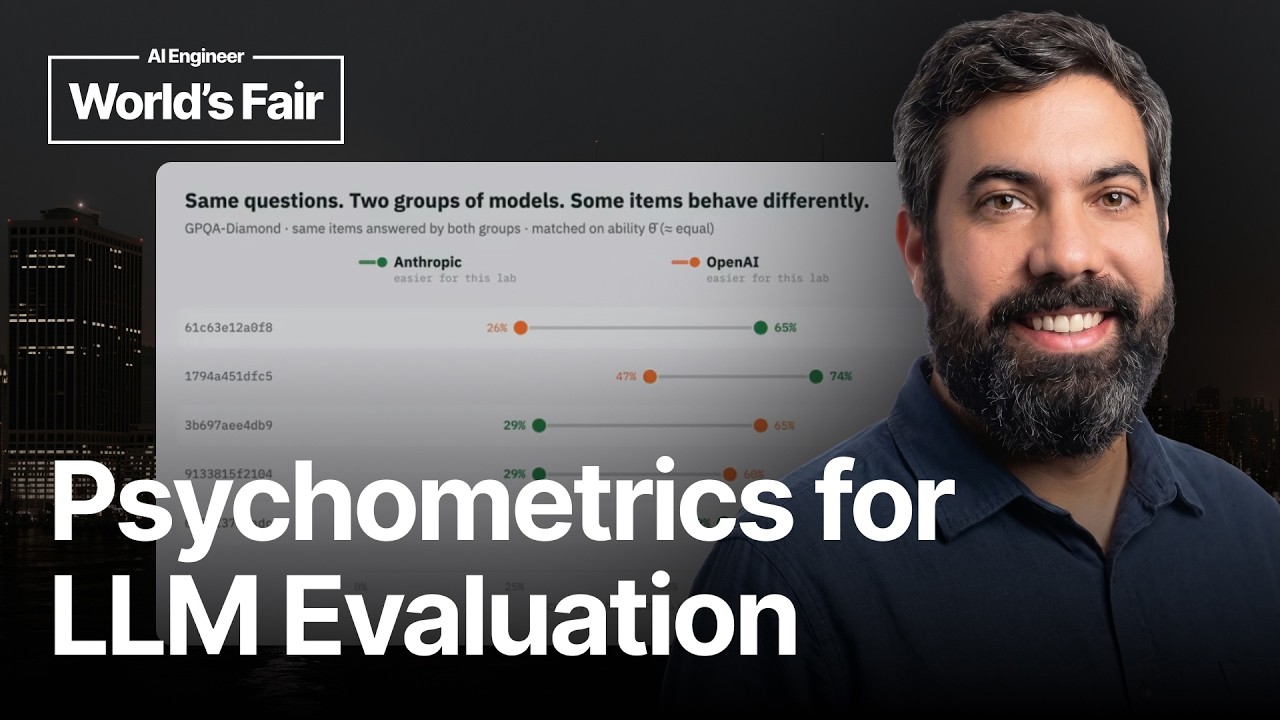
Stop Evaluating Models Like It's the 50s - Alejandro Vidal, Mindmakers

Stop Evaluating Models Like It's the 50s - Alejandro Vidal, Mindmakers

This talk introduces the application of psychometrics, particularly Item Response Theory (IRT), to improve LLM evaluation. It highlights how IRT goes beyond simple accuracy to measure model ability, item difficulty, and discrimination, enabling benchmark auditing, adaptive testing, data leakage detection, and the identification of model relationships and distillation, ultimately providing deeper insights into what LLMs truly learn.
Claws Out: Securing and Building with OpenClaw - Nick Taylor, Pomerium

Claws Out: Securing and Building with OpenClaw - Nick Taylor, Pomerium

This talk details how the speaker contributed a "trusted-proxy auth mode" to the OpenClaw project to enhance security and user experience by eliminating the need for tokens and device pairing. It explains the technical implementation of this mode using Identity-Aware Proxies like Pomerium. The speaker also demonstrates a unique workflow, building and live-editing a Multi-Modal Chatbot Protocol (MCP) application directly within ChatGPT, controlled by their OpenClaw instance via Discord, showcasing the power of secure, natural language-driven web development.

Stop AI Agent Hallucinations: 5 Techniques + Production Patterns - Elizabeth Fuentes, AWS

Stop AI Agent Hallucinations: 5 Techniques + Production Patterns - Elizabeth Fuentes, AWS

Explore five research-backed techniques to overcome common AI agent architectural limitations like hallucination, inefficient tool use, and rule violations. Learn how to implement semantic tool selection, Graph-RAG, multi-agent validation, neurosymbolic guardrails, and agent steering through code changes, not prompt engineering, and deploy them using AWS Bedrock Agent Core for robust and cost-effective AI agents.

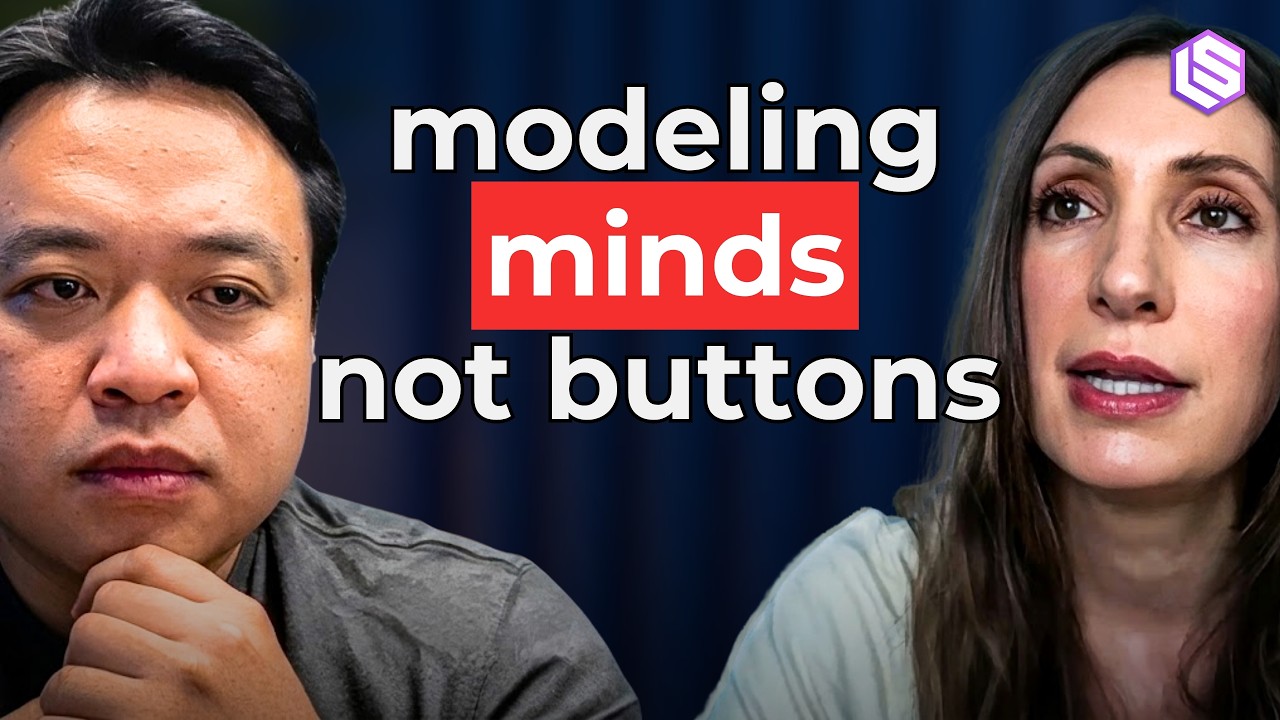
Why AI Agents Don't Actually Understand You — Danielle Perszyk, Amazon AGI Lab

Why AI Agents Don't Actually Understand You — Danielle Perszyk, Amazon AGI Lab

Daniel from Amazon AGI Lab details a cognitive science-driven vision for human-aligned AI, focusing on collective intelligence, real-time interaction, and redefining reliability through user mind modeling. He emphasizes aligning AI representations with human cognition to foster generalization, prevent reduced human agency, and revolutionize areas like education, advocating for diverse AI systems and frontier research over immediate productization.

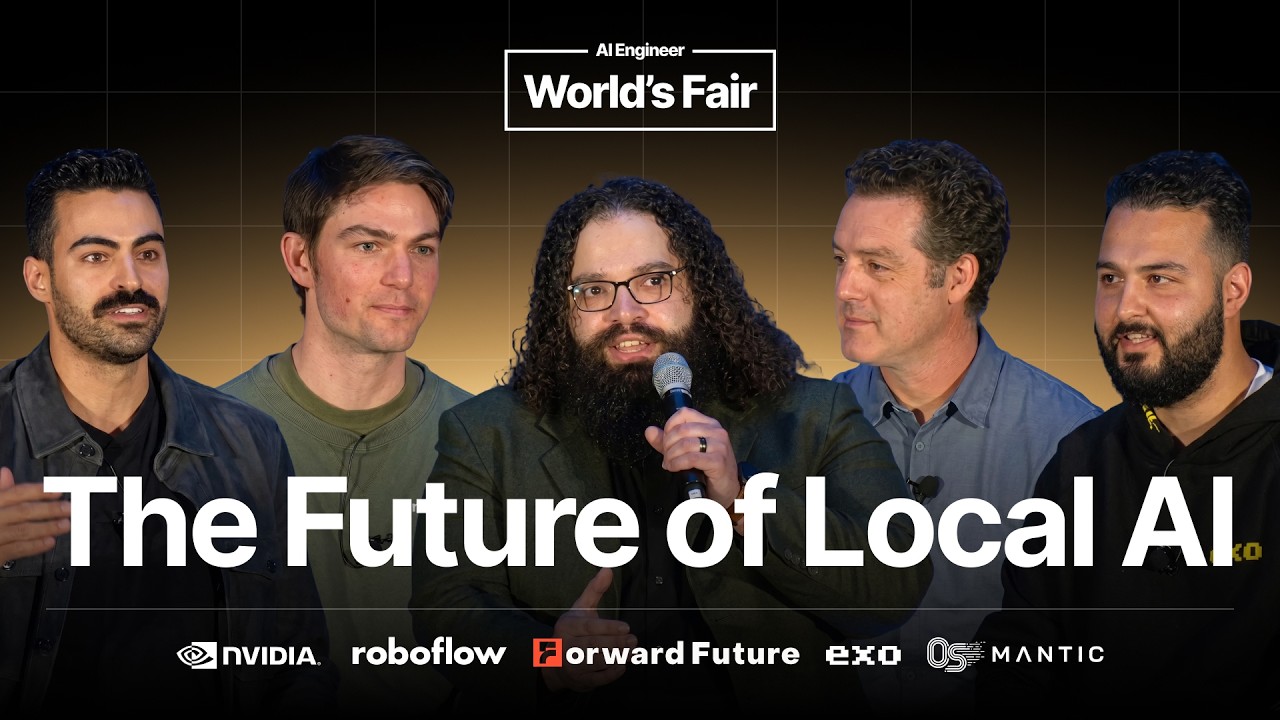
State of the Union: Why Local, Why Now — NVIDIA, Osmantic, Roboflow, EXO Labs, @matthew_berman

State of the Union: Why Local, Why Now — NVIDIA, Osmantic, Roboflow, EXO Labs, @matthew_berman

This panel discussion explores the inflection point of Local AI, driven by advanced models, improved hardware, and a robust ecosystem. Experts discuss how this shift addresses critical concerns around privacy, cost, sovereignty, and resilience, emphasizing the pivotal role of open-source AI and specialized models. They delve into technical optimizations, the evolution from generalized to specialized AI, and the challenges of making local AI accessible and performant for both enterprise and individual users.

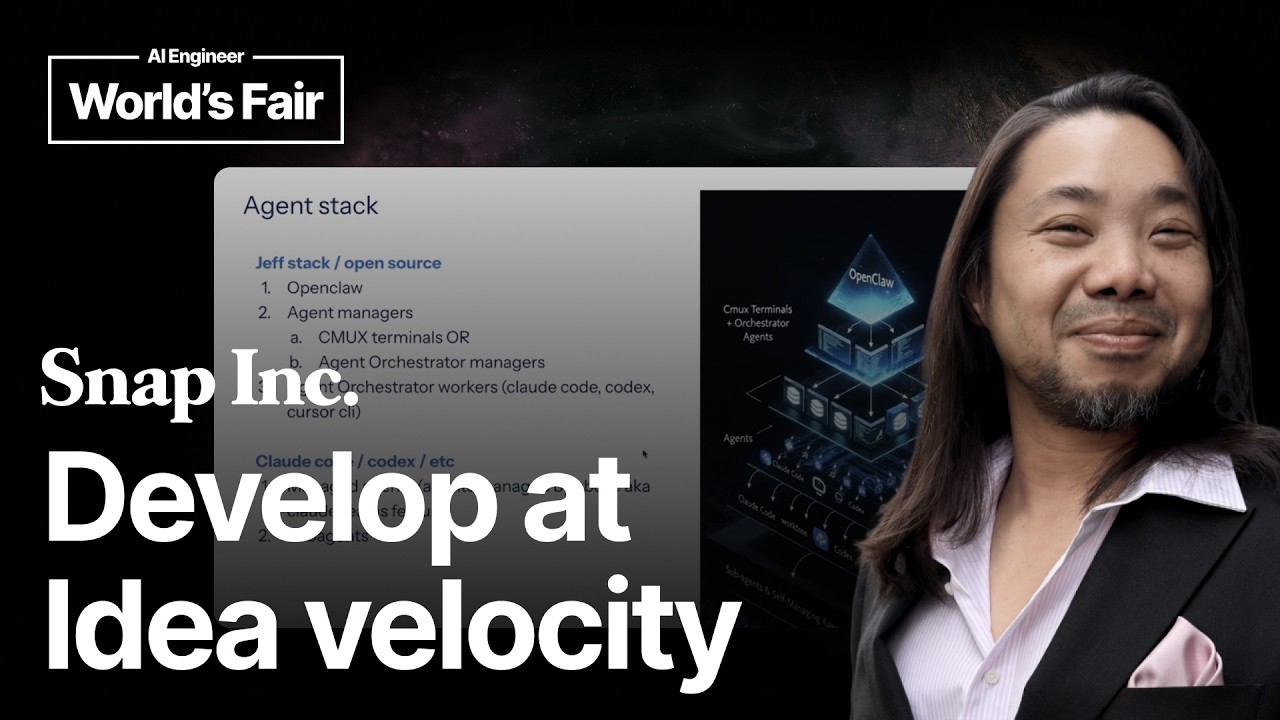
Develop at Idea Velocity - Jeffrey Lee-Chan, Snapchat

Develop at Idea Velocity - Jeffrey Lee-Chan, Snapchat

Jeffrey Lee-Chan argues that the critical component for production AI agent systems is not the model but the "harness"—an orchestration layer providing persistent memory and contextual guardrails. He introduces Open Claw, a conceptual framework that separates agent orchestrator managers (handling task specs and history) from specialized workers (executing implementation details). This architecture enables deterministic teamwork, parallelization, and unbiased outcomes, supported by examples like AI RPGs and multi-AI analysis, alongside tools like tmux for enhanced developer productivity and careful token management strategies.