Posts

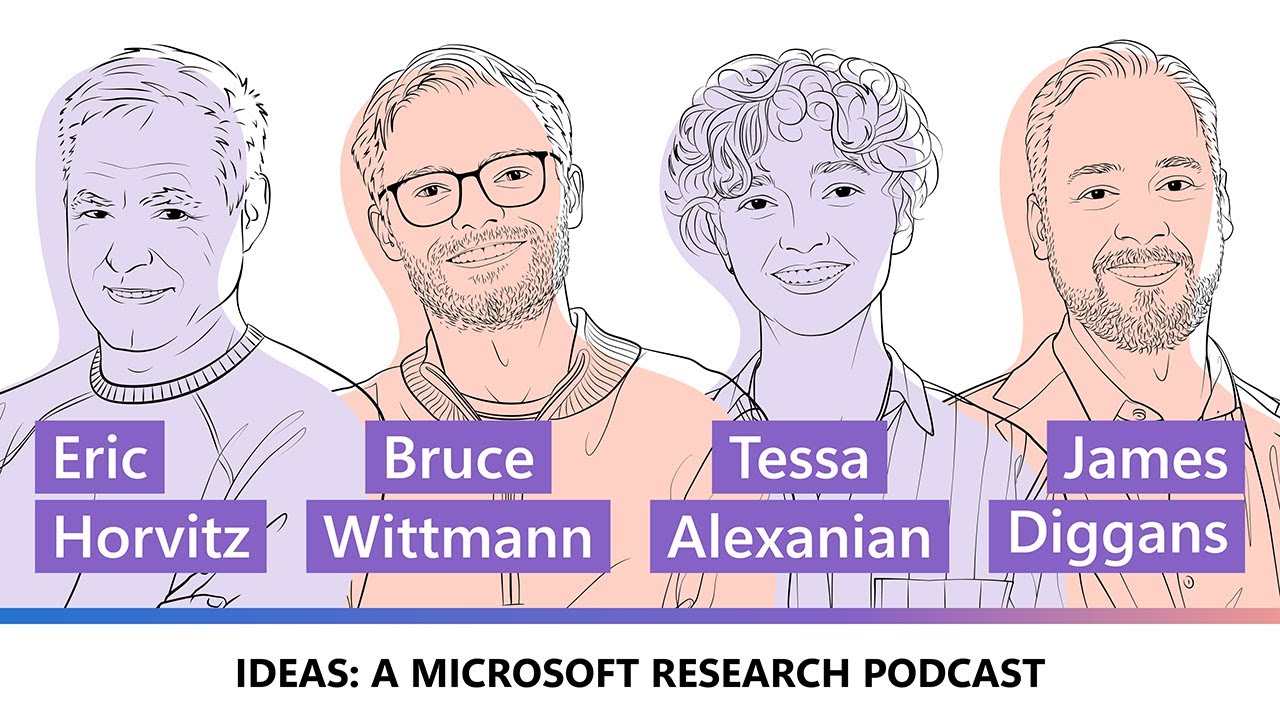
Ideas: More AI-resilient biosecurity with the Paraphrase Project

Ideas: More AI-resilient biosecurity with the Paraphrase Project

Microsoft’s Eric Horvitz and guests discuss the Paraphrase Project, a two-year red-teaming effort that uncovered and patched a significant biosecurity vulnerability, demonstrating a model for responsibly managing the dual-use risks of generative AI in protein design.
The Lawyerly Society vs. The Engineering State: Who Owns the Future?

The Lawyerly Society vs. The Engineering State: Who Owns the Future?

A summary of the discussion with Dan Wang, author of "Breakneck", comparing the US and China through the lens of engineering versus legal mindsets. The conversation explores differences in infrastructure, industrial policy, manufacturing scale, and foreign policy, arguing for a nuanced view of a long-term competition rather than a short-term race.

Finding hidden growth opportunities in your product | Albert Cheng (Duolingo, Grammarly, Chess.com)

Finding hidden growth opportunities in your product | Albert Cheng (Duolingo, Grammarly, Chess.com)

Albert Cheng, who has led growth at Duolingo, Grammarly, and Chess.com, shares his framework for finding and scaling growth opportunities. He discusses the explore-exploit model, the keys to consumer subscription success like retention and resurrected users, and how AI is accelerating the experimentation cycle.

Some thoughts on the Sutton interview

Some thoughts on the Sutton interview

A reflection on Richard Sutton's "Bitter Lesson," arguing that while his critique of LLMs' inefficiency and lack of continual learning is valid, imitation learning is a complementary and necessary precursor to true reinforcement learning, much like fossil fuels were to renewable energy.

Ex-DeepMind: How To Actually Protect Your Data From AI

Ex-DeepMind: How To Actually Protect Your Data From AI

Dr. Ilia Shumailov, former DeepMind AI Security Researcher, explains why traditional security fails for AI agents. He details the unique threat model of agents, the dangers of supply chain attacks and architectural backdoors, and proposes a system-level solution called CAML to enforce security policies by design, separating model reasoning from data execution.

Human Neurons are 1M x Energy Efficient than Digital AI Processors | Dr. Ewelina Kurtys | FinalSpark

Human Neurons are 1M x Energy Efficient than Digital AI Processors | Dr. Ewelina Kurtys | FinalSpark

Dr. Ewelina Kurtys of FinalSpark explains their pioneering work in building biocomputers from living human neurons, which are up to one million times more energy-efficient than traditional silicon chips. The conversation covers the technology of reprogramming skin cells into neurons, the company's growth strategy, and the profound ethical and philosophical questions, such as potential 'Matrix' scenarios, that arise from merging biology with AI.