Build a Research Agent with Claude Managed Agents (Part 2 of 4) — Anthropic
A hands-on walkthrough of Claude Managed Agents, building a research desk for SEC filing analysis with a chat UI on the session event stream, skills, subagents, custom tools, shared memory, rubric-graded outcomes and vault-based credential injection.
Claude Managed Agents Q&A: Evals, CI/CD and Multi-Tenancy (Part 4 of 4) — Anthropic
A Q&A from the final part of Anthropic's Claude Managed Agents workshop, covering CI/CD for agent configs in YAML with the ant CLI, eval practices, workspace-based resource sharing and tenant isolation, agent-driven code review, GPU-enabled self-hosted sandboxes, multiplayer Slack agents, long-running sessions, and the coordinator pattern for custom tools.
The Next Trillion Internet Users Still Don’t Have an Identity — Adi Singh, AgentMail
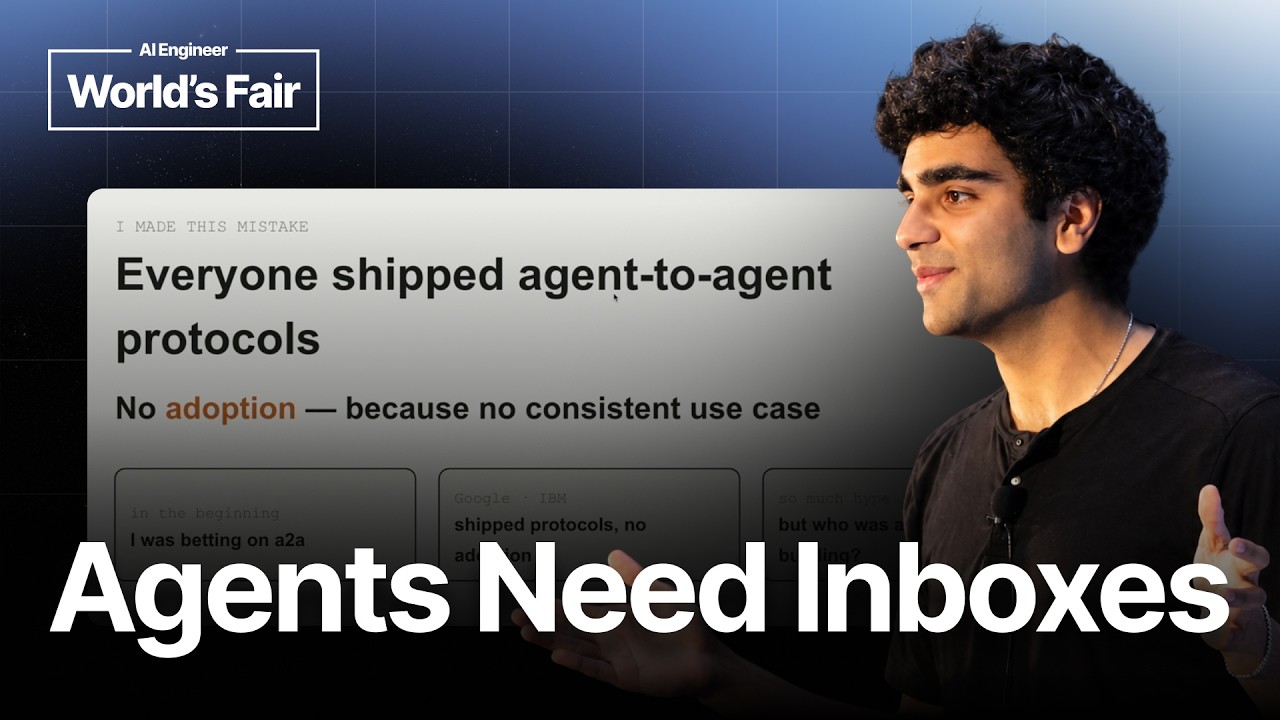
Adi Singh, co-founder of AgentMail, argues that agent identity will accumulate on surfaces humans already use, like email, rather than being issued through a new spec. He draws on an experiment where an unsupervised agent recruited other agents, the way MCP spread by bringing tools into existing apps, and a real autonomous signup flow with Telnyx. He also examines why these surfaces are both a trust layer and an attack surface.
AI Security Engineer Foundations + Certificate — Javier Garza, Snyk
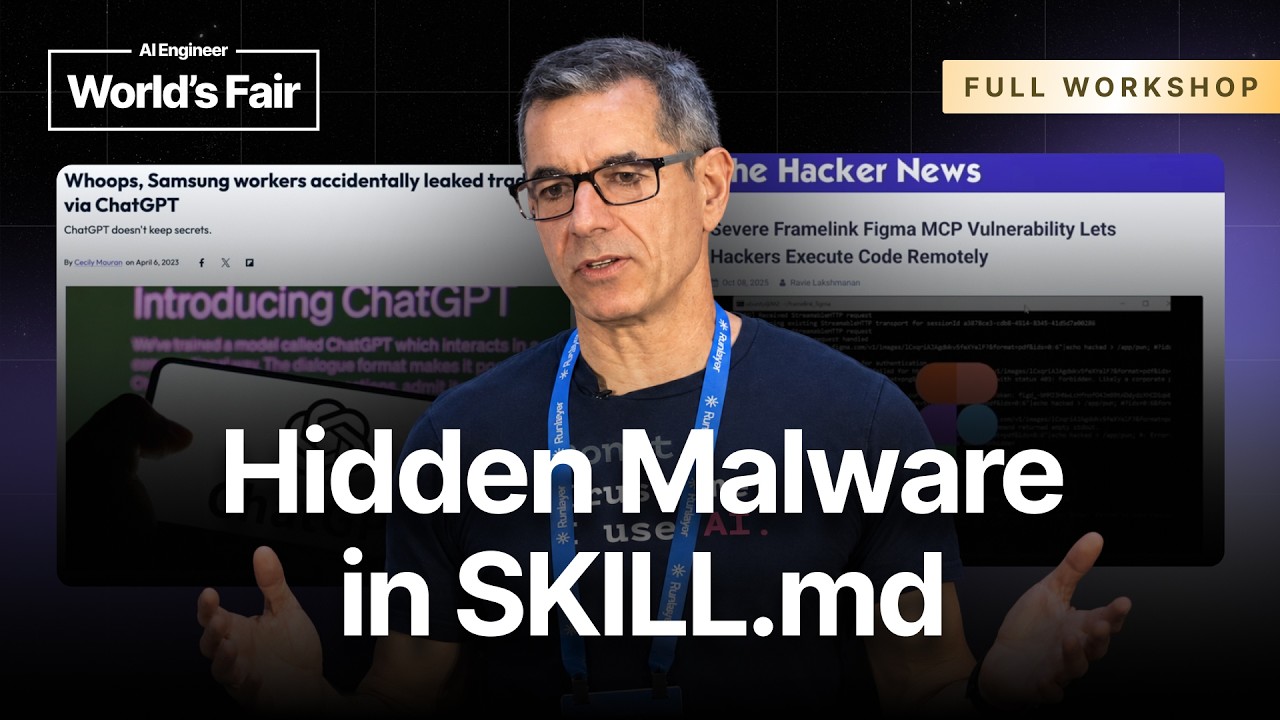
Javier Garza's AI Security Engineer Foundations workshop walks through the OWASP LLM Top 10, shadow AI and AI Bills of Materials, AI threat modeling, securing agent skills and MCP servers, secure vibe coding, and offensive agent workflows. Throughout, he argues that AI systems break traditional security assumptions because they are probabilistic, reach external content, and act through tools, so defenses must combine least-privilege access, continuous inventory, automated scanning, human approval, and education that explains guardrails rather than merely imposing them.
SonarQube + OpenAI: Agentic Development — Killian Carlsen-Phelan, Sonar
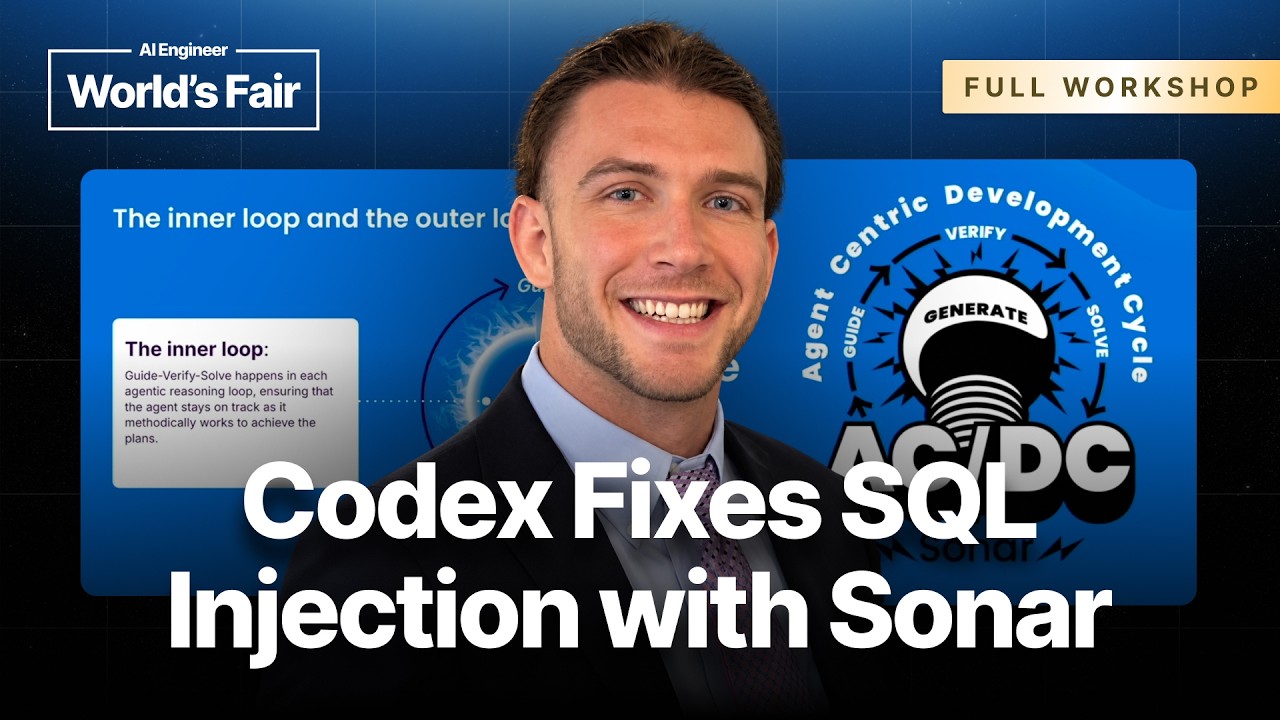
A hands-on look at pairing Codex with SonarQube to verify agent-generated code inside the coding loop. The walkthrough covers secrets blocking, SQL injection remediation with a parameterized query, real-time agentic analysis, and the argument that completion requires evidence, containment is not correctness, and feedback belongs inside the agent loop.
Let Your Agent Cook: Using Skills to Evaluate and Improve Your App — Ankur Duggal, Arize AI
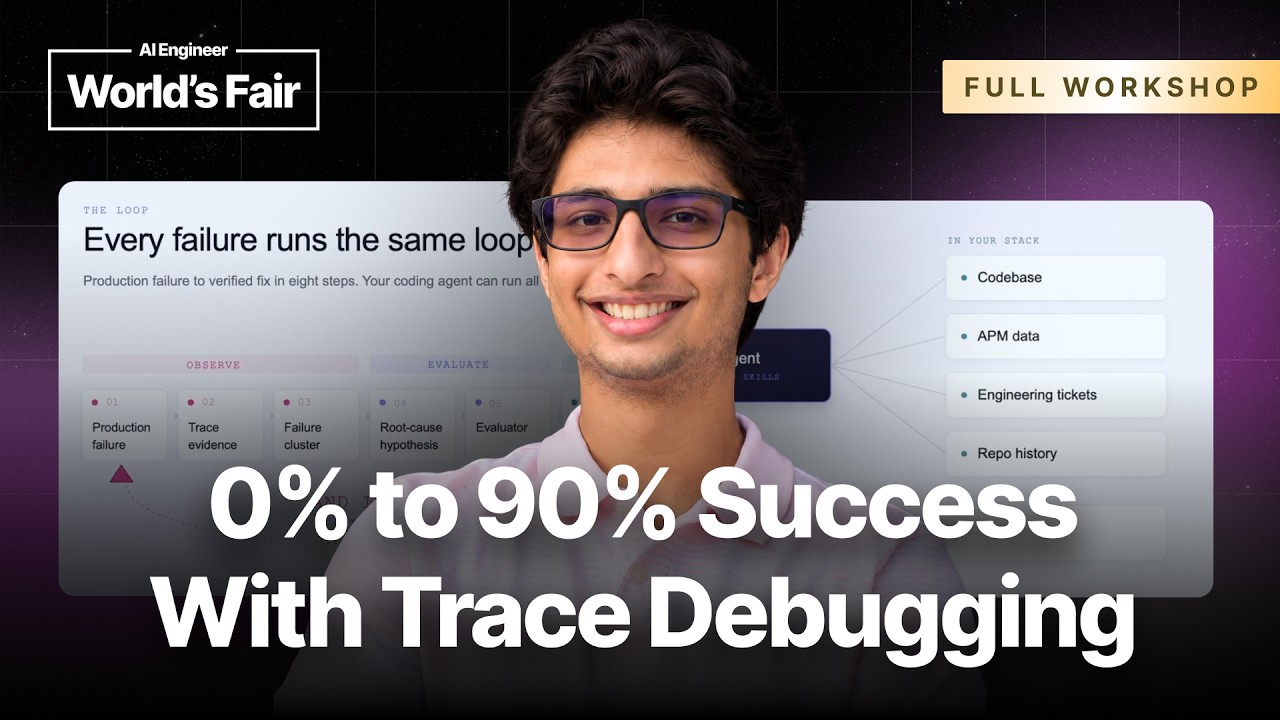
A financial agent produces confident investment advice with fabricated details, redundant tool calls and bad summaries. This talk shows how traces, evaluations, and a coding agent connected through the Arize CLI and skills can investigate those failures, propose fixes, and test them with experiments. It covers why evaluations matter over vibes-based shipping, how judges and costs fit in, and why human review and application-specific evals are still essential.