Posts

Multi-Agent Systems for the Misinformation Lifecycle

Multi-Agent Systems for the Misinformation Lifecycle

A detailed overview of a modular, five-agent system designed to combat the entire lifecycle of digital misinformation. Based on an ICWSM research paper, this practitioner's guide details the roles of the Classifier, Indexer, Extractor, Corrector, and Verifier agents. The system emphasizes scalability, explainability, and high precision, moving beyond the limitations of single-LLM solutions. The talk covers the complete blueprint, from agent coordination and MLOps to holistic evaluation and optimization strategies for production environments.
Real-Time Voice Agents in Production

Real-Time Voice Agents in Production

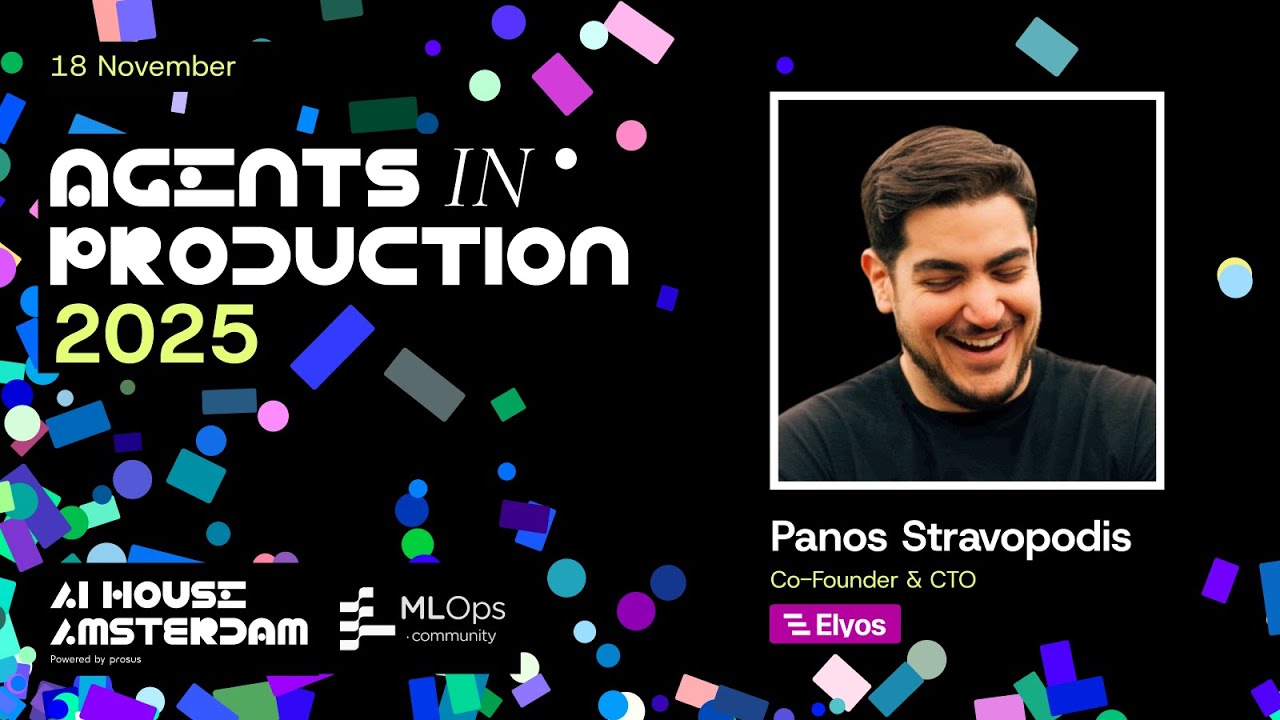
Panos Stravopodis, CTO of Elyos AI, shares the infrastructure and orchestration challenges of building production-ready voice AI agents. He details the four pillars for success—latency, consistency, context, and recovery—and provides engineering patterns for error handling, context management, and achieving conversational coherence in real-time systems.

What OpenAI & Google engineers learned deploying 50+ AI products in production

What OpenAI & Google engineers learned deploying 50+ AI products in production

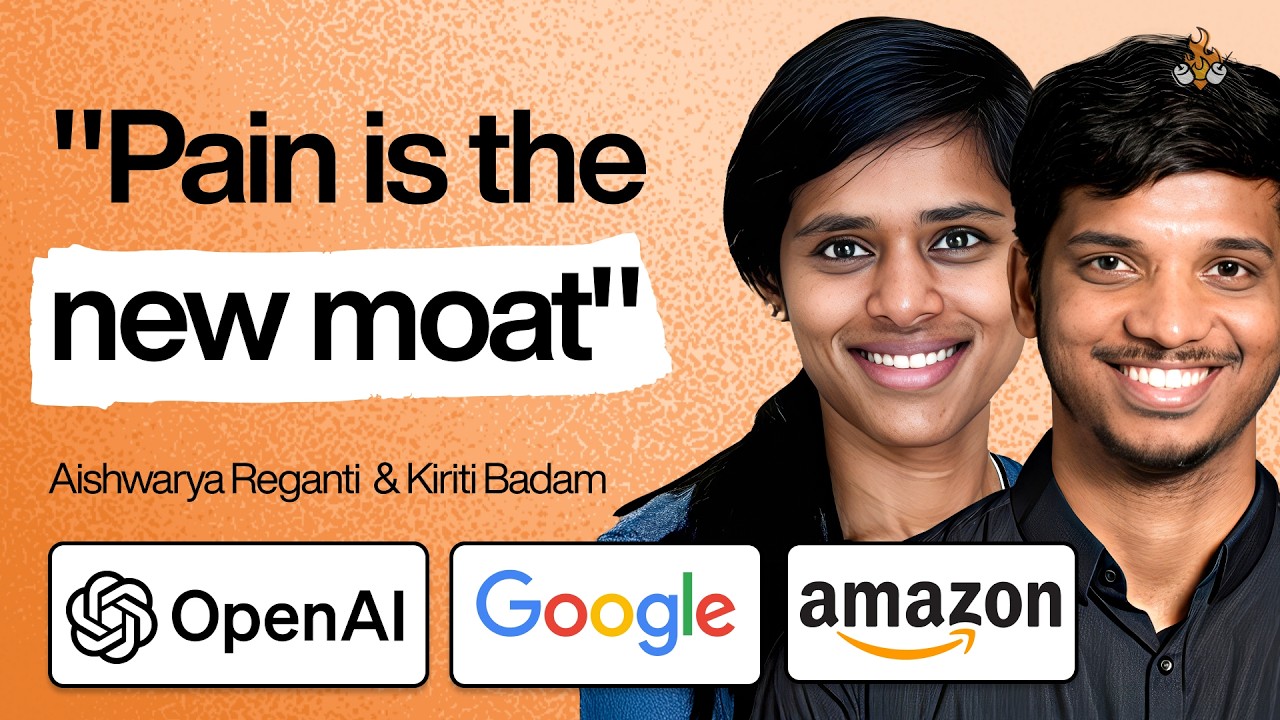
Aishwarya Naresh Reganti and Kiriti Badam, with experience from OpenAI, Google, and Amazon, share a framework for building successful enterprise AI products. They detail why AI development differs from traditional software, emphasizing the challenges of non-determinism and the agency-control trade-off, and introduce their 'Continuous Calibration, Continuous Development' (CC/CD) lifecycle to build reliable, value-driven AI systems.

Humanoid Robots: Hype vs. Reality

Humanoid Robots: Hype vs. Reality

A deep dive into the key takeaways from CES 2026, covering the surge in humanoid robotics and the evolution of software-defined vehicles, followed by a nuanced analysis of the shifting US-China export controls on advanced AI chips.

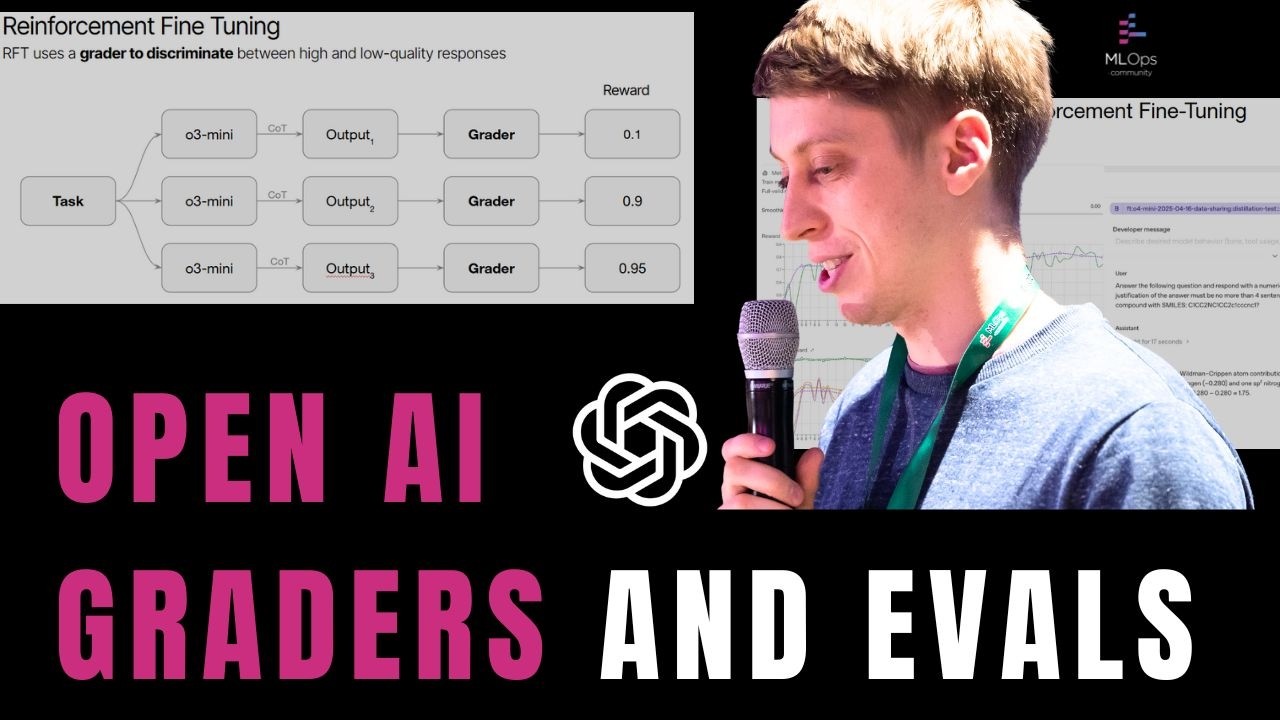
Collaborative AI Agents At OpenAI

Collaborative AI Agents At OpenAI

Robert from OpenAI discusses the critical role of structured evaluations (evals) and graders for developing advanced collaborative agents. He explores the limitations of 'vibe-based' assessments, introduces a maturity model for evals, and presents a comprehensive rubric for measuring agent performance beyond simple accuracy, connecting these concepts to the power of Reinforcement Fine-Tuning (RFT).

The Limits of Today’s AI Models

The Limits of Today’s AI Models

Karan Goel, CEO of Cartesia, discusses the fundamental limitations of Transformer architectures, arguing they behave more like retrieval systems than learning systems. He explains how State Space Models (SSMs) enable compression and abstraction, and why Cartesia is tackling multimodal intelligence by first solving for voice AI, aiming to develop a transferable 'recipe' for end-to-end representation learning.