Palo Alto Networks CEO Nikesh Arora on the Virtues of Being an Outsider
Nikesh Arora, CEO of Palo Alto Networks, shares his unconventional journey and leadership philosophy. He provides a masterclass in building a multi-platform company through strategic M&A, explains why founders should sometimes ignore customers, and reveals how to lead with conviction while managing imposter syndrome.
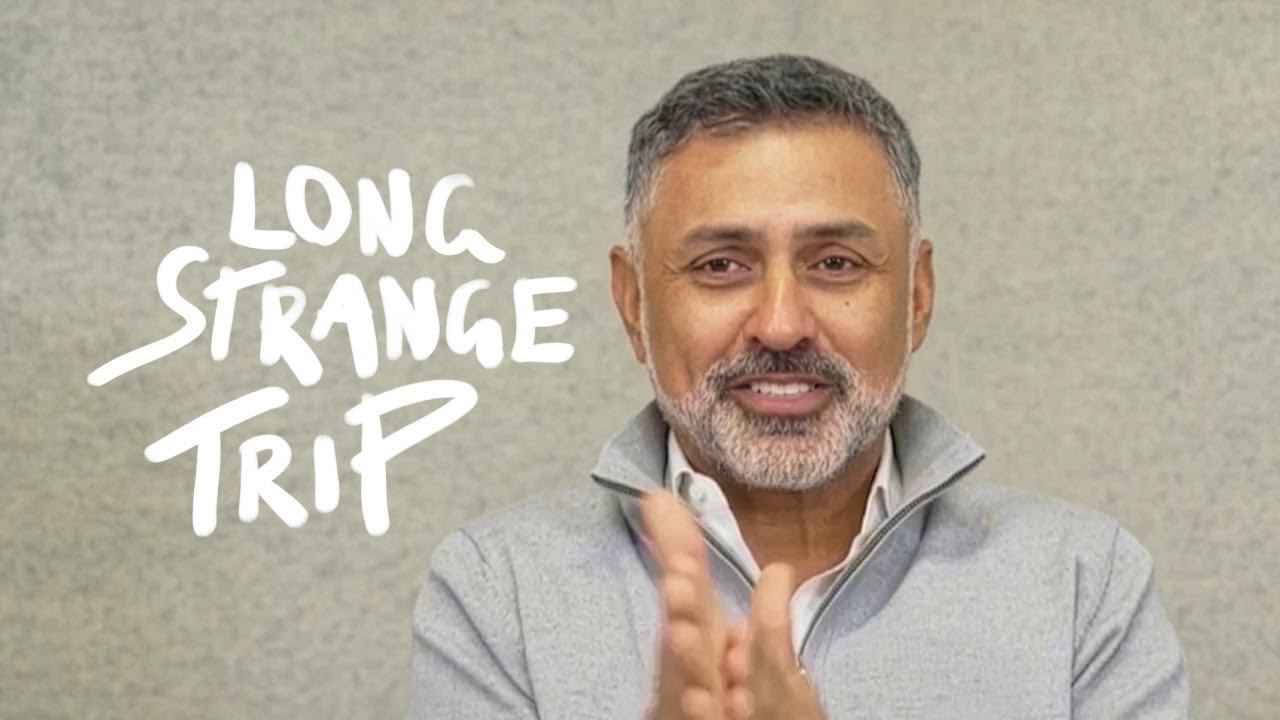
Nikesh Arora, CEO of Palo Alto Networks, provides a deep dive into his leadership philosophy, product strategy, and the unconventional methods he used to transform the company into a multi-platform powerhouse. Despite having no background in cybersecurity, his approach offers a masterclass for founders, operators, and aspiring CEOs on scaling a company, executing successful M&A, and personal growth.
From Point Solution to Multi-Platform Leader
Palo Alto Networks’ journey to a platform company began with a critical insight. When Arora joined, the company was a successful firewall vendor, but innovation had slowed. The engineering team was working on 60 new, free features for the next software release—so many that even they couldn’t remember them all.
Arora challenged this “more features” approach. He noticed seven of the proposed features were related to DNS security. Instead of building a partial solution, he redirected the team to create a robust, standalone DNS security product that could replace a competitor. This became the company’s “second act” and the foundation of its platform strategy.
The core idea was to consolidate “sliver feature industries” onto their core platform. By identifying adjacent markets, they expanded from four to eleven subscriptions sold on top of their hardware, turning single products into a cohesive ecosystem. The final step was to stitch these products into three integrated platforms: Network Security, Cloud, and Cortex. This platformization created a sticky solution that customers are unlikely to rip out and replace with six different point products.
Advice for Founders: “You have to start with an MVP with something that’s innovative that’s going to make you win. And then customers you get their trust and say by the way I also do this and what I do here is also as good as everybody else if not better.”
An Unconventional M&A Playbook
Arora has executed over 25 acquisitions, refining a unique playbook designed to integrate talent and accelerate innovation. He believes most M&A fails because of a flawed integration philosophy. His approach is built on a few fundamental principles:
- Founders Take the Lead: Acquired founders are put in charge of Palo Alto Networks’ existing teams in that domain, not the other way around. The logic is simple: “These guys kicked our ass in the market with less resources, move faster than us. So they must know things better than us.” This empowers the founders and leverages their expertise.
- Agree on a Joint Roadmap During Diligence: Before the deal is signed, both teams collaborate to design a joint product roadmap. This ensures alignment from day one and avoids a scenario where the acquired founder wants to continue building their original vision instead of the integrated one.
- Retain Talent with “Unvesting” and Topping Off: To retain key talent for the long haul, Arora uses a creative compensation structure. Founders are required to “unvest” half of their stock, which then re-vests over three years. However, Palo Alto Networks “tops it off” by adding 25-40% more equity to their package. This is a crucial moment to grant significant equity and lock in the team.
On Product Strategy and Customer Feedback
Arora offers a nuanced take on listening to customers. While valuable, he warns that customers typically ask for incremental improvements or features that create backward compatibility with old workflows. They will rarely envision the next transformative product.
He cautions early-stage founders against talking to customers too soon, especially in cybersecurity. They often end up talking to large enterprise CISOs who want “speeds and feeds,” not a polished, user-friendly product. This can lead them down the path of building a feature, not a scalable product.
“The best founders should actually spend some time build the product based on their own vision, show an end-to-end point of view and solve a real problem.”
For long-term planning, Arora relies on M&A to see “around the corner,” viewing the venture capital community as a network of outsourced R&D labs.
Leadership, Conviction, and Personal Growth
Arora’s journey is a case study in leading with conviction, even amid uncertainty and imposter syndrome. He joined Palo Alto Networks knowing nothing about the industry, a fact he was open about with his key reports. His strategy was to be a “duck”: serene on the surface while paddling furiously underneath. He spent his first six months in intense learning mode, meeting with over 300 cybersecurity startups.
He advises new leaders to swing big. One of his first moves was to lower the company’s operating margin to invest more heavily in growth—a counterintuitive decision that initially worried his team but ultimately paid off.
His core philosophy on leadership and life includes:
- Embrace High Standard Deviation: The most impactful leaders he’s worked with (Larry Page, Eric Schmidt, Masayoshi Son) were all obsessive and focused on one area to the exclusion of others.
- Maintain Work-Life Balance: Arora prioritizes his health, family, and friendships. He works around 60 hours a week, avoids work dinners, and protects his weekends. He argues against the “996” (9 am to 9 pm, 6 days a week) startup culture, believing that “working smarter might be better in balance than working hard.”
- Trust Your Backing: A key to his calm demeanor is knowing his board has his back. He advises all managers to ensure their people know they are supported, as this gives them the confidence to take risks.