Learning Python Programming • Fabrizio Romano & Naomi Ceder
Fabrizio Romano, author of "Learning Python Programming," discusses the evolution of his book with Naomi Ceder. Key topics include the strategic shift from GUIs to CLIs, the evolving perspective on Python's type hinting, and the dual role of AI as a powerful tool and a potential threat to junior developer growth. Fabrizio emphasizes the importance of fundamental skills, mentorship, and the human element in the age of AI.
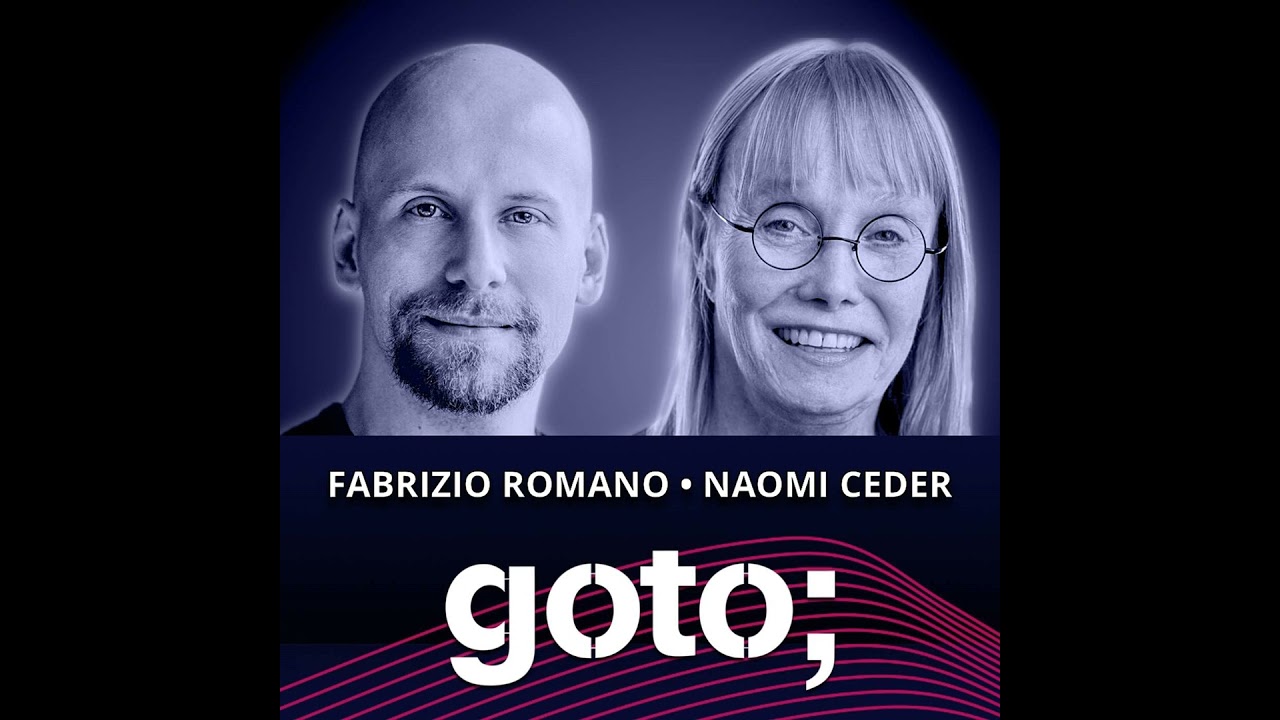
In this interview, Naomi Ceder speaks with Fabrizio Romano, author of “Learning Python Programming,” about the evolution of his book through its fourth edition and his broader perspectives on software development after nearly two decades of using Python.
The Author’s Journey
Fabrizio reflects on his 10-year journey as a book author, a process he undertook based on Naomi’s advice to “do it for the experience.” He describes writing as a challenging yet rewarding endeavor, requiring significant discipline (the first edition took nine months of 40-hour weeks on top of his regular job). The most gratifying part has been the positive feedback from readers who have started their Python careers with his book.
Evolving Content: From GUIs to CLIs
With each edition, the book has shifted its focus from practical projects towards more foundational theory. A key change in the latest edition was the removal of the chapter on Graphical User Interfaces (GUIs). Fabrizio explains this decision by noting that most user interactions today occur within web browsers. To keep the book relevant, the precious real estate was reallocated to topics more central to modern developers’ daily work.
In its place, a chapter on Command-Line Applications (CLIs) was added. Fabrizio draws a clear distinction between scripts and CLIs:
- Scripts: Often one-off or simple, hardcoded solutions for a specific task, like a database migration. They serve a purpose but are not designed as a robust, user-facing tool.
- CLIs: A “grown-up version of a script.” They are a professional interface to a more complex application, featuring proper argument parsing (using frameworks like
argparseorTyper), help flags, and encapsulate significant functionality. Examples include tools likegitoruv.
The Controversial Rise of Typing
Fabrizio candidly discusses his initial resistance to Python’s type hints. Like many long-time Python developers, he felt it cluttered the language’s clean syntax. However, his perspective evolved as he recognized its power and integration with the ecosystem.
Key benefits that changed his mind include:
- Enhanced IDE support, providing autocompletion and better static analysis.
- Improved code clarity, making it easier to understand function signatures without digging into tests.
- Enabling modern frameworks like
FastAPIandTyper, which are built on type inference.
He concludes that while the syntax can be complex, the trade-off is worthwhile. He advocates for a “responsible adults” approach, using typing judiciously where it adds clarity, especially in libraries, but avoiding over-complication.
AI in Coding: A Tool, Not a Replacement
Fabrizio views AI as a tool, analogous to a knife—its value depends on how it’s used. He finds it incredibly useful for accelerating work in unfamiliar domains (e.g., finding the right Docker flag) and as a starting point for research.
However, he strongly believes AI is not yet capable of replacing developers. To build robust, scalable, and maintainable applications, a developer’s experience and guidance are essential. His primary concern is the “myopic move” of companies considering replacing junior developers with AI. He argues this is a critical mistake because today’s juniors are the source of tomorrow’s seniors. Without the hands-on experience of struggling with and maintaining code, the industry will face a severe skill gap in the future.
The Human Element: Coding Challenges and Mentorship
Reflecting this concern, Fabrizio added a new chapter on coding challenges. Its purpose is multifaceted:
- To bring theoretical concepts together in a fun, practical way.
- To encourage developers to solve problems themselves, keeping their skills sharp and combating complacency from AI over-reliance.
- To foster debugging skills and a deep understanding of the language.
This addition underscores a central theme of the conversation: the importance of the human element in software. Fabrizio emphasizes his passion for mentoring and nurturing his team, aiming to leave a lasting, positive impact on everyone he works with. This dedication to human growth and enjoyment in programming is a core philosophy that shines through in both his book and his professional life.