Technology

What will computer chips look like in 2045?

What will computer chips look like in 2045?

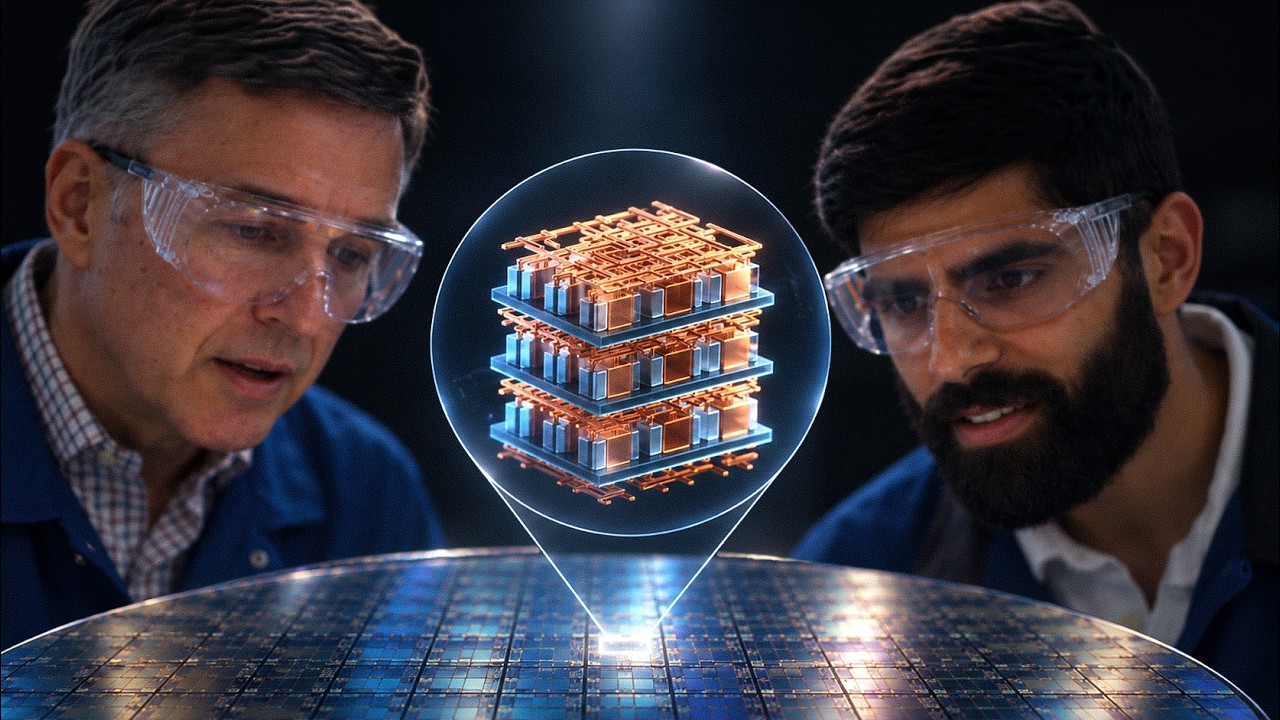
Intel's leadership walks through how advanced process nodes are brought to volume, from yield learning and the lessons of 10nm to the shift from planar transistors to gate-all-around, High-NA EUV, backside power, and CFET. The discussion widens to the chip-to-chip bottleneck that hybrid bonding targets, the supply limits on EUV tooling as AI compute demand grows, and the economics that make foundry scale decisive.

Former Intel CEO: Why This is the Best Time to Build Hardware

Former Intel CEO: Why This is the Best Time to Build Hardware

Pat Gelsinger joins a16z's Raghu Raghuram and Guido Appenzeller to discuss how AI is reshaping chip design, why design speed alone will not fix semiconductor bottlenecks, and why power and energy capacity may ultimately limit AI growth. The conversation covers HBM and memory innovation, stacking limits, the shift from copper to optics, consolidation among AI chip startups, and what a VMware for AI agents might look like.

Built Together: Inside the Dell + CoreWeave Engineering Partnership Powering Next-Gen AI

Built Together: Inside the Dell + CoreWeave Engineering Partnership Powering Next-Gen AI

A candid panel between Dell and CoreWeave leaders on co-engineering GB200, GB300, and Vera Rubin rack-scale AI platforms. The discussion covers why early access and stabilization matter in the AI arms race, how the industry moved from server-level to rack-as-computer architecture, and how joint development, standardized Redfish tooling, and shifting diagnostics left have enabled scale. It closes with where rack-scale infrastructure is heading toward pods, denser heterogeneous systems, and the need for automation in liquid cooling and power.

Move Fast and Don't Break Things: Scaling Databases for the AI Era — PlanetScale

Move Fast and Don't Break Things: Scaling Databases for the AI Era — PlanetScale

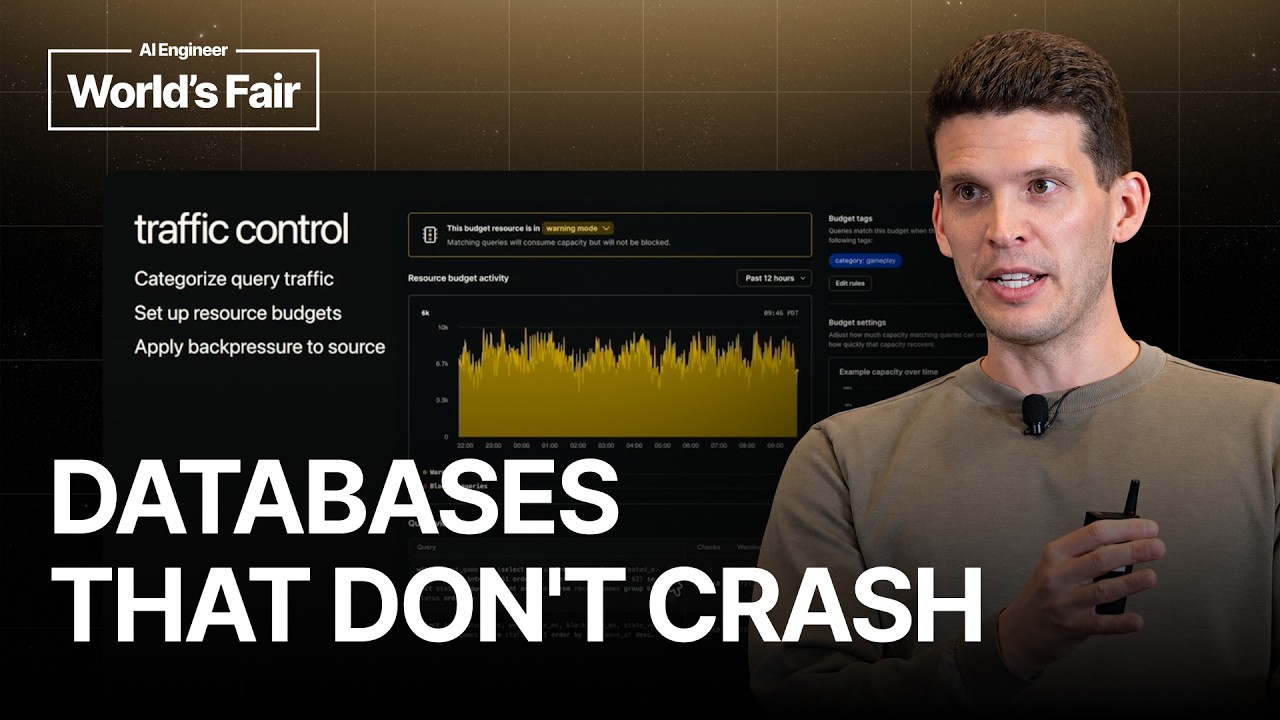
Ben Dicken of PlanetScale argues that teams can move fast without breaking production, combining isolation, redundancy, sharding, back pressure, and decoupling with AI agent workflows such as VSchema-driven sharding, Traffic Control budgets, schema branching, and one-click reverts. His core claim is that good developer experience produces good primitives for AI.

Why One Internet Pioneer Thinks the Original Model Broke

Why One Internet Pioneer Thinks the Original Model Broke

Barrett Lyon, founder of DoxxNet, explains why he believes the internet's protocols are due for another wave of experimentation and why traditional VPNs only address part of the privacy problem. He describes a mesh network where users communicate peer-to-peer without central servers, the company's owned infrastructure and locally run AI, and the growing threat of ad tracking combined with AI aggregation. The conversation also covers lessons from DDoS defense, internet mapping, and a career spanning networking and art.

How to Spot Exceptional Talent Before Everyone Else

How to Spot Exceptional Talent Before Everyone Else

This episode introduces Cosign, a new platform designed to formalize professional reputation and endorsements within the startup community. It explores how human conviction and "cosigns" from respected individuals provide more valuable signals than traditional credentials, especially as AI makes information abundant. The discussion covers the platform's granular approach to endorsements, its aim to address the limitations of existing professional networks like LinkedIn and X, and its role in fostering talent discovery and social capital within Silicon Valley's meritocratic ecosystem.