Ml

Real-time Feature Generation at Lyft // Rakesh Kumar // MLOps Podcast #334

Real-time Feature Generation at Lyft // Rakesh Kumar // MLOps Podcast #334

Rakesh Kumar from Lyft details the evolution of their real-time feature generation platform, from cron jobs to a sophisticated streaming architecture using Apache Beam and Flink. Key discussions include solving the 'hot shard' problem with geohashes, building a custom geospatial feature store, and optimizing pipelines with YAML-based configurations.
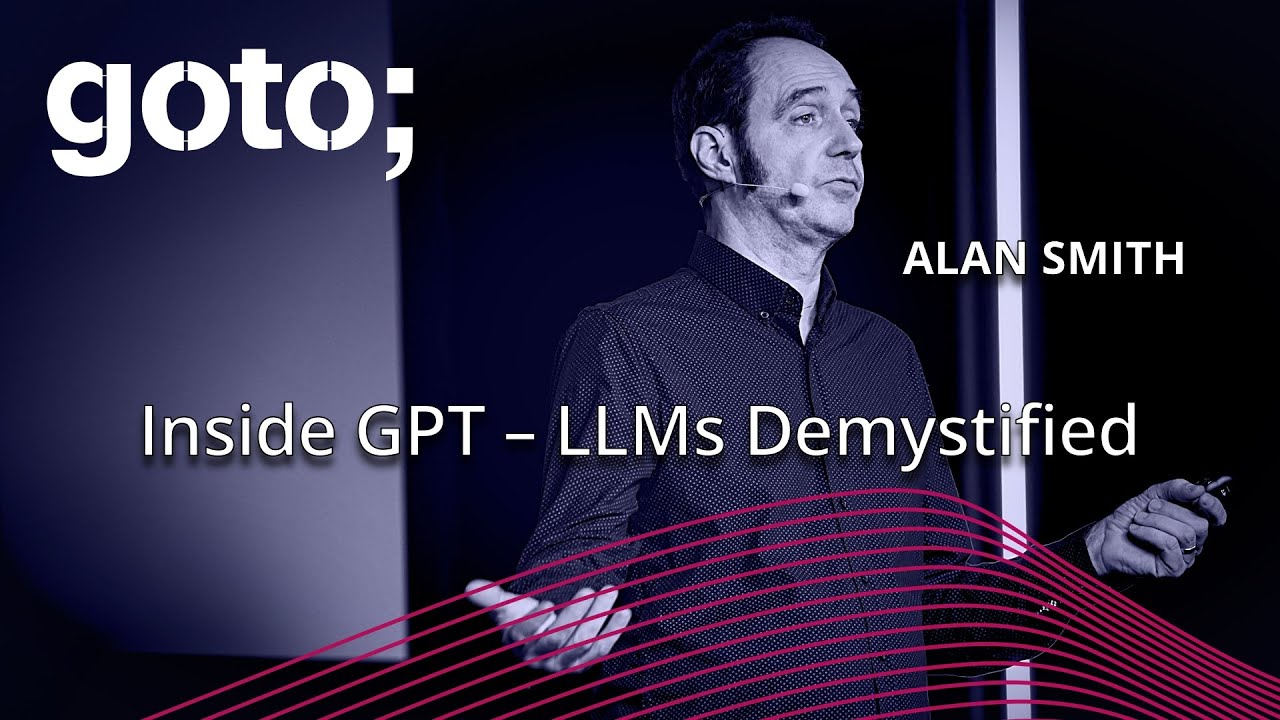
Inside GPT – The Maths Behind the Magic • Alan Smith • GOTO 2024

Inside GPT – The Maths Behind the Magic • Alan Smith • GOTO 2024

A deep dive into the internal workings of Large Language Models like GPT, explaining the journey from a text prompt through tokenization, embeddings, and the attention mechanism to generate a response.

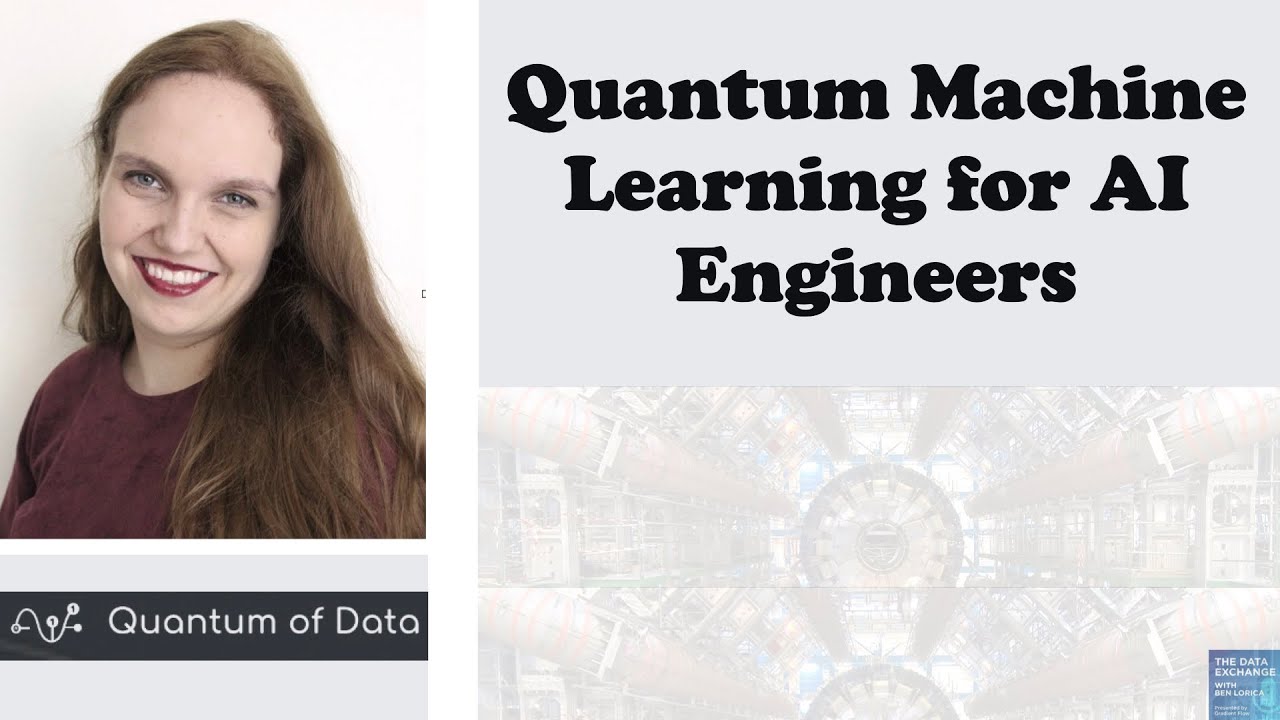
The Quantum Advantage Is Real—But Where's the Infrastructure?

The Quantum Advantage Is Real—But Where's the Infrastructure?

While general-purpose quantum computers are a decade away, specialized quantum accelerators are already tackling high-speed inference for AI problems in finance and pharma. This summary explores the practical use cases, the immense data ops and MLOps challenges due to the 'no-cloning theorem,' and the need for a new modeling paradigm based on topological data analysis.

907: Neuroscience, AI and the Limitations of LLMs — with Dr. Zohar Bronfman

907: Neuroscience, AI and the Limitations of LLMs — with Dr. Zohar Bronfman

Zohar Bronfman discusses why current LLMs are not on a path to AGI, contrasting their combinatorial creativity with the transformational, domain-general intelligence of humans. He argues that predictive models, not generative ones, deliver the most business value and explains how his platform, Pecan AI, automates the critical data preparation bottleneck to democratize predictive analytics for all businesses.

Intern talk: Distilling Self-Supervised-Learning-Based Speech Quality Assessment into Compact Models

Intern talk: Distilling Self-Supervised-Learning-Based Speech Quality Assessment into Compact Models

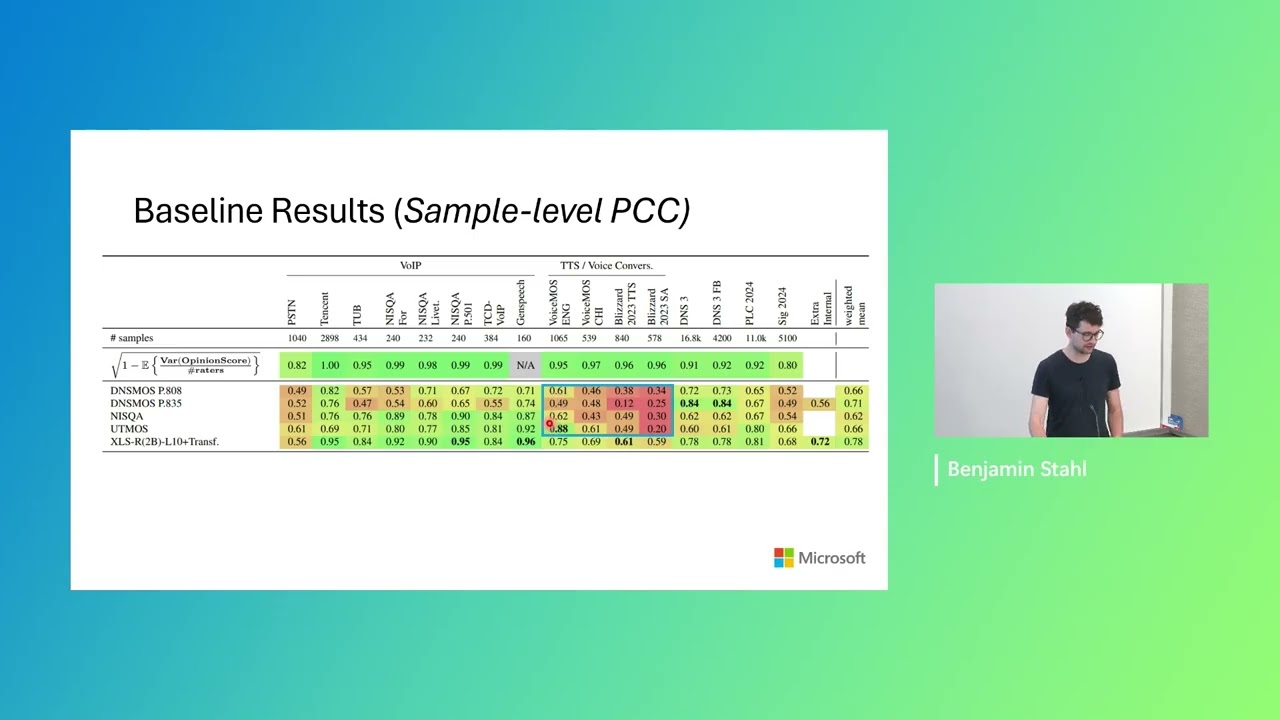
This research explores the distillation and pruning of large, self-supervised speech quality assessment models into compact and efficient versions. Starting with the high-performing but large XLSR-SQA model, the work details a process of knowledge distillation using a teacher-student framework with a diverse, on-the-fly generated dataset. The resulting compact models successfully close over half the performance gap to the teacher, making them suitable for on-device and production applications where model size is a critical constraint.

How DeepL Built a Translation Powerhouse with AI with CEO Jarek Kutylowski

How DeepL Built a Translation Powerhouse with AI with CEO Jarek Kutylowski

Jarek Kutylowski, CEO of DeepL, discusses the company's technical strategy for competing with large language models in the translation space. He covers their focus on specialized model architectures, the critical role of curated data, the engineering challenges of building custom GPU data centers and large-scale inference systems, and the future of AI-driven translation in enterprise workflows.