Computer science

Latch-Free Index Trees That Scale: Avoiding Thread Switches & Stalls

Latch-Free Index Trees That Scale: Avoiding Thread Switches & Stalls

David Lomet presents latch-free notices as a way to make index trees scale under high contention. Notices let contending threads elect a single winner early, so that the expensive work of consolidating pages, splitting nodes, and merging nodes is done once rather than redundantly, while the notice also guards the state being replaced and routes concurrent updates. The talk covers latch-free basics with CAS, the cost of delta chains, and detailed walkthroughs of consolidation, splits, and merges in the Bw-tree.
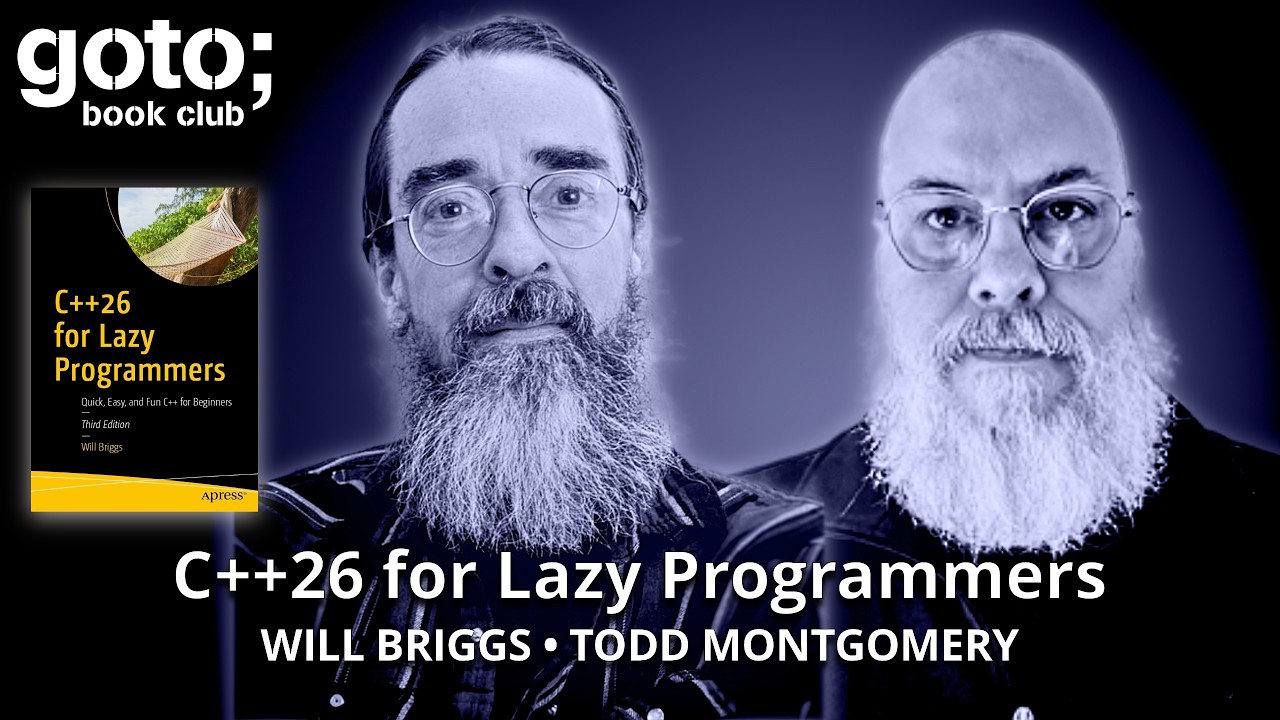
C++26 for Lazy Programmers • Will Briggs & Todd Montgomery • GOTO 2026

C++26 for Lazy Programmers • Will Briggs & Todd Montgomery • GOTO 2026

Will Briggs and Todd L. Montgomery discuss the impact of AI on programming careers and language learning, the pedagogical approach of Briggs' book "C++26 for Lazy Programmers," and the evolving landscape of C++. They explore how AI requires deeper code fluency, Briggs' method for teaching complex C++ concepts like pointers, and his critiques of C++'s feature proliferation. The conversation concludes with a strong argument for C++'s enduring relevance as a foundational language for aspiring developers.

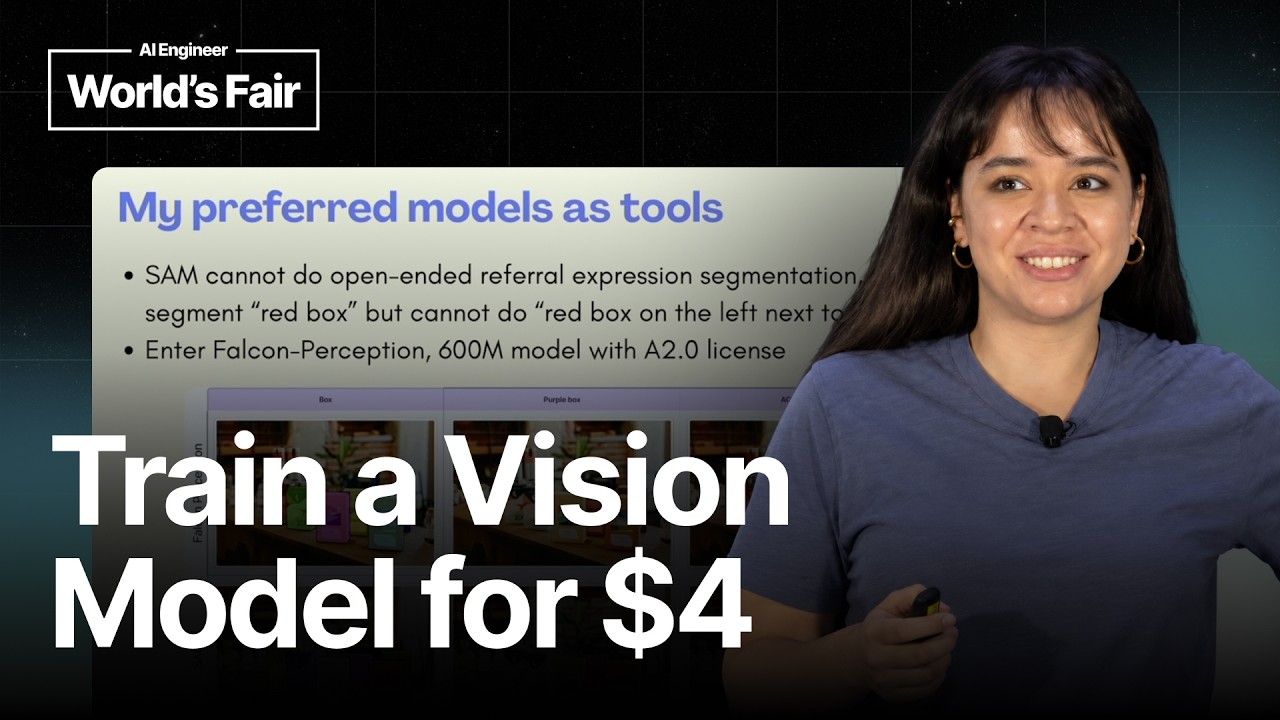
Skill issue: stop deploying vision language models, use them with Skills — Merve Noyan, Hugging Face

Skill issue: stop deploying vision language models, use them with Skills — Merve Noyan, Hugging Face

Merve Noyan discusses the pitfalls of directly using large Vision Language Models (VLMs) at runtime due to performance limitations and restrictive licensing. She introduces "Web Vision," a toolkit that enables efficient training of smaller, task-specific computer vision models using a novel "vibe training" methodology. This approach leverages VLMs for initial labeling and judgment, followed by training efficient models like RF-DETR, all while adhering to Apache 2.0 licenses and costing only a few dollars.

Analyzing Group Chat Encryption in Messaging Applications

Analyzing Group Chat Encryption in Messaging Applications

This talk details a formal security analysis of group chat encryption algorithms in popular messaging applications like MLS, Session, and Keybase. It introduces Symmetric Sign Encryption (SSE) to model these protocols, identifying critical vulnerabilities such as insider replay and reordering attacks in MLS and Session due to insufficient context binding. The analysis highlights the complexities of key-dependent messages and key reuse, demonstrating how formal methods can pinpoint subtle design flaws and suggest robust mitigations for real-world secure communication.

Haechi: Simple Commitment-based Keyless In-person Verifiable Elections

Haechi: Simple Commitment-based Keyless In-person Verifiable Elections

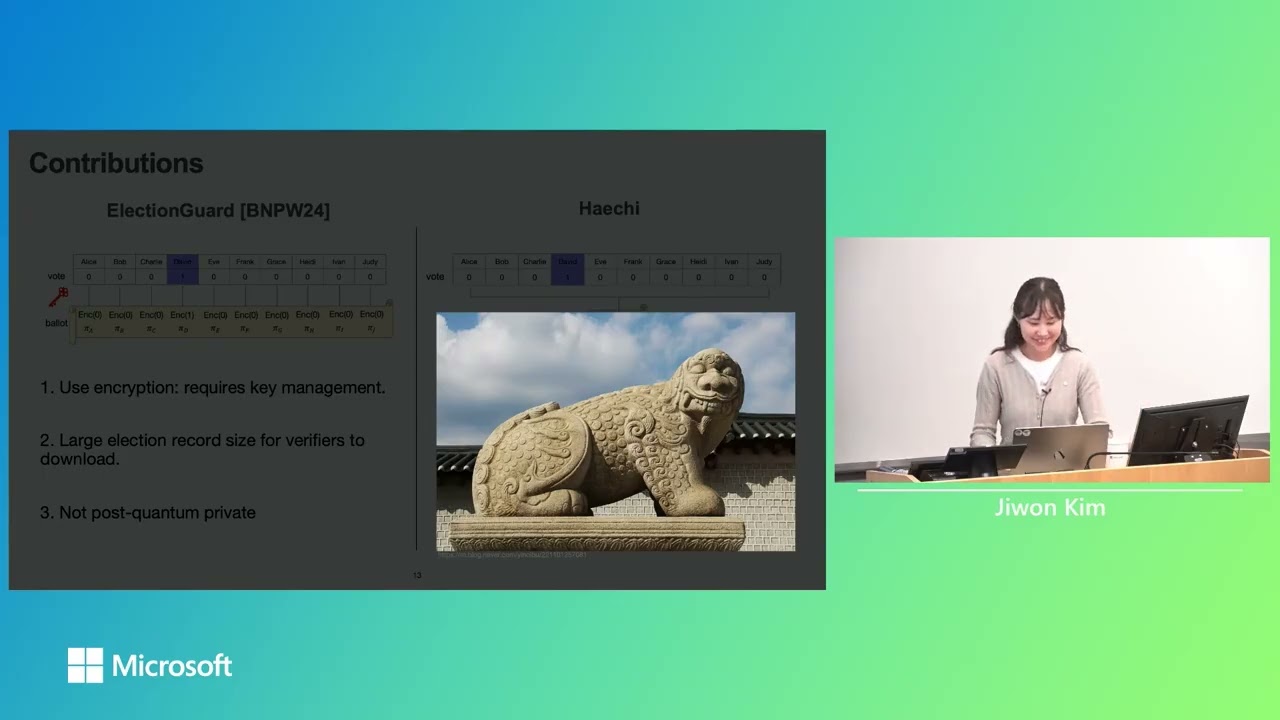
Haechi introduces a novel, keyless, and commitment-based system for in-person verifiable elections, addressing the limitations of encryption-based approaches like ElectionGuard. By leveraging Peterson vector commitments and compact zero-knowledge proofs, Haechi ensures post-quantum ballot privacy, eliminates complex key management, and significantly reduces election record sizes, making E2E verifiable elections practical and scalable.

WebAssembly on Kubernetes • Nicolas Frankel • YOW! 2025

WebAssembly on Kubernetes • Nicolas Frankel • YOW! 2025

Nicolas Fränkel explores the evolution of WebAssembly (Wasm) beyond its web origins, showcasing its potential to revolutionize application deployment on Kubernetes. The talk demonstrates how Wasm enables incredibly small container sizes (down to 2MB for an HTTP server) by integrating specific Wasm runtimes with Kubernetes' extensible architecture. However, Fränkel also provides a candid assessment of the ecosystem's rapid, often unstable, development, recommending Wasm on Kubernetes for agile startups seeking competitive advantage but cautioning traditional enterprises due to the inherent risks and maintenance challenges.