Ai

Why You Should Care About Observability in LLM Workflows

Why You Should Care About Observability in LLM Workflows

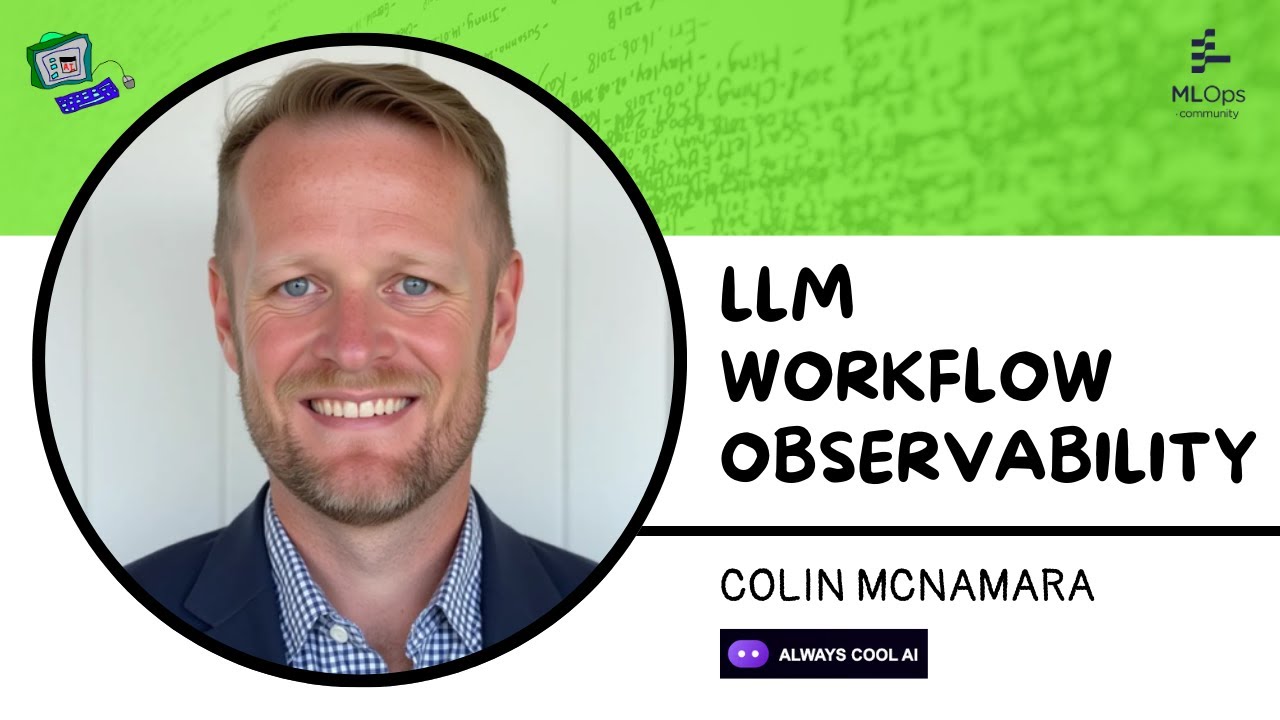
An inside look at AlwaysCool.ai's journey from simple GPT wrappers to a production-ready agentic infrastructure. This talk covers the evolution from synchronous tools to asynchronous, multi-step flows orchestrated by LangGraph, the critical role of OpenTelemetry for compliance and observability, and the architectural patterns of using FastAPI to serve centralized AI agents.

29.4% ARC-AGI-2 🤯 (TOP SCORE!) - Jeremy Berman

29.4% ARC-AGI-2 🤯 (TOP SCORE!) - Jeremy Berman

Jeremy Berman, winner of the ARC-AGI v2 public leaderboard, discusses his novel evolutionary approach that refines natural language descriptions instead of code. He explores the idea of building AI that synthesizes new knowledge by constructing deductive "knowledge trees" rather than merely compressing data into "knowledge webs," touching on the fundamental challenges of reasoning, continual learning, and creativity in current models.

How to Optimize AI Agents in Production

How to Optimize AI Agents in Production

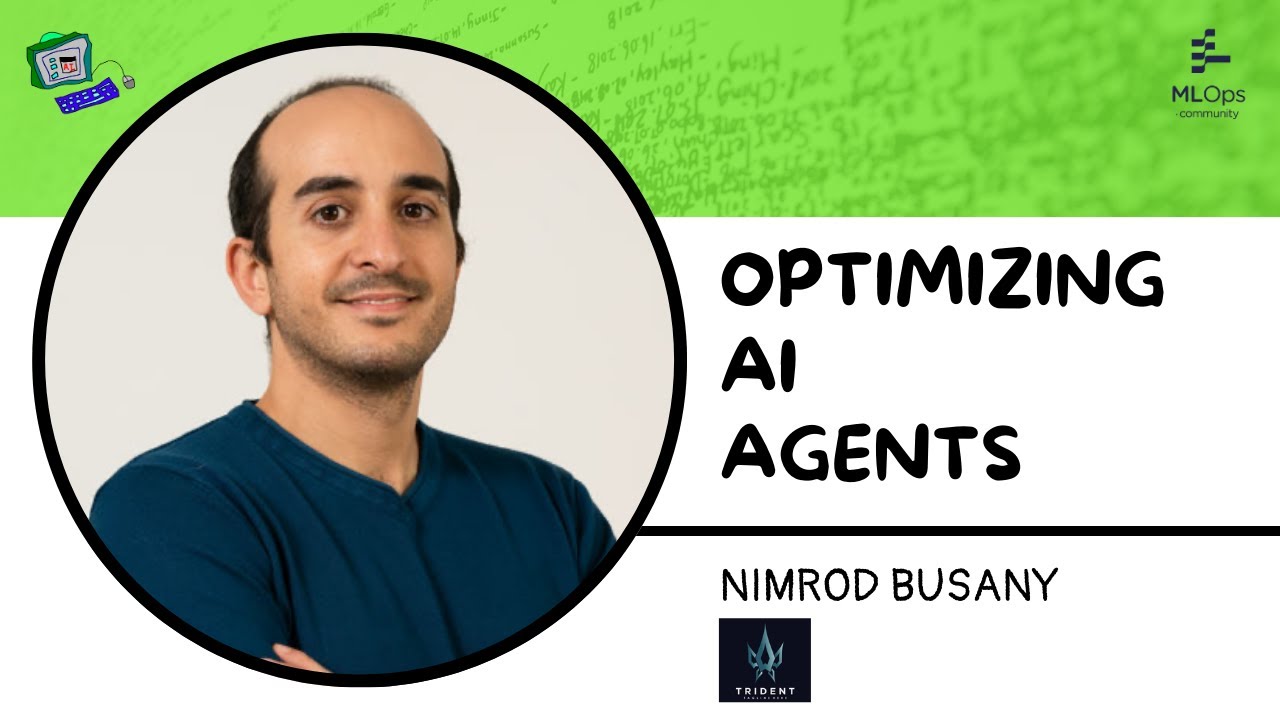
Engineers building AI agents face a combinatorial explosion of configuration choices (prompts, models, parameters), leading to guesswork and suboptimal results. This talk introduces a structured, data-driven approach using multi-objective optimization to systematically explore this vast design space. Learn how the Traigent SDK helps engineers efficiently identify optimal tradeoffs between cost, latency, and accuracy, yielding significant quality improvements and cost reductions without manual trial-and-error.

Evaluating AI Agents: Why It Matters and How We Do It

Evaluating AI Agents: Why It Matters and How We Do It

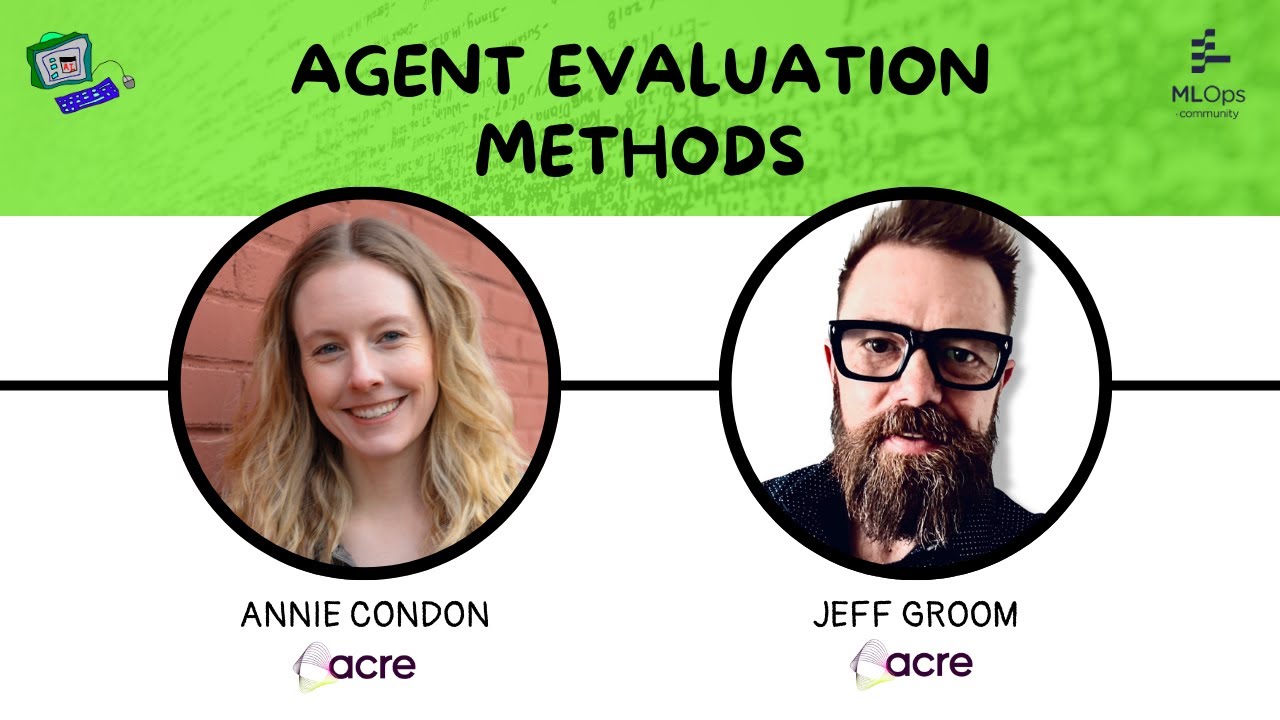
Annie Condon and Jeff Groom from Acre Security detail their practical approach to robustly evaluating non-deterministic AI agents. They share their philosophy that evaluations are critical for quality, introduce their "X-ray machine" analogy for observability, and walk through their evaluation stack, including versioning strategies and the use of tools like Logfire for tracing and Confident AI (Deep Evals) for systematic metric tracking.

Designing Claude Code

Designing Claude Code

Anthropic’s Meaghan Choi and Alex Albert explore the design philosophy behind Claude Code, discussing its terminal-first approach, the evolution of developer workflows in the age of LLMs, and how agentic coding empowers both engineers and designers.

Richard Sutton – Father of RL thinks LLMs are a dead end

Richard Sutton – Father of RL thinks LLMs are a dead end

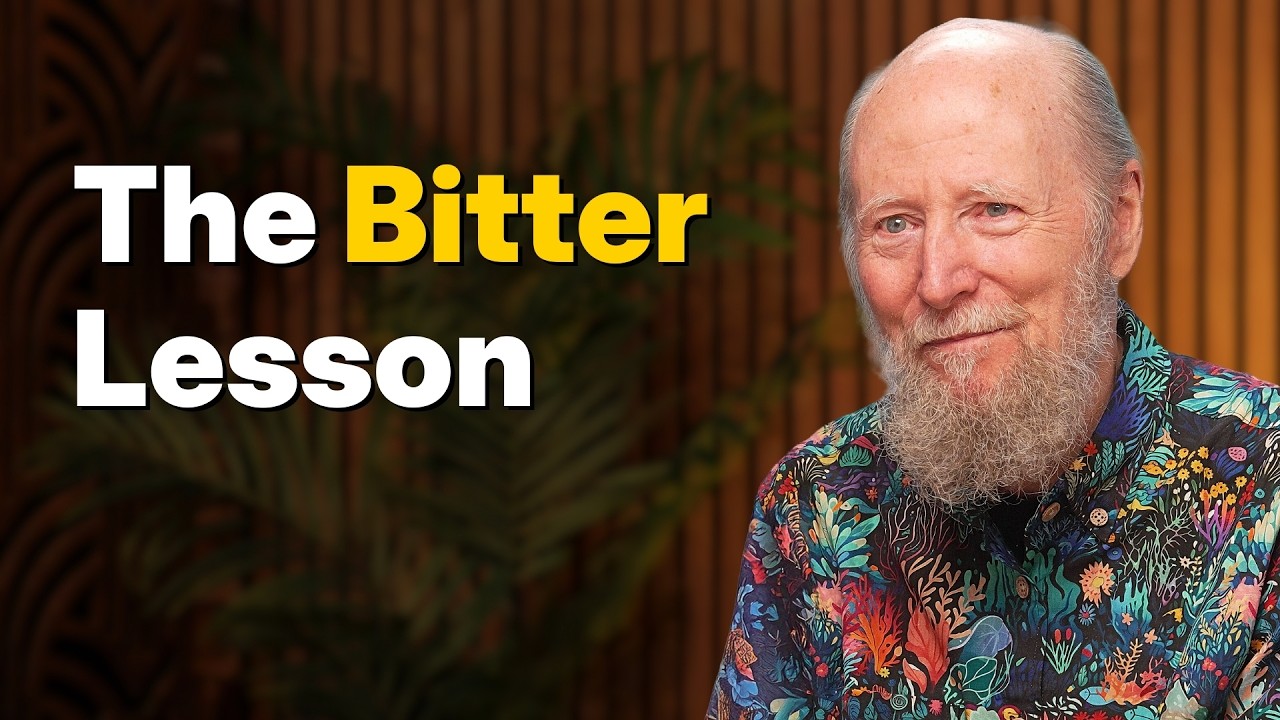
Richard Sutton, a foundational figure in reinforcement learning, argues that Large Language Models (LLMs) are a flawed paradigm for achieving true intelligence. He posits that LLMs are mimics of human-generated text, lacking genuine goals, world models, and the ability to learn continually from experience. Sutton advocates for a return to the principles of reinforcement learning, where an agent learns from the consequences of its actions in the real world, a method he believes is truly scalable and fundamental to all animal and human intelligence.