Ai

From Chat Fatigue to Instant Action // Donné Stevenson

From Chat Fatigue to Instant Action // Donné Stevenson

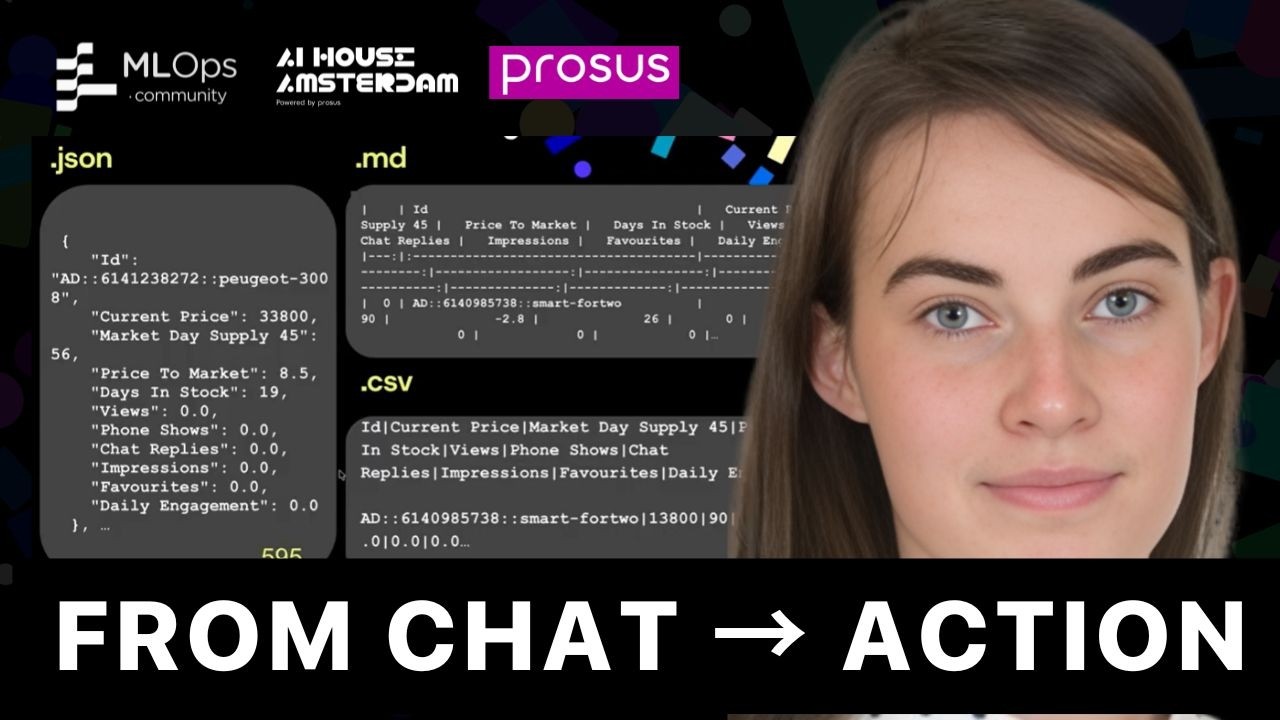
A discussion on the evolution of AI agent interaction, moving beyond simple text-based chat to create intuitive, GUI-driven experiences. The talk covers the practical challenges and solutions in building an impactful agent for busy professionals, focusing on quick actions, efficient data streaming, and enhanced interactivity.
Context Engineering 2.0: MCP, Agentic RAG & Memory // Simba Khadder

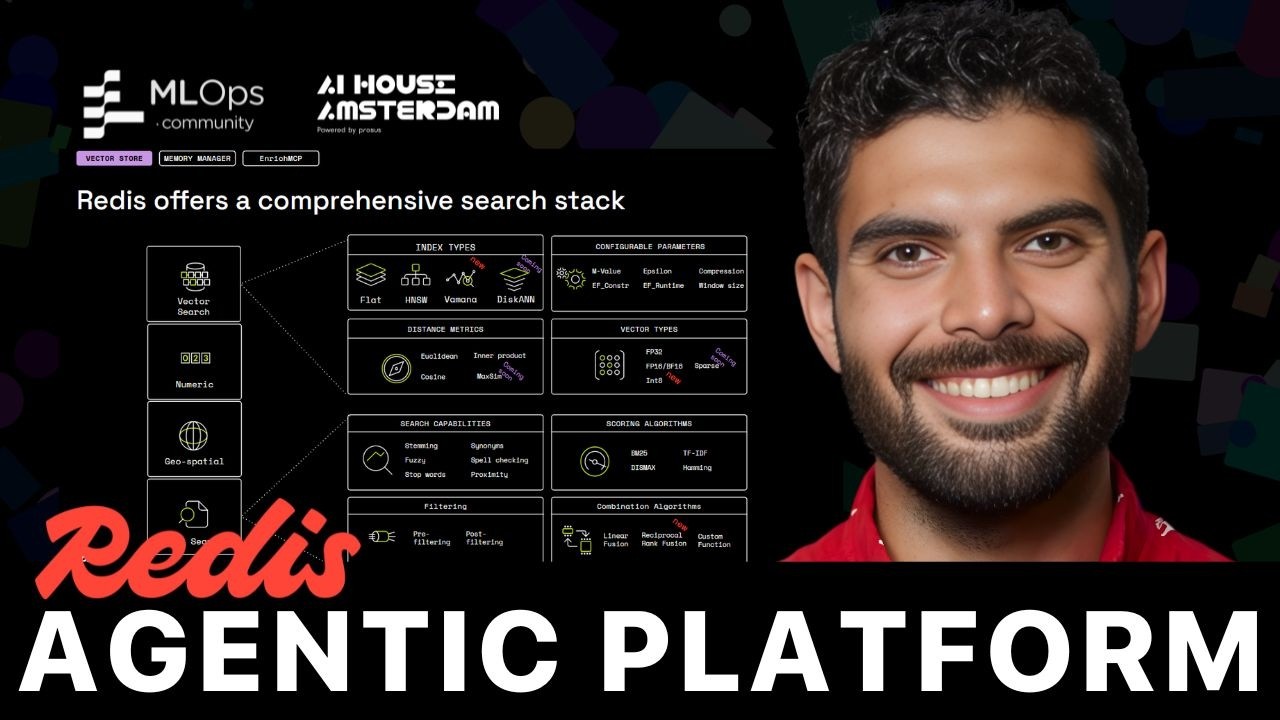
Context Engineering 2.0: MCP, Agentic RAG & Memory // Simba Khadder

Simba Khadder of Redis introduces Context Engineering 2.0, a new paradigm for AI agents that unifies structured data, unstructured data (RAG), and memory into a single, schema-driven surface. He critiques current methods like Text-to-SQL and direct API wrapping, proposing a unified context engine to provide reliable, observable, and performant data access for agents.

Enterprise-ready MCP // Jiquan Ngiam

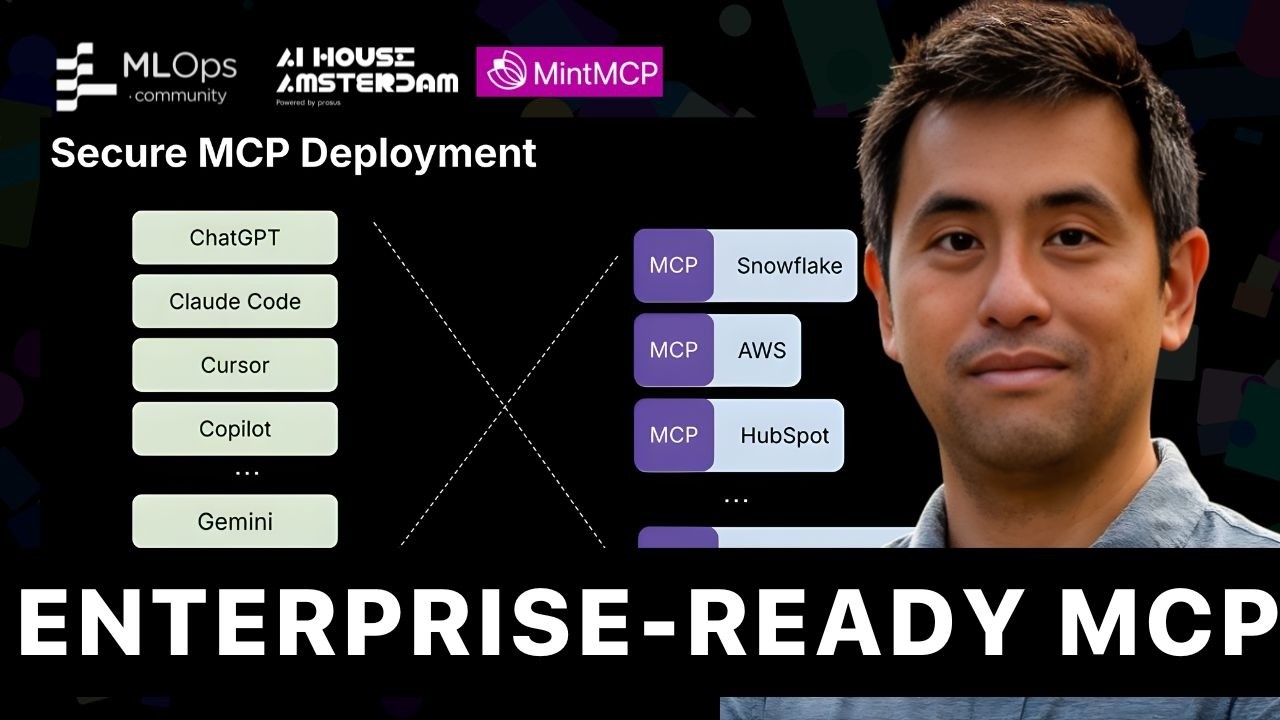
Enterprise-ready MCP // Jiquan Ngiam

Jiquan Ngiam, CEO of MintMCP, discusses the paradigm shift from static programs to dynamic AI agents, outlining the significant security risks involved—supply chain vulnerabilities, third-party data poisoning, and inadvertent agent behaviors—and presents a three-pronged strategy for enterprise readiness: comprehensive monitoring, preventative guardrails, and secure, role-based deployment of Model Context Protocols (MCPs).

Open vs Closed Source Agent Infra?

Open vs Closed Source Agent Infra?

This panel delves into the strategic implementation of open-source, community-driven agentic stacks, balancing the benefits of open-source frameworks and models for rapid iteration, cost-efficiency, and compliance against the complexities of abstraction and debugging in production environments. Experts from NVIDIA, Stacklok, and Prosus discuss when to adopt open source, challenges in framework choice, the critical need for robust observability, and the role of no-code solutions for diverse user groups, emphasizing the importance of aligning tooling decisions with specific use cases and organizational needs.

How A Team Of 7 Keeps Breaking AI Benchmark Records

How A Team Of 7 Keeps Breaking AI Benchmark Records

Poetiq, a startup by former DeepMind researchers, has developed a recursive self-improvement meta-system that builds "reasoning harnesses" on top of existing LLMs. This approach avoids the costly "fine-tuning trap" and has achieved state-of-the-art results on benchmarks like ARC-AGI and Humanity's Last Exam by automatically optimizing prompts and discovering novel reasoning strategies.

A Playground for AI Engineers

A Playground for AI Engineers

Paulo Vasconcellos from Hotmart details their journey of building "Agent as a Product", explaining how they blend classic ML models with LLMs for efficiency, evolve their MLOps platform for the generative AI era, and create real business value through AI-powered tutors and sales agents.