Zero trust

Beyond phishing: Cyber threats in the age of AI with Four Flynn (pt. 1)

Beyond phishing: Cyber threats in the age of AI with Four Flynn (pt. 1)

VP of Security and Privacy at Google DeepMind, Four Flynn, discusses the landmark 'Operation Aurora' cyberattack, the 'defender's dilemma,' and how AI is now being used both to create novel threats and to build a new generation of defenses to find and automatically patch software vulnerabilities.
How to scam an AI agent, DDoS attack trends and busting cybersecurity myths

How to scam an AI agent, DDoS attack trends and busting cybersecurity myths

A discussion on novel methods for hijacking AI agents through social engineering, the evolution of DDoS attacks, the legacy of Zero Trust, and the glaring security flaws in AI training data apps.

Zero-Click Attacks: AI Agents and the Next Cybersecurity Challenge

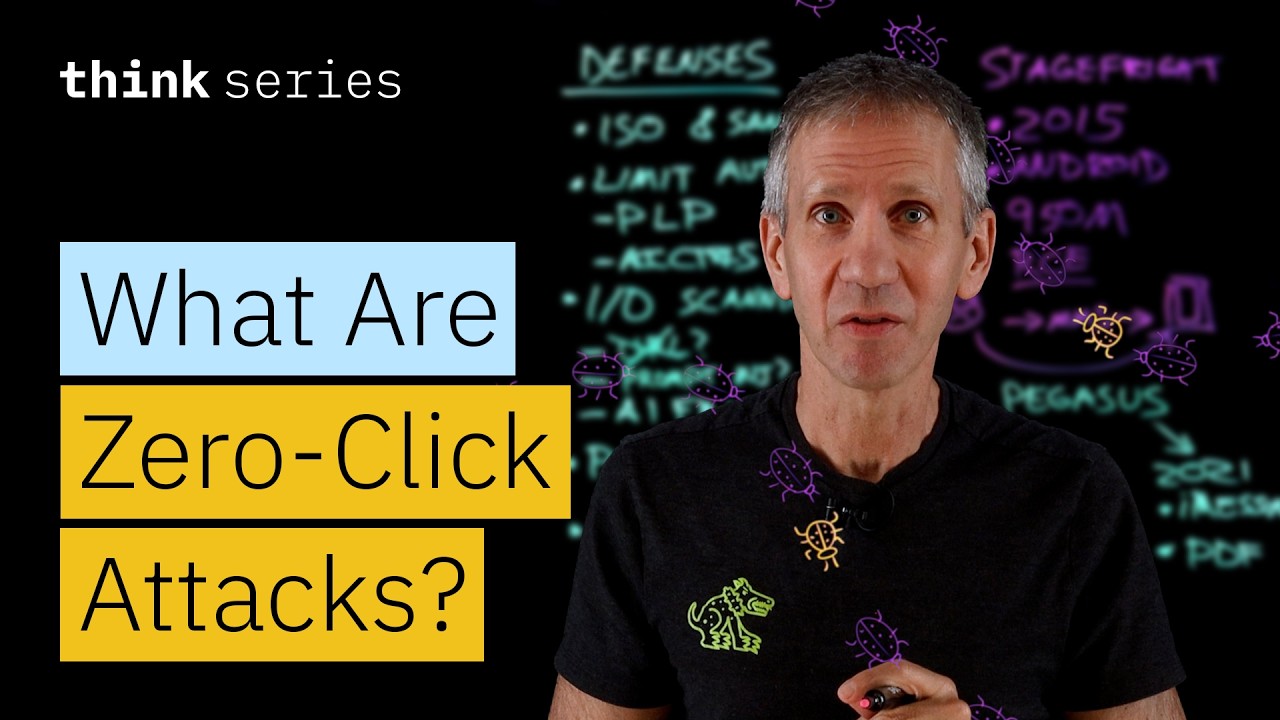
Zero-Click Attacks: AI Agents and the Next Cybersecurity Challenge

Explores the mechanics of zero-click attacks, which require no user interaction, and details how the integration of autonomous AI agents can amplify these threats. The summary covers historical examples like Pegasus and proposes a multi-layered defense strategy, including AI firewalls, the principle of least privilege, and a zero-trust architecture.

Zero Trust for Multi-Agent Systems // Surendra Narang | Venkata Gopi Kolla

Zero Trust for Multi-Agent Systems // Surendra Narang | Venkata Gopi Kolla

Explore the security challenges of Multi-Agent Systems (MAS) and learn how to apply Zero Trust principles to mitigate risks like prompt injection, privilege escalation, and data leakage. This summary details a reference architecture and practical strategies for building secure, autonomous systems.

Identity Fabric: How AI Enhances IAM & Modern Cybersecurity

Identity Fabric: How AI Enhances IAM & Modern Cybersecurity

Bob Kalka from IBM and Tyler Lynch from HashiCorp discuss the critical disconnect between managing human and non-human identities, which contributes to 80% of all cyberattacks. They introduce the concept of an 'Identity Fabric'—an AI-augmented approach to unify existing tools—and outline six key use cases and a three-phase strategy to address modern identity and access management (IAM) challenges.